Africa Could See 146 Million More Malaria Cases if Funding Falls 30%
Pan-African · HEALTH
Key Facts
- —The country Sub-Saharan Africa, the malaria belt, has 1.29 billion people and output of about US$2 trillion, less than Italy’s (World Bank, 2024). Nigeria and DR Congo carry over 43% of the region’s malaria deaths.
- —Why it matters Malaria, spread by mosquitoes, kills mostly young children. African Union (AU) member states had 270.8 million cases and 594,119 deaths in 2024, 96% and 97% of the world total.
- —Why now Health aid to Africa has fallen about 70% since 2021. The Global Fund, the biggest donor pool against malaria, raised US$12.64 billion against an US$18 billion target.
- —What happened On Friday 25 September, the African Leaders Malaria Alliance (ALMA) repeated at a UN General Assembly side event that a 30% funding cut could add 146 million cases by 2030.
- —The numbers The model, by ALMA and the charity Malaria No More UK, also projects 397,000 extra deaths, three-quarters of them children under five, and US$37 billion in lost output.
- —What it means for you Travellers should keep taking anti-malaria tablets and nets seriously. Resurgence has already hit places that were nearly clear, such as Botswana. Employers face more sick days and health costs.
- —Still open Whether the World Bank backs a new Malaria Booster Programme in its next funding round for the poorest countries, and whether African budgets rise fast enough to fill the gap.
A 30% malaria funding cut could bring 146 million extra cases and 397,000 extra deaths to Africa by 2030. African leaders repeated the warning at the UN General Assembly on Friday.
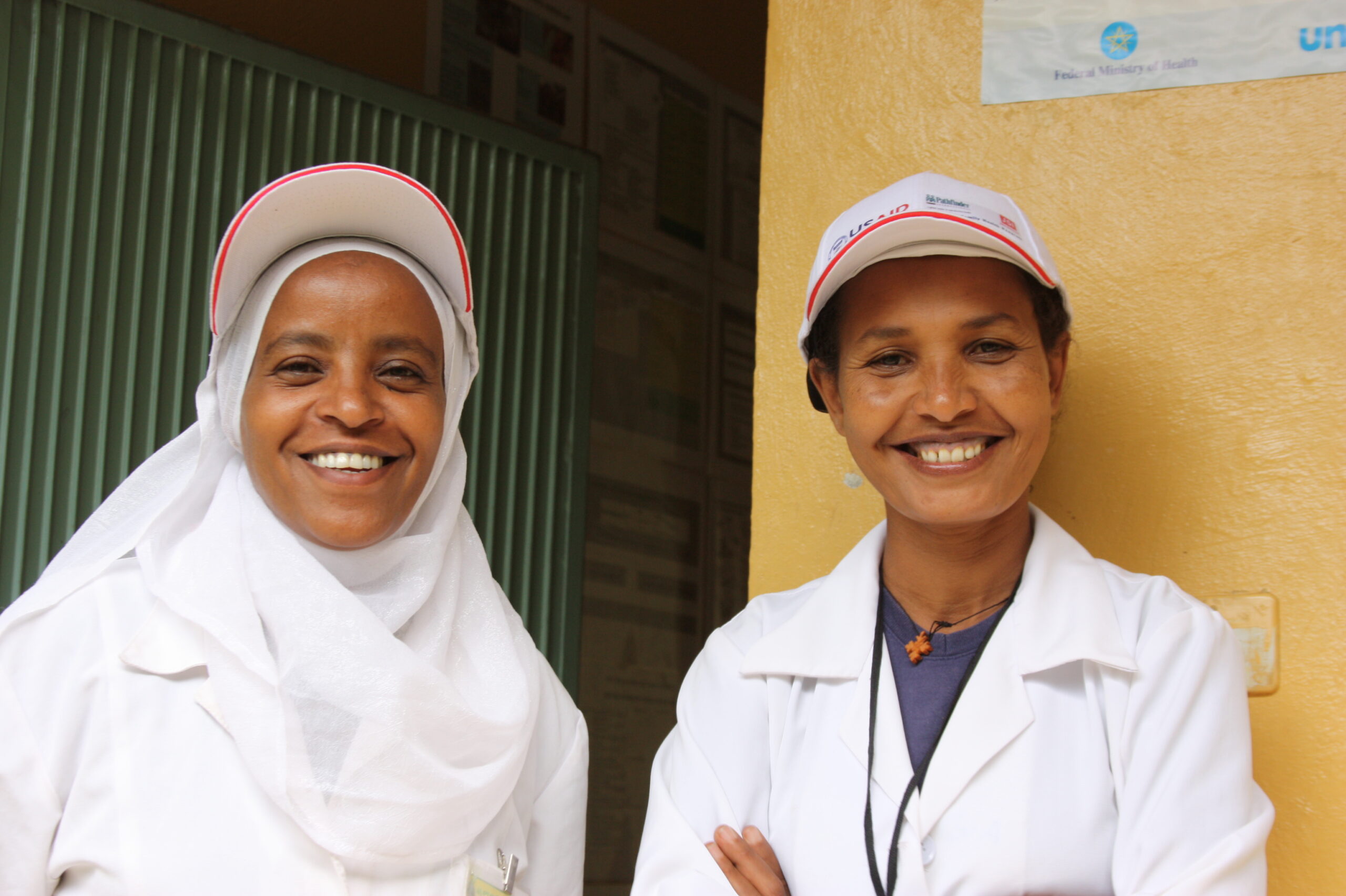
Africa carries almost all of the world’s malaria. The disease is spread by mosquitoes and kills mostly children under five.
The African Leaders Malaria Alliance (ALMA) groups the continent’s heads of state against the disease. Its chair is Duma Gideon Boko, the president of Botswana.
A warning repeated in New York
On Friday 25 September, Boko hosted a side event on malaria financing during the 81st UN General Assembly. The African Union Commission and the RBM Partnership to End Malaria, a global coalition, co-hosted it.
ALMA said there that a 30% cut in malaria financing could cause 146 million extra cases in Africa by 2030. The Nigerian news agency NAN followed the event by webinar.
The figure is not new. It first appeared in the African Union Malaria Progress Report 2025, launched in Addis Ababa on 14 February 2026.
The modelling behind it was done by ALMA and Malaria No More UK, a British charity. It also projects 397,000 extra deaths, three-quarters of them children under five.
The same scenario means 640 million fewer insecticide-treated bed nets and a loss of US$37 billion in economic output by 2030. Boko cited the model again in a Guardian opinion piece on 22 September.
How big the problem already is
African Union member states recorded 270.8 million malaria cases and 594,119 deaths in 2024, according to the ALMA report. That was 96% of the world’s cases and 97% of its deaths.
The World Health Organization (WHO) counts slightly differently, by its own African Region. It puts that region at 265 million cases and 579,000 deaths in 2024.
The burden is concentrated. Nigeria alone had 31.9% of the region’s malaria deaths, the Democratic Republic of Congo 11.7% and Niger 6.1%.
Progress has stalled since 2015, ALMA says. Only five member states hit the 2025 targets for cutting malaria cases or deaths by 75%.
Why a malaria funding cut is already under way
Health aid to Africa has fallen by about 70% since 2021, according to the Africa Centres for Disease Control and Prevention. Boko cited that figure in his Guardian piece.
The Global Fund to Fight AIDS, Tuberculosis and Malaria is the largest outside funder of malaria programmes. Its latest replenishment raised US$12.64 billion against a target of US$18 billion, the fund’s board confirmed in February.
As a direct result, allocations to countries have been reduced, Boko wrote. Gavi, the vaccine alliance, also fell short of its fundraising target, leaders said at the event.
Other pressures are rising at the same time. Mosquitoes are becoming resistant to common insecticides, and partial drug resistance is confirmed or suspected in eight African countries.
What a comeback looks like
Botswana shows how fast a malaria funding cut can bite. The country recorded just 290 cases and one death in 2024, Boko wrote, in line with ALMA’s country data.
In the first 23 weeks of 2025 it recorded 2,223 cases and 11 deaths, the Africa Centres for Disease Control and Prevention reported. Neighbouring Namibia had more than 95,000 cases in 2025 and Zimbabwe more than 156,000, according to government figures he cited.
“When investment is sustained, malaria retreats. When financing falls, it returns,” said Tedros Adhanom Ghebreyesus, director-general of the WHO, at Friday’s event.
Who should pay
The leaders urged African governments to write malaria spending into national budgets and development plans. They asked donors for predictable support while countries make that shift.
Muhammad Jallow, vice-president of The Gambia, warned that home budgets cannot do it alone. “Domestic financing alone can not sustain the level of investment required to reach elimination,” he said.
The main ask is aimed at the World Bank. Leaders want a dedicated Malaria Booster Programme under IDA22, the next round of its fund for the poorest countries.
A first programme, running from 2005 to 2010, committed more than US$1 billion. In Zambia, malaria cases among children under five fell by 29% and deaths by a third.
Some countries are already paying more. Benin raised its malaria budget from US$1.7 million to US$6.3 million in the three years to 2025, according to Boko.
So-called End Malaria Councils, which pool money from business and philanthropy, now operate in 14 countries. They have raised more than US$245 million, ALMA said at the event.
What it means for visitors and investors
For travellers, the lesson is simple. Areas once close to clearing malaria can see it return within a season, so preventive tablets and nets still matter.
For employers and investors, malaria means sick days, lost school time and higher health spending. The ALMA model puts the price of a 30% cut at US$37 billion in lost output by 2030.
The debate also forms part of a wider shift in Africa’s ties with outside partners, covered in Africa: The New Scramble.
What to watch next
The key test is the IDA22 negotiations at the World Bank. Zarau Wendeline Kibwe, who represents a group of African countries on the bank’s board, said malaria should stay a priority.
The other test is national budgets for 2027. If they do not rise, and aid keeps falling, the modelled 146 million extra cases stop being a scenario.
Frequently Asked Questions
How many extra malaria cases could a 30% funding cut cause?
Modelling by ALMA and Malaria No More UK projects 146 million extra cases and 397,000 extra deaths by 2030. Three-quarters of those deaths would be children under five.
Where does the 146 million figure come from?
It was first published in the African Union Malaria Progress Report 2025, launched in February 2026. ALMA repeated it at a UN General Assembly side event on 25 September 2026.
Which countries carry the biggest malaria burden?
Nigeria accounted for 31.9% of malaria deaths in the WHO African Region in 2024. The Democratic Republic of Congo accounted for 11.7% and Niger for 6.1%, according to the World Health Organization.
What are African leaders asking for?
They want governments to put malaria into national budgets and donors to give predictable support during the shift. They also ask the World Bank for a new Malaria Booster Programme.
Connected Coverage
Sources
- premiumtimesng.com
- theguardian.com
- alma2030.org
- who.int
- data.worldbank.org
- theglobalfund.org
- africacdc.org
- ALMA release (prnewswire.com)
This article was produced by The Rio Times’ automated newsroom system. How we use AI · Report an error
LatAm Markets: Live Signals → — real-time movers, turnover leaders and FX across Latin America.
Read More from The Rio Times