Airtel Closes Kenyan Fibre Arm That Never Made a Sale
KENYA · TELECOMS
Key Facts
- —What happened Airtel is closing Airtel Kenya Telesonic, the Kenyan arm of its wholesale internet and fibre business.
- —What is wholesale internet Selling network capacity to other operators rather than to households. The customers are companies, not people.
- —How it went The Kenyan company never recorded any revenue. It lost KES 16.1 million, about US$124,000, in 2025.
- —The paper trail It filed to surrender its licence at the end of 2025 and returned the licence booklet on 6 February 2026. The board resolved to close the company the same day.
- —When it ends Strike-off from the register is expected by December 2026.
- —What Airtel is doing instead Selling internet directly to Kenyan homes. It launched Xstream Fibre on 29 April 2026 from KES 1,999 a month, roughly US$15.
Airtel built a Kenyan company to sell internet capacity to other operators. In four years it never sold any.

Airtel is winding up Airtel Kenya Telesonic, its Kenyan wholesale internet and fibre subsidiary, according to filings that emerged this week. The company recorded no revenue in any year of its existence, and the board resolved on closure in February.
A Company That Never Traded
Airtel Kenya Telesonic was incorporated on 22 July 2022.
Its first accounts, covering eighteen months to the end of 2023, showed no revenue and a loss of KES 38,406, about US$296.
In 2025 it lost KES 16.1 million, roughly US$124,000, against KES 2.9 million, some US$22,400, in 2024. Accumulated losses reached KES 19.08 million, about US$147,000.
The filings state the company is not able to continue as a going concern. All of these figures come from Airtel’s own filings, surfaced by Business Daily Africa on 14 September.
How the Licence Was Given Back
The company held a Network Facilities Provider Tier 2 licence, number TL/NFP/T2/01269.
It filed to surrender the licence at the end of 2025. The Communications Authority asked for the licence booklet by 30 January 2026.
The booklet was returned on 6 February 2026, and the board resolved to close the company that day.
Strike-off from the companies register is expected by December 2026.
What Telesonic Was Meant to Be
Telesonic is Airtel Africa’s wholesale brand, launched on 9 February 2024 across 14 African markets.
It sells capacity on a terrestrial fibre network the group now puts at more than 78,000 kilometres. At launch the figure given was 75,000 kilometres.
The model is a carrier’s carrier: other operators, internet providers and data centres buy bandwidth rather than end users.
The Kenyan entity predates the brand by eighteen months and was folded into it.
Why It Did Not Work in Kenya
Kenya has one of the most developed wholesale capacity markets in Africa, with several established operators and multiple submarine cable landings.
A new entrant selling capacity to competitors needs either lower prices or routes nobody else has.
Safaricom, Jamii Telecommunications and Liquid Intelligent Technologies were all already selling into that market.
Airtel has not published a reason for the closure beyond what appears in the filings.
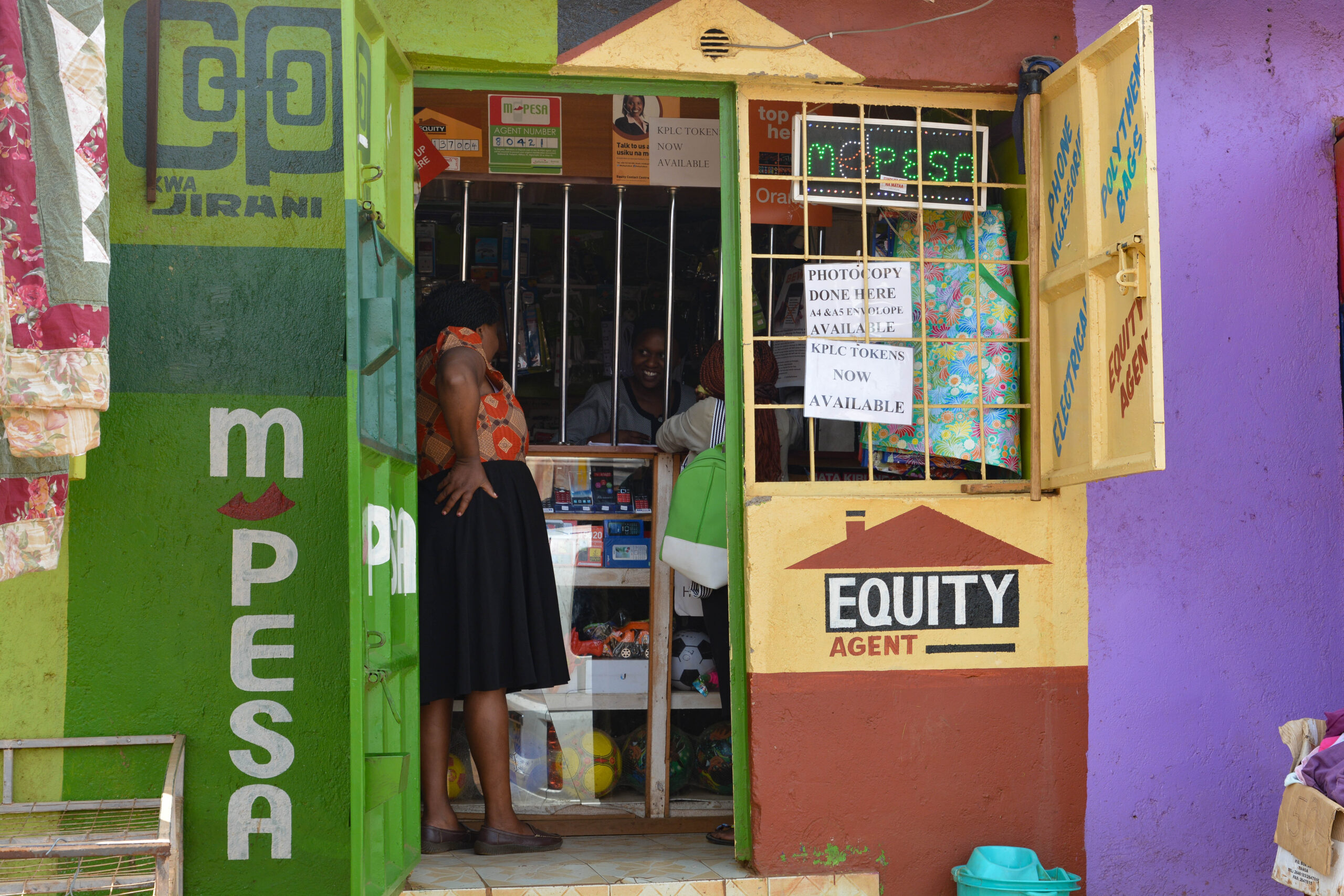
The Retail Business Is Going the Other Way
Airtel Kenya launched Xstream Fibre, a home internet service, on 29 April 2026. Entry pricing is KES 1,999 a month, about US$15.
In August 2026 it was reported to have secured a 25-year unified licence from the Communications Authority.
Those two moves point at households rather than at other operators.
Reading them together as a single strategic retreat is an interpretation, not something Airtel has said.
The Court Case Airtel Is Part Of
A petition was filed in the Kenyan High Court on 14 May 2025. It concerns alleged internet disruption during the 2023 finance bill protests and the 2024 national exams.
The case is ICJ Kenya and six others against the Communications Authority, registered as HC/CHR/PET/276/2025.
Justice Bahati Mwamuye issued interim conservatory orders on 14 May 2025. There has been no final ruling.
Airtel Kenya is a named respondent, alongside Safaricom, the Communications Authority, the Attorney General and the ICT cabinet secretary.

What It Means for Kenyan Customers
Nothing changes for anyone using Airtel mobile or Xstream Fibre. The company being wound up had no customers.
Wholesale market structure does affect retail prices eventually, but with one fewer marginal competitor the effect is small.
Kenya’s home internet market remains competitive, with several operators pricing below KES 3,000, about US$23, a month.
Business customers buying dedicated capacity should confirm which Airtel entity holds their contract.
What to Watch
The strike-off itself, expected by December.
Whether the Telesonic brand continues in Airtel’s other markets.
Xstream Fibre subscriber numbers in Airtel Africa’s next results.
And the High Court petition, which has been open since May 2025 without a final decision.
More: Africa news and analysis, every day from The Rio Times.
Frequently Asked Questions
What is Airtel closing?
Airtel Kenya Telesonic, its Kenyan wholesale internet and fibre subsidiary. Strike-off is expected by December 2026.
Did it ever make money?
No. It recorded no revenue in any year and lost KES 16.1 million, about US$124,000, in 2025.
When was the decision taken?
The board resolved to close the company on 6 February 2026, the same day it returned its licence booklet.
Does this affect Airtel mobile customers?
No. The company being wound up had no customers. Airtel mobile and Xstream Fibre are unaffected.
What is Telesonic?
Airtel Africa’s wholesale capacity brand, launched in February 2024 across 14 markets, selling bandwidth to other operators.
Is Airtel leaving Kenya?
No. It launched Xstream Fibre home internet in April 2026 and was reported in August to have secured a 25-year unified licence.
Sources: Airtel Africa regulatory filings, Business Daily Africa, Communications Authority of Kenya, Telecompaper, Techweez, ICJ Kenya (HC/CHR/PET/276/2025).
This article was produced by The Rio Times’ automated newsroom system. How we use AI · Report an error
LatAm Markets: Live Signals → — real-time movers, turnover leaders and FX across Latin America.
Read More from The Rio Times