Brazil’s Senate Holds 109 Impeachment Requests Against Supreme Court Justices
Brazil · JUSTICE
Key Facts
- —What happened Davi Alcolumbre said on 1 September that 109 impeachment requests sit against the Supreme Court’s ten sitting justices.
- —Prosecutor-General’s Office The Prosecutor-General asked the court to annul the police report, arguing that only the full court may order an investigation into one of its own.
- —Justice André Mendonça Justice Andre Mendonca told the Federal Police to dig deeper with no request from prosecutors or police.
- —Senator Carlos Viana Senator Carlos Viana of the PSD in Minas Gerais filed what he called the 54th impeachment request against Justice Alexandre de Moraes.
- —Brazilian Bar Association The Bar Association wants a rigorous, impartial inquiry and insists the presumption of innocence still holds.
The Senate President’s remarks come as Brazil’s top court faces a wave of political pressure over a judge’s controversial order.
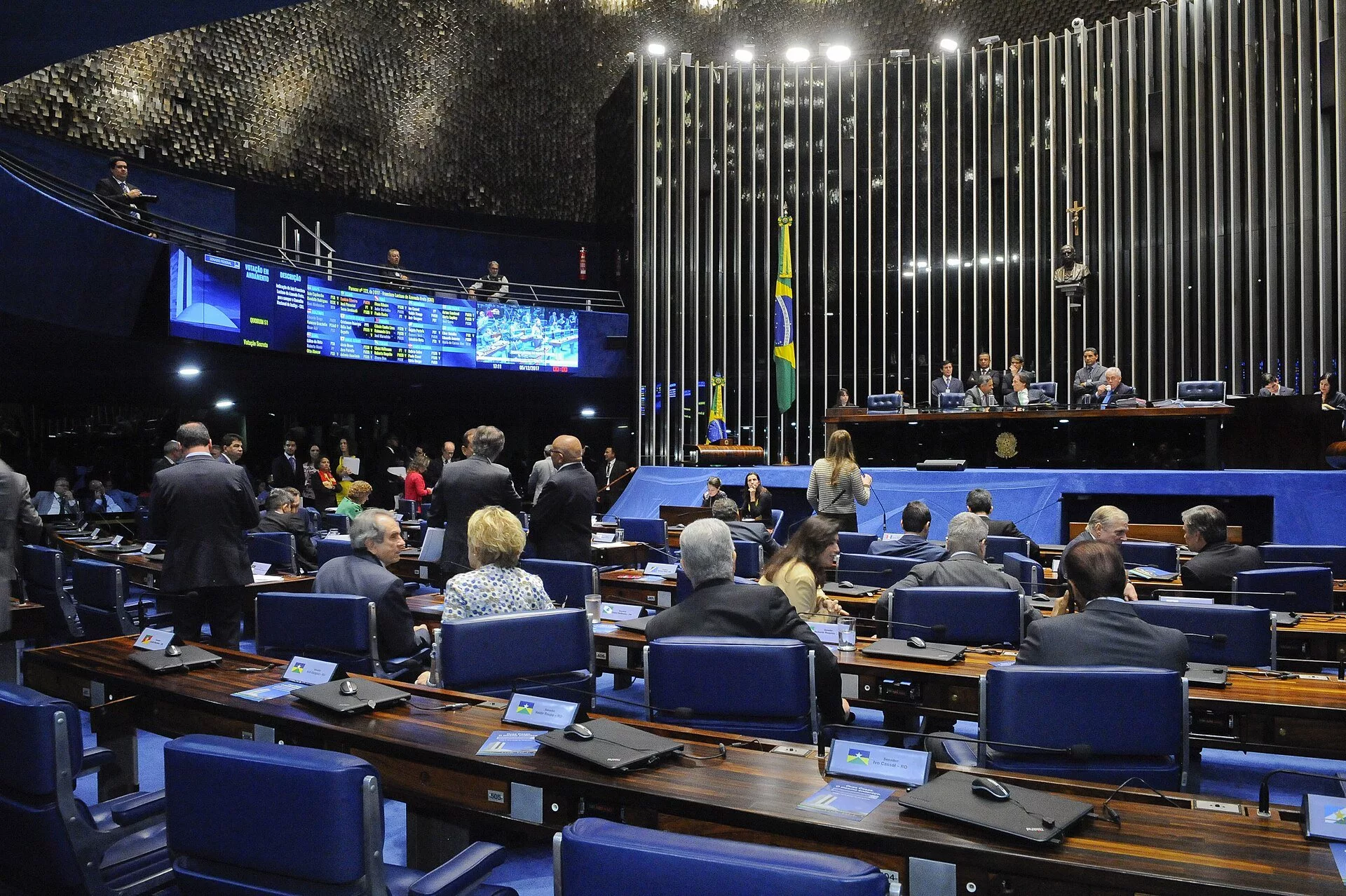
Davi Alcolumbre, of Uniao Brasil in Amapa, told reporters on Tuesday 1 September 2026 that 109 impeachment requests are pending against Supreme Court justices.
“My perception is that there are 109 requests. That is not normal,” the Senate President said.
Senate President Calls Volume Unusual
Alcolumbre framed the figure as his own estimate. He spoke after Senator Carlos Viana, of the PSD in Minas Gerais, filed a request against Justice Alexandre de Moraes that Tuesday, which Viana called the 54th against Moraes alone.
Viana also threatened to seek Alcolumbre’s removal from the Senate presidency if the request is shelved. Senator Damares Alves, of the Republicanos in the Federal District, said she would file her own request and called on Moraes to resign.
In Brazil, an impeachment request against a Supreme Court justice is filed with the Senate. Article 52 of the Constitution lets the Senate try justices for crimes of responsibility.
The procedure is set out in Law 1.079 of 1950. The request goes to the Senate’s presiding board, which is meant to pass it to a special committee that reports within ten days.
In practice the Senate President screens it first and can shelve it by order. That gatekeeping is why almost no request ever reaches a vote.
Removal takes a two-thirds vote, or 54 of the 81 senators. It costs the justice the seat plus eight years barred from public office.
No impeachment request against a Supreme Court justice has ever been approved by Brazil’s Senate. Alcolumbre archived 36 of them in his first term, from 2019 to 2021, and his successor Rodrigo Pacheco rejected every one he received.
Prosecutor-General Challenges Judge’s Order
The Prosecutor-General’s Office, known as the PGR, asked for the investigation to be declared null on 1 September 2026. It argued the judge’s order was invalid.
“It is not for a judge to accuse, still less for a judge to carry out pre-trial investigations,” the filing said.
The Prosecutor-General argues a double nullity: that only the full court may order an investigation into one of its members, and that a judge may not direct a pre-trial inquiry. The PGR also criticised Justice André Mendonça for requisitioning the inquiry without a request from the prosecution service or the police.
Therefore, the agency wants the whole procedure struck down.
Background of the Underlying Police Report
The underlying material is a Federal Police report concerning the banker Daniel Vorcaro. Its secrecy was lifted by Justice Mendonça.
Meanwhile, Mendonça asked for a public, in-person plenary session of the Supreme Federal Court. He wrote that the case’s inevitable path leads to the full court.
Scheduling it is up to the court’s president, Edson Fachin. No date had been set as of 2 September 2026.
The messages at the centre of the report are attributed to Vorcaro and Moraes and have not been authenticated in court. Moraes has made no public statement about them, and he has not been charged, indicted, suspended or removed.
Role of the Prosecutor-General Clarified
Paulo Gonet is not a suspect. He is the prosecutor-general who challenged Mendonça’s move.
He is also named in the report he wants annulled. It describes alleged contacts between Vorcaro and Gonet through a lawyer, including travel costs for Gonet’s son.
What Declaring an Investigation Null Means
A request to declare an investigation null asks a court to strike the whole procedure. The ground is that it was opened the wrong way.
If granted, evidence gathered under it can fall with it. As a result, the PGR’s request could have significant consequences.
However, the Supreme Federal Court has not yet ruled on the matter.
Bar Association Calls for Rigorous Inquiry
The Brazilian Bar Association, known as the OAB, voiced extreme concern on 1 September 2026. Its acting president, Delio Lins e Silva Jr, signed the statement.
The OAB called for a rigorous and impartial investigation of all the facts, with regard to whoever it may be. It also insisted on due process, full defence rights and the presumption of innocence.
Supreme Court’s Structure and Stakes
The Supreme Federal Court, the STF, is Brazil’s highest court. It has eleven seats, but only ten are filled.
The eleventh has been empty since Justice Luis Roberto Barroso reached the mandatory retirement age of 75 in 2025. The Senate then rejected President Lula’s nominee, Jorge Messias, in April 2026.
Because the Senate President decides whether to schedule a request, most never proceed. Even so, the sheer number of requests signals deep dissatisfaction.
Political Pressure Mounts on Justices
Senator Carlos Viana’s request against Justice Alexandre de Moraes adds to the pile. Alcolumbre’s response suggests he sees the volume as excessive.
While no justice has been charged or suspended, the impeachment requests remain a tool for political pressure. In fact, the Senate President’s remarks underscore the unusual nature of the situation.
Impeachment Requests and the Road Ahead
The 109 impeachment requests against the ten justices are now a central topic in Brasília. Alcolumbre’s statement that this is not normal sets the tone for debate.
Because the Senate President controls the agenda, most requests will likely stall. Nevertheless, the pressure on the court is unlikely to fade quickly.
Frequently Asked Questions
What are impeachment requests in Brazil?
Impeachment requests are formal calls to remove a public official from office. Against Supreme Court justices, they are filed with the Senate, which decides whether to proceed.
Who decides whether an impeachment request moves forward?
The Senate’s presiding board and its President screen the request first, and the President can shelve it by order. No request against a Supreme Court justice has ever been approved.
What did the Prosecutor-General’s Office ask for?
The PGR asked for the investigation to be declared null, arguing the judge’s order was invalid. It also criticised Justice Mendonça for requisitioning the inquiry without a request from prosecutors or police.
Is Justice Alexandre de Moraes facing charges?
No. Justice Moraes has not been charged, indicted, suspended or removed, and he is presumed innocent. Senator Carlos Viana filed a request, and Alcolumbre put the total against all justices at 109.
Connected Coverage
Sources: Agência Senado; Poder360; Metrópoles; Migalhas; CNN Brasil; OAB Federal Council; Law 1.079 of 1950; Constitution, Article 52.
This article was produced by The Rio Times’ automated newsroom system. How we use AI · Report an error
Read More from The Rio Times