Milei Filled 166 Judicial Posts in Argentina in a Year
ARGENTINA · JUSTICE
Key Facts
- —What happened Argentina’s justice minister announced 166 judicial appointments in a single year.
- —Who is in that total Judges, but also prosecutors and public defenders. The last batch of 63 was 42 judges, 9 prosecutors and 12 defenders.
- —How they get the job A competitive exam, a shortlist, a presidential pick, then a Senate hearing and vote.
- —The Senate It confirmed 67 of them on 27 August. Sixty-six passed without a single vote against.
- —Why so many at once Almost nothing was filled in the government’s first two years. The vacancies piled up.
- —What is left About a quarter of federal judicial posts are still empty.
Argentina has spent a year filling courtrooms that sat empty. The government calls it a record. The backlog it cleared is the reason the number is so large.
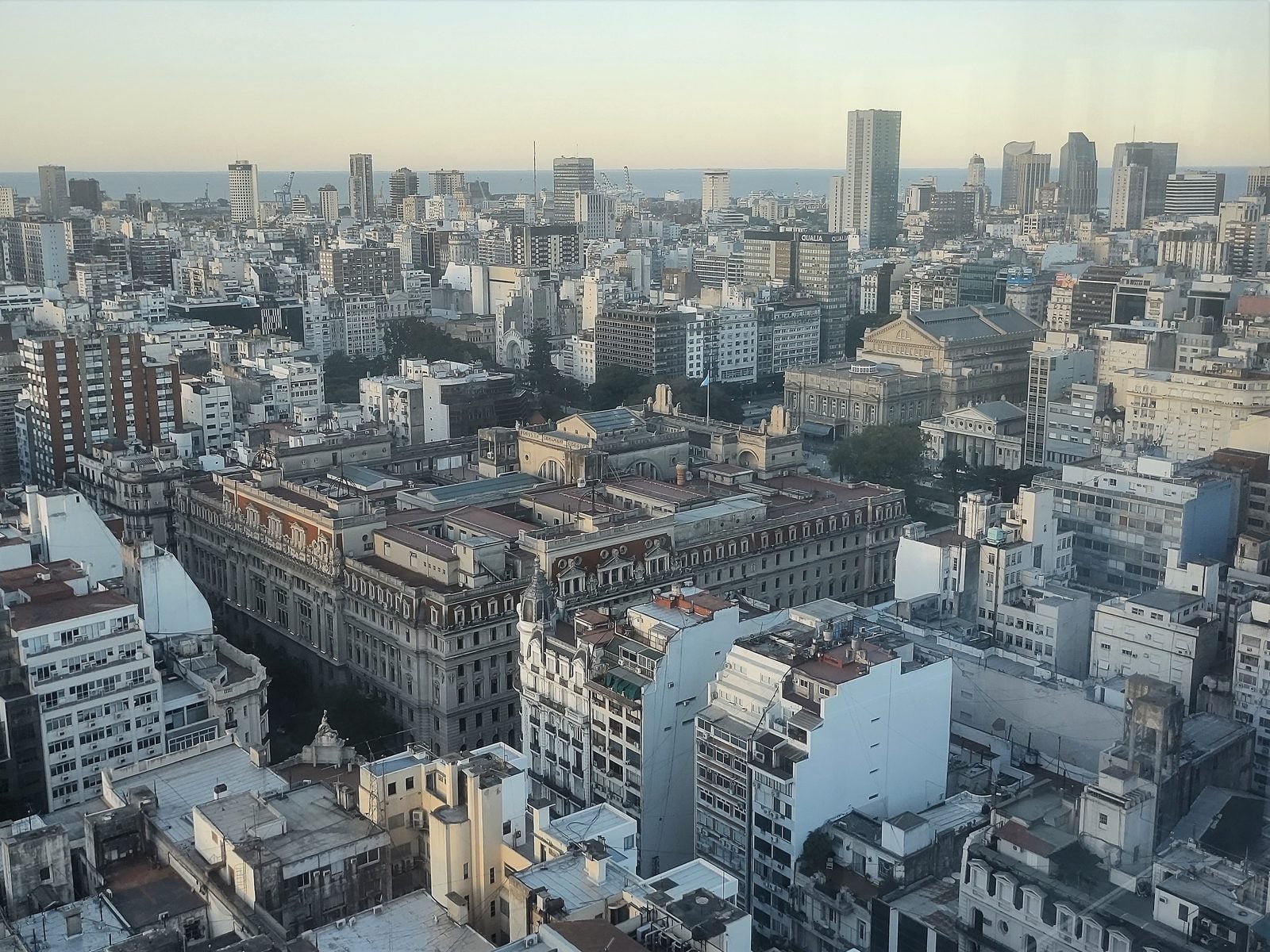
Javier Milei’s government has put 166 people into Argentina’s justice system in twelve months. The Senate approved almost all of them unanimously.
What the Number Contains
Justice Minister Juan Bautista Mahiques announced the total on 8 September.
The final batch, 63 appointments, appeared in the official gazette the same day. It broke down into 42 judges, 9 prosecutors and 12 public defenders.
An earlier batch in July covered 33 posts: 21 judges, 6 substitute judges, 4 prosecutors and 2 defenders.
So the headline figure covers the whole apparatus of Argentine justice rather than the bench alone. Prosecutors and defenders are appointed through the same route.
How Argentina Appoints a Judge
The route is set by the constitution and has not changed under this government.
A judicial council runs a competitive examination and sends the president a binding shortlist of three names. The president chooses one of the three.
The Senate then holds a public hearing and votes. Only after the Senate agrees does the president sign the decree that makes the appointment real.
The decree is the last step rather than the mechanism. Nobody in this batch arrived by presidential order alone.
The Senate Barely Blinked
On 27 August the Senate approved 67 nominations. Sixty-six passed unanimously.
One did not. Pablo Bertuzzi was confirmed by 44 votes to 23, the only contested name in the batch.
That near-silence is worth noting in a chamber where the government has no majority and loses votes regularly.
A noisier episode belongs to last year. The government tried to seat two Supreme Court judges while the Senate was in recess, and failed.

Why the Total Is So Large
The government calls it the most judicial confirmations in a year since the judicial council was created in 1994. No official comparison has been published to test that.
The simpler explanation is arithmetic. Appointments were close to frozen through the first two years of the term while the council and the Senate fought over process.
Vacancies accumulated, and this year they were cleared in batches. Even after 166 appointments, roughly a quarter of federal judicial posts remain empty.
For anyone with a case in an Argentine federal court, that vacancy rate is the figure that matters. It is why cases take years.
The Rulings Question
The Argentine outlet El Destape published a list on 5 September linking the new appointments to decisions that suited the government.
It pointed to two judges, Bertuzzi and Llorens, confirming the removal of private accusers in the LIBRA cryptocurrency case. The same pair upheld the dismissal of a case over the 2018 loan from the International Monetary Fund.
Both rulings came a day after a swearing-in ceremony, and the outlet ran a photograph of Bertuzzi alongside the justice minister.
Bertuzzi and Llorens are not new arrivals. They have sat on the federal criminal appeals court in Buenos Aires for years.
This batch reconfirmed them rather than appointing them.
The news agency MercoPress covered the same story. Nobody, it noted, had shown that the judges in those cases came from the new intake.
The Objections That Stuck
Two civil society organisations have complained about how the competitions were run. They are the Civil Association for Equality and Justice and the Centre for Legal and Social Studies.
Their case is about process: irregularities in the examinations and conflicts of interest among those running them.
That is a narrower charge than the one about rulings, and a harder one to dismiss. It does not depend on any judge deciding anything.
The government has answered by pointing at the numbers, and at a Senate that voted for almost all of them without objection.
More: Argentina news and analysis, every day from The Rio Times.
Frequently Asked Questions
How many judges has Milei appointed?
The government reports 166 judicial appointments in a year, a total that includes prosecutors and public defenders.
How are judges appointed in Argentina?
A judicial council exam produces a binding shortlist, the president picks, the Senate confirms, and a decree formalises it.
When did the Senate vote?
On 27 August 2026, approving 67 nominations, 66 of them unanimously.
Is 166 a record?
The government says so. No official comparison with earlier presidencies has been published.
Do the new judges favour the government?
One Argentine outlet has argued so from the timing of two rulings. The judges in those cases were long-serving, not new.
How many posts are still vacant?
Around a quarter of federal judicial positions remain unfilled.
Sources: Boletín Oficial, Ministerio de Justicia, Senado de la Nación, Infobae, Perfil, MercoPress, El Destape, El Litoral.
This article was produced by The Rio Times’ automated newsroom system. How we use AI · Report an error
In depth
Read More from The Rio Times