Argentina LNG Financing Plan Set for Signing in New York
ARGENTINA · BUSINESS
Key Facts
- —What happens Argentina and the United States present an investment package in New York on Wednesday 23 September 2026.
- —How big The US Export-Import Bank (EXIM) plans up to US$7 billion for Argentine minerals and energy projects.
- —The gas share About US$6 billion is tied to Argentina LNG, the YPF, Eni and XRG export project.
- —The catch Argentina’s Congress has still not ratified the trade and investment agreement signed with Washington in February.
- —Who signs Foreign Minister Pablo Quirno and US Deputy Secretary of State Christopher Landau.
- —What comes next Official texts from EXIM and both governments would settle the Argentina LNG financing amounts.
Officials meet in New York on Wednesday to back Vaca Muerta gas exports with US export credit, and two headline numbers are circulating.
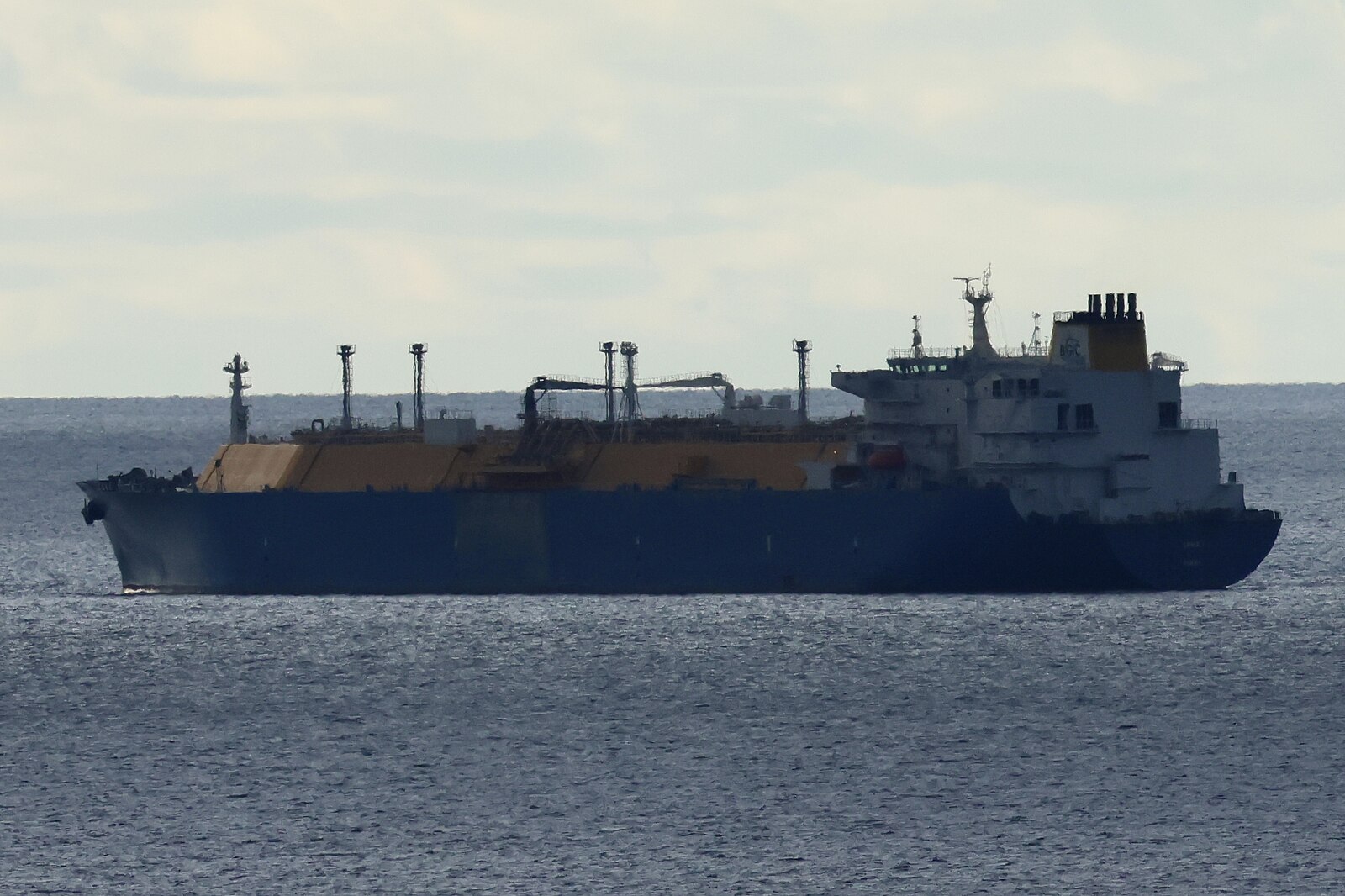
Argentina and the United States are due to announce an Argentina LNG financing package in New York on Wednesday 23 September 2026. Foreign Minister Pablo Quirno and US Deputy Secretary of State Christopher Landau are expected to present it.
What the Two Sides Will Announce in New York
Argentina and the United States are due to sign an investment accord at Argentina’s consulate in New York. The event falls on the sidelines of the United Nations General Assembly.
Pablo Quirno has been Argentina’s foreign minister since October 2025 and leads the Argentine side. Christopher Landau, the US deputy secretary of state, represents Washington.
The package covers energy, critical minerals and export infrastructure. It leans on US export credit and private investors rather than direct sovereign lending.
La Nación reported that the announcement was set for 7pm New York time. President Javier Milei is in the city for the General Assembly.
Why One Number Says US$6 Billion and Another Says US$7 Billion
The two figures are not rival versions of the same number. They measure different things.
Reuters reported, citing a document it saw, that the US Export-Import Bank plans up to US$7 billion. That ceiling covers critical-minerals and energy projects in Argentina over the next two years.
Argentine outlets including Infobae and Ámbito put about US$6 billion against one project, Argentina LNG. Whether that US$6 billion sits inside the US$7 billion has not been confirmed.
EXIM money is export credit, not a cash transfer. It lends or guarantees so that foreign buyers can pay for American equipment and services.
The instruments described are loans, guarantees and insurance, alongside private capital. The structure also contemplates the US International Development Finance Corporation (DFC).
Argentina LNG Financing and the Vaca Muerta Export Plan
Argentina LNG is the project at the centre of the gas side. YPF holds 36 percent, with Italy’s Eni and the Emirati firm XRG on 32 percent each.
The partners applied under RIGI, Argentina’s incentive regime for large investments, citing about US$51 billion over the project’s life. La Nación reported that about US$29 billion of that falls before 2031.
The design uses two floating liquefaction units in the San Matías Gulf, off Río Negro province. Combined capacity is about 12 million tonnes a year, with room to reach 18 million.
Vaca Muerta is the shale formation in Neuquén province that would supply the gas. Argentina wants to turn that output into hard-currency export revenue.
YPF chief executive Horacio Marín said on 18 September that the company was deep in talks with export credit agencies. He named Europe, Asia and the United States.
The Congress Problem Behind the Deal
In February 2026 Washington and Buenos Aires signed an agreement on reciprocal trade and investment. Argentina’s Congress has still not ratified it.
Ambassador Jamieson Greer signed for the United States, the trade representative’s office said. That accord is the wider frame around this week’s financing step.
La Nación reported that Argentine officials say they do not yet have the votes. That keeps part of the wider framework open rather than settled.
Ratification is separate from the export credit itself. It still shapes how durable the commercial opening looks to lenders.
What This Means for Expats and Investors in Latin America
For people living in or invested in Latin America, the signal matters as much as the number. A US agency lending against Argentine energy risk lowers the perceived cost of these projects.
RIGI grants tax, customs and currency benefits to very large projects for long periods. It is the frame most new Argentine energy and mining money now uses.
That can pull private money in behind it, from bank syndicates to bond buyers. Holders of YPF shares or Argentine sovereign debt are the most direct audience.
Rio Tinto in lithium, BHP in copper and Chevron in shale already operate in Argentina. Readers in Brazil, Chile or Colombia may see similar export-credit structures appear closer to home.
EXIM reopened financing for Argentina in February 2026, according to the trade outlet Shale24. That reopening is what makes an envelope of this size possible.
What Is Still Not Known
Neither government has published the final text of the accord. The figures in circulation come from official briefings and from a document Reuters reported seeing.
The final signed amount is not known, nor the split between EXIM, the DFC and private lenders. No drawdown schedule has been published.
It is also unclear which projects would draw funds first. Argentina LNG is the named example, not a confirmed first borrower.
Long-term sales contracts are the other gate for a project of this size. YPF has said it is close to signing some, without naming final terms.
Official texts from EXIM and the two governments would settle the amounts and the instruments. Until then, Wednesday reads as an early marker on a long road for Argentine gas.
Frequently Asked Questions
Is this a US Treasury swap line?
No. The Argentina LNG financing package uses export credit, guarantees and insurance from US agencies, together with private investors.
Is the amount US$6 billion or US$7 billion?
Both appear. EXIM’s ceiling is up to US$7 billion for minerals and energy, while about US$6 billion is tied to Argentina LNG.
Has Argentina’s Congress approved the wider deal?
Not yet. The reciprocal trade and investment agreement signed in February 2026 is still awaiting ratification in Buenos Aires.
Sources: Reuters, 22 September 2026, citing a document seen by its reporters; Infobae; Ámbito Financiero; La Nación; Shale24; Office of the United States Trade Representative; US Department of State.
This article was produced by The Rio Times’ automated newsroom system. How we use AI · Report an error
Read More from The Rio Times