Argentina LNG Nears the Moment of Truth on a US$20 Billion Bet
Argentina · Energy
Key Facts
- —The decision Backers of the Argentina LNG project expect a final investment decision by the end of 2026.
- —The scale YPF’s chief has called it a US$20 billion project, with some estimates of the wider build reaching US$25-28 billion.
- —The capacity An initial phase targets 12 million tonnes of LNG a year, with ambitions to reach 30 million by the 2030s.
- —The partners YPF leads, with Eni and ADNOC’s XRG upstream, and a separate export venture including Pan American Energy, Pampa, Harbour and Golar.
- —The source The gas comes from Vaca Muerta, one of the world’s largest shale formations.
The country is sitting on one of the world’s great gas fields. Turning it into cash means building an export industry almost from scratch, fast.
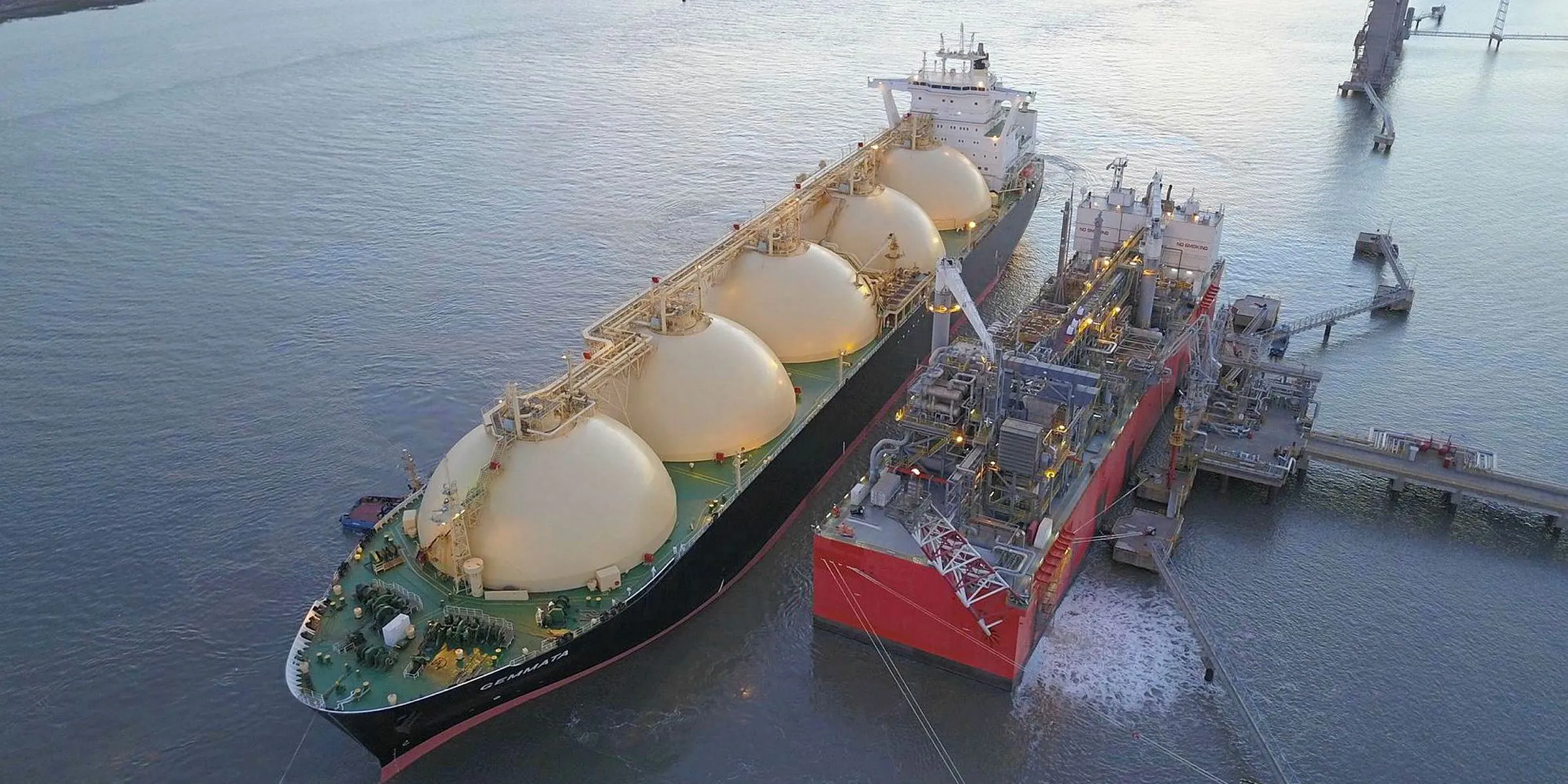
The catch is getting that gas to the world, and Argentina LNG is the plan to finally do it. Argentina has a problem most countries would envy.
Beneath its Patagonian plains lies Vaca Muerta, a shale field so vast it could power the nation for generations.
Gas without a door to the world
For years, Vaca Muerta has been a giant with its hands tied. There is far more gas than Argentina can use at home.
The obvious answer is to sell it abroad. But natural gas is hard to ship; it must be chilled into a liquid first, then loaded onto special tankers.
That is what LNG, or liquefied natural gas, means. Building the plants to make it is the missing link, and the reason this project matters so much.
Argentina LNG’s moment of decision
The industry calls the key moment a final investment decision, or FID. It is when backers stop planning and commit the money.
For Argentina LNG, that moment is expected by the end of 2026. Everything now points toward that deadline.
An FID is not a formality. It is the difference between a slide deck and steel in the ground.
The eye-watering price of building it
None of this is cheap. YPF’s chief executive has described Argentina LNG as a US$20 billion project.
Broader estimates of the full build, from gas wells to liquefaction, run higher still, toward US$25 to US$28 billion. That is a colossal sum for any country, let alone one with Argentina’s turbulent financial history.
Who is putting up the money
This is too big for any single company, so the risk is shared across a web of partners. The upstream gas venture is led by YPF with a 36% stake, alongside Italy’s Eni and ADNOC’s XRG, each with 32%.
A separate export company, Southern Energy, brings in Pan American Energy, Pampa Energía. Harbour Energy and Golar to run the ships that will chill the gas.
Spreading the stakes this way also spreads the risk. If one partner wobbles, the venture as a whole is less exposed.
The floating factories at the heart of it
The cleverest part of the plan is how the gas gets liquefied. Instead of vast onshore plants, Argentina is leaning on floating LNG vessels.
These are essentially factories on ships, moored offshore, that chill gas into liquid and load it straight onto tankers. Golar has already committed to a 20-year charter for one such vessel.
Capable of 3.5 million tonnes a year, a concrete first step.
A crowded, competitive market
Argentina is not racing into an empty field. Qatar, the United States and Australia already dominate global LNG.
New supply from several countries is due this decade, which could soften prices just as Argentina arrives. That makes cost discipline vital.
Floating plants help, because they are quicker and cheaper to deploy than sprawling onshore terminals.
Starting at 12 million tonnes, aiming for 30
The ambition scales up over time. The initial phase of Argentina LNG targets around 12 million tonnes of exports a year.
That alone would put Argentina on the global LNG map. But the backers are thinking bigger.
The longer-term plan is to reach 30 million tonnes a year in the 2030s, a level that would rival established exporters.
Why Vaca Muerta changes the maths
All of this rests on one geological gift. Vaca Muerta is among the largest shale gas and oil formations on the planet.
Its scale is what makes decades of exports plausible. There is simply enough gas to justify building an entire industry.
The challenge has never been the resource. It has been the pipelines, plants and capital needed to move it.
The incentives Argentina is offering
To lure this kind of money, the government leaned on a new tool. Its large-investment regime, known as RIGI, offers tax and currency guarantees.
For investors scarred by past Argentine crises, those assurances matter enormously. The promise is stability: predictable rules for the multi-decade life of a project that cannot be unwound halfway.
What it would mean for Argentina
The prize is not just gas; it is dollars. LNG exports could become one of the country’s biggest sources of hard currency.
For an economy perennially short of foreign reserves, that is transformative. Energy could do for Argentina what farming long has.
Whole regions of Patagonia would feel the investment, in jobs, roads and local spending.
The risks that still loom
Optimism should be tempered. Megaprojects slip, budgets swell, and global gas prices swing.
Argentina’s own instability is a shadow over everything. Investors are betting the rules will hold across governments and crises.
The FID at the end of 2026 will be the real verdict on whether that confidence is warranted.
What to watch next
The date to circle is the end of 2026, when the biggest commitments are due. Watch, too, for the first floating vessels to arrive and for first exports later this decade.
If it all lands, Argentina will have turned a buried treasure into a genuine engine of its economy.
Frequently Asked Questions
What is Argentina LNG?
It is a cluster of projects to turn gas from the Vaca Muerta shale field into liquefied natural gas for export. Led by YPF with international partners.
How much will it cost?
YPF’s chief has called it a US$20 billion project, with broader estimates of the full build reaching US$25 to US$28 billion.
When is the final decision?
Backers expect a final investment decision by the end of 2026, the point at which the money is formally committed.
How much gas would it export?
An initial phase targets about 12 million tonnes a year, with ambitions to reach 30 million tonnes in the 2030s.
Why does it matter for Argentina?
LNG exports could become a major source of hard currency for an economy that chronically lacks foreign reserves.
Sources: YPF; Reuters; Golar LNG; Southern Energy.
This article was produced by The Rio Times’ automated newsroom system. How we use AI · Report an error
Read More from The Rio Times