Argentina’s Bid to Scrap PASO Primaries Stalls in the Senate
Key Facts
-
—
What happened A Senate committee recessed on September 15 without votes to scrap Argentina’s PASO primaries. -
—
The math La Libertad Avanza holds 21 of 72 Senate seats and needs the UCR’s 10 votes. -
—
Who said it Ruling-bloc leader Patricia Bullrich admitted the government still lacks the votes. -
—
The sticking points Cuts to campaign financing and free airtime divide senators beyond the primaries fight. -
—
The deadline Any change must clear Congress by year-end to apply to the 2027 elections. -
—
The catch Provincial governors want a substitute ballot system before they back full elimination.
A Reform That Ran Out Of Road
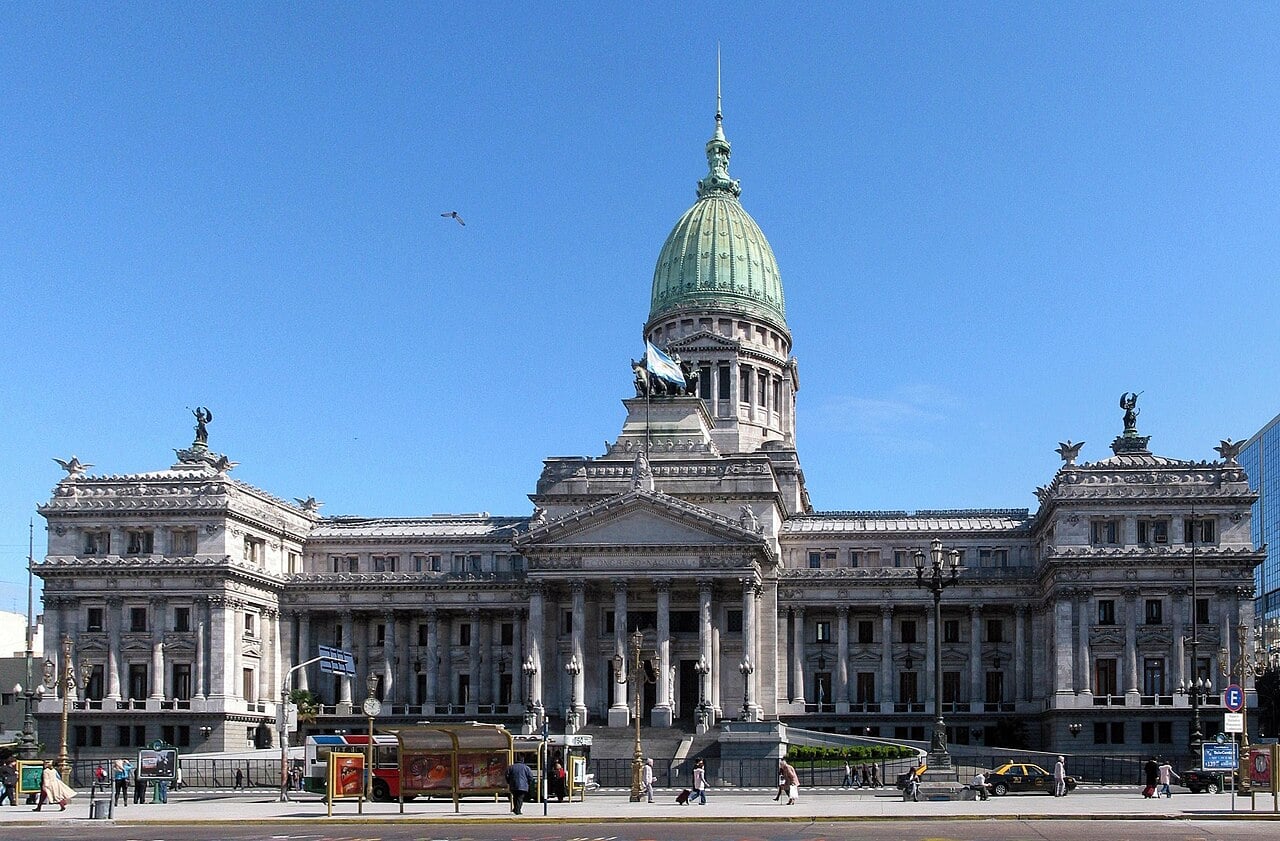
Argentina’s Senate spent September 15 debating a plan to scrap the mandatory PASO primaries. Lawmakers left the room without a deal.
The Constitutional Affairs Committee recessed the session instead of voting. Members agreed to reconvene the following week and try again.
The stall marks a setback for a push the government first went public with in April. Officials had hoped to have a new electoral rulebook locked in months before this.
Karina Milei, the president’s sister and a key political operator, met Pro leaders at the Casa Rosada to launch the push. That early meeting set expectations the Senate has yet to match.
Why The Government Wants PASO Gone
President Javier Milei’s government has pushed since April to scrap the primaries. Officials call the vote costly and redundant for a single-round system.
The PASO, short for Primarias Abiertas Simultáneas y Obligatorias, forces every party to hold one national primary day. Milei’s allies say it wastes public money without narrowing the field.
The government wants the change locked in before the 2027 midterms. That timeline is now the source of the pressure in the Senate.
Argentina already suspended the PASO once before, for the 2025 midterm elections. That was a temporary fix; this new bill aims to remove the primaries permanently from the calendar.
The Vote Count Behind The Standoff
La Libertad Avanza controls just 21 of the Senate’s 72 seats. Passing the bill requires the 10 votes held by the Radical Civic Union, or UCR.
Senator Patricia Bullrich leads the ruling bloc in the Senate. She put the problem bluntly after the September 15 session.
“Todavía no tenemos la cantidad de votos para eliminarlas o suspenderlas,” she said. In English: the government still lacks the votes to eliminate or suspend the primaries.
Committee chair Agustín Coto is steering the debate chapter by chapter. Lawmakers are working through party-financing and digitalization rules first, leaving PASO for a later stage.
Pro, the center-right party allied with Milei on many votes, backs the reform in principle. It has not lined up a unified strategy on the details, according to people close to the talks.
Governors Hold The Real Leverage
Provincial governors, not national party bosses, control many of the Senate votes the government needs. Several oppose scrapping PASO without a replacement mechanism.
Governors rely on the primary system to manage internal rivalries within their own coalitions. Some fear that killing PASO outright would strip them of a tool for settling local disputes before a general election.
Opposition to so-called “colectoras,” or joint candidacy lists floated as an alternative, has also slowed talks. Neither the ruling bloc nor the UCR has settled on a single substitute mechanism.
Some senators are also waiting on the political weather to shift before committing. A handful of undecided lawmakers want to see how November’s U.S. midterm elections play out first.
They are treating that foreign vote as a signal for how bold to be at home. It is an unusual reason to delay a domestic electoral bill, but insiders say it is real.
A Second Fight Beyond The Primaries
PASO is not the only sticking point in the broader electoral-reform package. Senators are also split over reducing public financing for campaigns.
Cuts to free television and radio advertising time for parties have drawn pushback as well. Some blocs want the anti-corruption “Ficha Limpia” clean-record bill handled as a separate measure rather than bundled with PASO.
Ficha Limpia would bar candidates with certain criminal convictions from running for office. Its backers worry that tying it to the stalled primaries fight could sink it too.
Party officials describe the whole package as Milei’s biggest attempt yet to rewrite Argentina’s electoral rules. Supporters call it a modernization; critics call it a rushed overhaul with too many moving pieces.
Opposition Peronist senators have mostly stayed on the sidelines of the internal fight. Their votes matter less here than the split inside the government’s own coalition of allies.
What Happens Next
The committee is set to resume debate the week after September 15. Government negotiators say they are still building consensus, not abandoning the bill.
Both chambers of Congress would still need to pass identical text for the change to become law. Senate approval is the harder of the two hurdles, given the ruling party’s thin bench there.
Electoral authorities have signaled that any rule change needs final approval well before voters go to the polls in 2027. That leaves the government a narrowing window to convert Senate goodwill into an actual majority.
For now, the PASO primaries remain on the books. Whether they survive into 2027 depends on votes the ruling coalition still does not have.
The Senate fight is unfolding just as Congress opens debate on next year’s national budget. Both bills now compete for the same scarce floor time and the same wavering provincial votes.
This article was produced by The Rio Times’ automated newsroom system. How we use AI · Report an error
Read More from The Rio Times