Bolivia Diesel Price Nearly Doubles to US$1.55 a Litre for Big Industrial Buyers
Bolivia · Economy
Key Facts
- —The price Diesel for large ‘grandes consumidores’ now costs Bs 18, about US$1.55 a litre, up from Bs 9.80 (US$0.85).
- —The rise That is a jump of roughly 84%, close to double, set by Decreto Supremo 5676.
- —Who pays Only direct clients and big buyers using around 120 litres a month or more.
- —Who is spared Households, small businesses and transporters still pay the subsidized Bs 9.80.
- —The context Bolivia is unwinding fuel subsidies amid a dollar shortage and a new US$1.9 billion IMF program.
Households and transporters keep the old subsidized rate, as a cash-strapped government shifts more of the fuel bill onto companies.
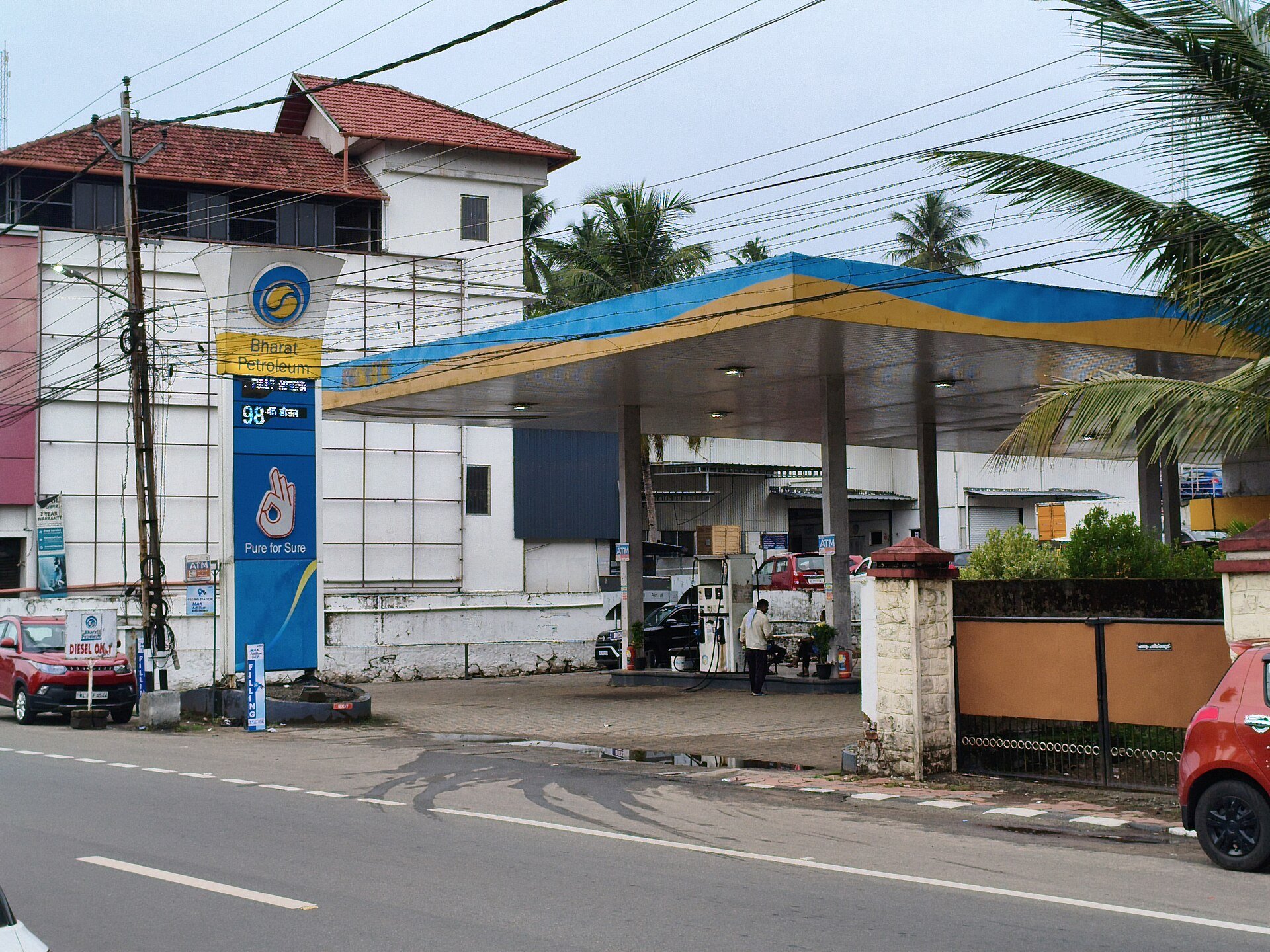
The Bolivia diesel price for large industrial buyers has nearly doubled overnight. A new decree lifts it to Bs 18, about US$1.55 a litre, from Bs 9.80 (US$0.85).
Ordinary drivers and families, though, keep paying the old subsidized rate.
What Bolivia Just Changed
On 17 August 2026, ministers unveiled Decreto Supremo 5676. It sets a reference price of Bs 18 a litre of diesel for the country’s biggest buyers.
The decree was signed on Sunday 16 August. As a result, large firms now pay almost double what they paid a day earlier.
Why The Bolivia Diesel Price Rose
The move is not about squeezing motorists. Instead, it targets the heavy industrial demand that drains Bolivia’s scarce, imported diesel.
Officials say the higher rate pushes big users toward real market costs. Therefore, the state carries less of the import bill for them.
Who Actually Pays More
The new price hits ‘clientes directos y grandes consumidores’, meaning direct clients and large consumers. In practice, that means companies buying around 120 litres a month or more.
Mining, agriculture and freight operators are the obvious examples. Because they burn fuel by the tanker, the increase lands hardest on them.
Who Is Protected
For everyone else, the pump price does not move. Households, small businesses and transporters still pay Bs 9.80, roughly US$0.85, a litre.
Minister Fernando Aramayo stressed the point. Drivers filling under 120 litres, he said, keep loading diesel at the price they always paid.
How Big The Jump Really Is
From Bs 9.80 to Bs 18 is a rise of about 84%. That is close to a doubling, yet not quite the full 100%.
Some headlines call it a doubling for effect. Still, the official figures point to an increase of nearly 84%, and the price includes VAT.
The Subsidy Rollback Behind It
This is the latest step in a historic reform. Late in 2025, President Rodrigo Paz began dismantling more than two decades of fuel subsidies.
Earlier decrees had already lifted diesel to Bs 9.80 from around Bs 3.70. Now the largest consumers face a second, sharper adjustment.
The Dollar Shortage Squeezing Fuel
Bolivia imports roughly 95% of its diesel. Because dollars are scarce, the state struggles to pay foreign suppliers on time.
The result has been long queues, rationing and smuggling. Contraband diesel has sold for Bs 19 to Bs 30, far above the subsidized pump.
The IMF Factor
In late July, Bolivia reached a staff-level deal with the IMF. The 36-month program is worth about US$1.9 billion under the Extended Fund Facility.
The Fund wants subsidy cuts and a more flexible exchange rate. As a result, moves like this decree fit squarely inside that adjustment.
What It Means For Businesses
For heavy fuel users, costs just rose sharply. Many will pass the extra litre price to customers, so some prices could drift upward.
The government hopes higher rates curb smuggling and waste. Even so, industry groups warn the burden falls on productive sectors first.
What Comes Next
The Bs 18 figure is only an initial reference price. The Hydrocarbons Ministry will set a methodology, and the regulator will publish a daily rate.
So the number can move with world oil prices. For now, though, the split system stands: cheap diesel for households, market prices for giants.
Frequently Asked Questions
How much is the new Bolivia diesel price for big buyers?
Large consumers now pay a reference price of Bs 18 a litre, about US$1.55, up from Bs 9.80 (US$0.85).
Do ordinary drivers pay more too?
No. Households, small firms and transporters keep the subsidized price of Bs 9.80 a litre, roughly US$0.85.
Who counts as a large consumer?
Direct clients and ‘grandes consumidores’ — broadly, users buying about 120 litres a month or more, such as mining and freight firms.
Why is Bolivia raising fuel costs?
It is unwinding costly fuel subsidies amid a dollar shortage, in line with a new US$1.9 billion IMF program.
Connected Coverage
Sources: El Deber; Infobae; La Patria; Correo del Sur; Banco Central de Bolivia.
This article was produced by The Rio Times’ automated newsroom system. How we use AI · Report an error
Read More from The Rio Times