Bolivia Diesel Subsidy Ends: Price Rises 83% as Fuel Queues Shrink
Key Facts
- The country — Bolivia, 12 million people, landlocked, and until recently a gas exporter. Gas sales have fallen from US$6 billion in 2014 to just over US$1 billion in 2025.
- The background — fuel prices were frozen by decree in 2005 and stayed frozen for twenty years. The state imports about 95 percent of the diesel it burns and sold it below cost.
- Why it broke — reserves are down to US$3.5 billion and 95 percent of that is gold. The fixed exchange rate collapsed in June after fifteen years, and fuel queues ran for days.
- What happened — a decree of 18 September ended the fixed diesel price. Diesel had cost Bs 9.80 a litre (about US$0.89). From Saturday it costs Bs 17.95 (about US$1.63), a rise of 83 percent.
- Who is behind it — President Rodrigo Paz, in office since November 2025, and an International Monetary Fund programme of about US$1.9 billion that has not yet been approved by the Fund’s board.
- What it means for you — the fuel queues have gone. Intercity bus fares have risen to nearly double, and one highway east of Santa Cruz is blocked.
- The precedent — Evo Morales raised diesel by almost exactly the same amount in December 2010 and cancelled it five days later under protest.
A country that froze fuel prices in 2005 has just let them go. The queues vanished overnight, and the cost of getting anywhere jumped.
The end of the Bolivia diesel subsidy on Saturday changes costs for anyone living in Bolivia or shipping goods through it. Diesel costs 83 percent more than it did on Friday. The fuel queues have gone. Intercity bus fares have risen by half or more, and several sectors have threatened blockades.
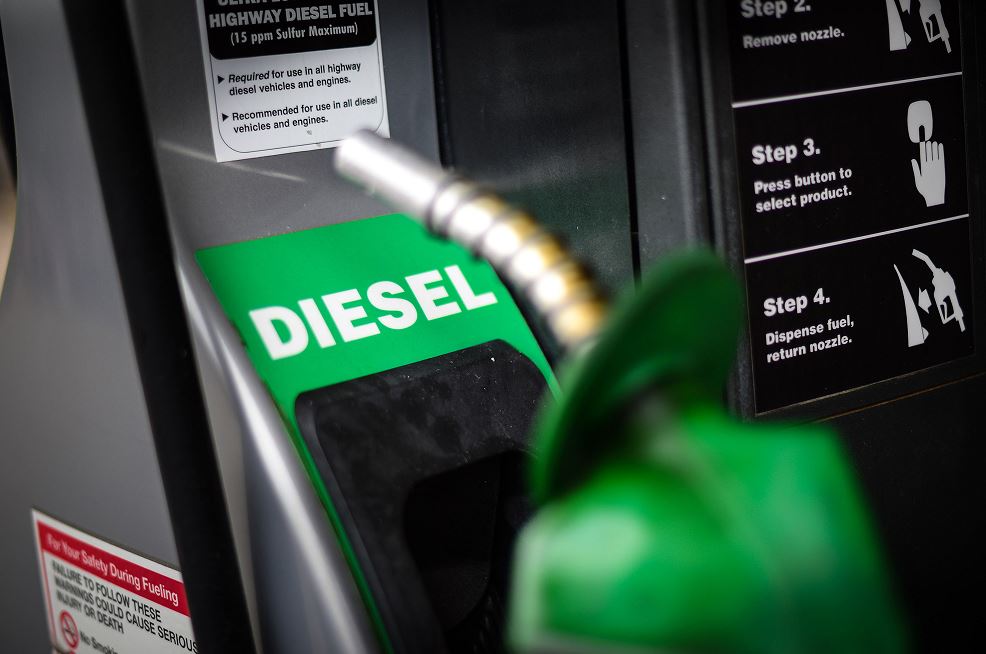
What the Bolivia diesel subsidy decree changed
President Rodrigo Paz signed Supreme Decree 5716 on Friday 18 September and announced it that evening. From Saturday, diesel sells at 17.95 bolivianos (Bs) a litre including tax, against Bs 9.80 before. That is 83 percent, and in dollars it takes the pump price from about US$0.89 to about US$1.63 a litre.
Dollar figures here use the central bank’s official rate of 11.00 to the US dollar in force on 21 September 2026. The bank moved it to 11.90 for 22 September.
The bigger change is structural. The price is no longer set by decree at all. It now tracks an international diesel reference plus transport, storage, inspection, financing and customs costs, recalculated on business days. It only moves when the calculation drifts more than 5 percent from the posted price.
This is the second rise in under a year. The price frozen since 2005 was Bs 3.72 (about US$0.34) a litre. Decree 5503 lifted it to Bs 9.80 in December 2025.
Protests forced that decree’s repeal in January, but the new prices stayed. From Bs 3.72 to Bs 17.95 is a rise of about 383 percent in nine months.
Not every buyer faces the full 83 percent. Since August, Decree 5676 had already charged large consumers such as agribusiness Bs 18 (about US$1.64) a litre. The new decree sets one price for all.
Petrol has not changed. “For now it is only diesel,” Hydrocarbons Minister Marcelo Blanco said on Saturday. But the International Monetary Fund (IMF) programme approved by Congress commits Bolivia to ending fuel subsidies from 2027.
Why it happened now
Bolivia imports roughly 95 percent of the diesel it burns, at a cost of around US$90 million a week. Gas exports have meanwhile fallen from US$6 billion in 2014 to just over US$1 billion in 2025, according to national statistics.
The buffer that used to absorb that is gone. Net international reserves were US$3.63 billion at the end of July, and the central bank says 85 percent of that was gold.
Foreign currency made up only US$472 million. The dollar shortage pushed Bolivia to abandon its fixed exchange rate in June, and the fuel queues got worse every month.
Behind this sits the IMF programme of about US$1.9 billion over 36 months, agreed with Fund staff on 29 July. Congress approved the borrowing on 18 September, and Paz signed it into law as Law 1765 on 20 September.
The Fund’s executive board has not yet signed off. Deputy Treasury Minister Óscar Navarro said the government hopes for a board vote on 2 October. A first disbursement of about US$250 million would follow soon after, he said.
On Monday in New York, US Secretary of State Marco Rubio met Paz on the sidelines of the UN General Assembly. Rubio said on X that the relationship was key to Bolivia’s plans for IMF support. It was also key, he said, to reforming its fuel, mining and energy sectors.
The hydrocarbons ministry also says about 40 percent of the subsidised diesel went to smuggling and other illegal uses. A deputy minister said on Monday that fuel had stopped flowing across the borders.
What is actually happening on the roads
So far, fewer protests have taken place than were threatened, and the situation is changing quickly. Transport operators from the Santa Cruz valleys announced blockades for Monday at Mataral and Los Negros. Both lie on the old Santa Cruz to Cochabamba highway.
Visión 360, a La Paz news site, reported on Monday that none of the threatened actions had taken hold. Talks with several sectors had postponed protests.
The biggest threat was defused on Sunday night. Tanker drivers who haul imported fuel to the pumps agreed at talks with ministers in Santa Cruz to keep working. Three Santa Cruz transport federations also dropped a Monday strike.
Sugar-cane and rice growers meeting in Montero, north of Santa Cruz, gave the government until Monday to repeal the decree. Coca growers in the Cochabamba tropics declared an emergency on Sunday.
The national drivers’ confederation called a national assembly for Tuesday to decide on strikes or blockades. On Monday the urban teachers’ confederation called a national march for 30 September.
Blockades are currently illegal. Bolivia has been under a state of exception, a legal emergency regime, since June, extended by 90 days on 17 September. The defence minister said police and the military would be used if necessary. Around 800 officers and troops went to road points in La Paz department, police said. More went to the Cochabamba to Oruro road.
What it means if you are there
Diesel is available. The queues that ran for hours, sometimes days, have shrunk sharply in Cochabamba, El Alto and other cities. Some Santa Cruz stations still had lines at the weekend. You will pay a great deal more, but you should be able to fill up.
Travel costs have jumped. The ombudsman’s office found average rises of 58 to 81 percent by department. The biggest, up to 125 percent, was on the Yacuiba to Tarija route. Urban drivers want the flat fare doubled from Bs 3 to Bs 6 (about US$0.27 to US$0.55).
Check the road on the morning you travel rather than the night before. The old Santa Cruz to Cochabamba route has faced the most blockade threats. Expect heavy police and military presence on trunk roads, and confirm border crossings before you set out.
The compensation package softens some of this. A cash transfer of Bs 874 million (about US$79 million) is going to around 2.9 million people. The school bonus rises from Bs 200 to Bs 300 (about US$18 to US$27). And up to Bs 800 million (about US$73 million) in credit at around 6 percent is available to hauliers, traders and producers.
The precedent everyone in Bolivia remembers
In December 2010 then-president Evo Morales raised diesel from Bs 3.72 to Bs 6.80 a litre under Decree 748. That was about 83 percent, almost exactly the figure now. The drivers struck, the labour confederation turned against him, and he cancelled the decree five days later. Bolivians call that episode the gasolinazo, and it is the reason no government touched the price for another fifteen years.
The difference this time is that the alternative has run out. Paz puts the cost of the Bolivia diesel subsidy at US$55 million a week, more than US$2.6 billion a year. Bolivia’s reserves are mostly gold.
The open question is whether a government ten days from an expected IMF board vote can absorb the protest without reversing course. The next signals are the drivers’ decision and the emergency assembly of the COB, the national labour confederation. That assembly has been called but not yet scheduled.
More: Bolivia news in English, every day from The Rio Times.
Frequently Asked Questions
How much does diesel cost in Bolivia now?
Bs 17.95 a litre including tax, about US$1.63, up from Bs 9.80. The price is no longer fixed and will move with an international reference, recalculated on business days.
Has petrol gone up too?
Not yet. The hydrocarbons minister said the change covers diesel only for now. The IMF programme approved by Congress commits Bolivia to ending fuel subsidies from 2027.
Are the roads blocked?
Several groups threatened blockades, including transport operators on the old Santa Cruz to Cochabamba highway, but talks postponed most protests on Monday. Drivers were meeting on Tuesday. Check on the day you travel.
Is it easier or harder to buy fuel now?
Easier, at a much higher price. The long diesel queues have shrunk sharply in Cochabamba, El Alto and other cities since the change. That is the government’s central argument for it.
This article was produced by The Rio Times’ automated newsroom system. How we use AI · Report an error
In depth
Read More from The Rio Times