Braskem Creditors Seek US$3 Billion From Owners, Including Petrobras
Brazil · Business
Key Facts
- —What happened Braskem bondholders want a US$3 billion capital injection from its owners, Estadão and Bloomberg reported on 21 September 2026.
- —Who would pay Estadão named Petrobras, with money due within two years. Bloomberg said both controlling shareholders, Petrobras and IG4 Capital, are targeted.
- —The catch Braskem’s board is expected to meet on Friday 25 September 2026 to formally reject the demand, Estadão reported.
- —The dates to watch Creditors set 9 October 2026 as a marker for a deal. The legal 90-day window runs to 22 November 2026.
- —Why it matters Without a deal, Braskem could file for judicial recovery, Brazil’s full court reorganisation. Talks now cover US$10.9 billion of financial debt.
- —What comes next Negotiation documents are due to go public once a confidentiality period ends on 22 September 2026, Estadão reported.
The bondholders of Brazil’s troubled petrochemical group have named their price for a deal that avoids a full bankruptcy case. Much of it lands on a state-controlled oil company less than two weeks before a presidential election.
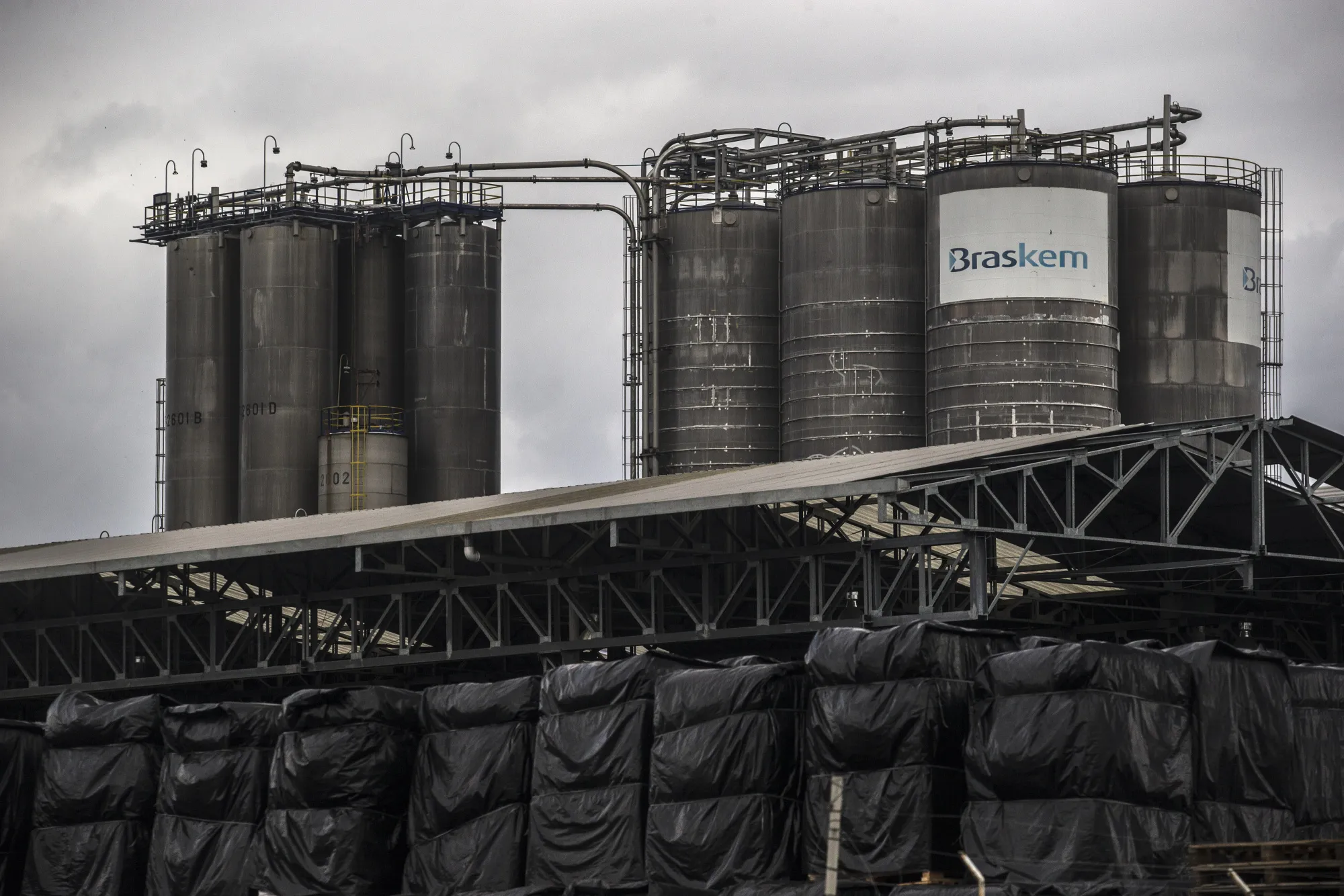
Braskem creditors have put a number on their demand: a US$3 billion capital injection from the company’s owners. Braskem, a Brazilian maker of plastic resins, is restructuring US$10.9 billion of debt under court protection.
Its owners are Petrobras, Brazil’s state-controlled oil company, and a fund managed by the investment firm IG4 Capital. Bloomberg News and Estadão, a São Paulo newspaper, reported the figure on Monday 21 September 2026.
The company is expected to refuse. Braskem’s board plans to meet on Friday 25 September to formally reject the proposal, Estadão reported.
What the bondholders are asking for
The demand comes from bondholders, the investors holding bonds sold abroad and the largest group of Braskem creditors. According to Estadão’s sources, they want the money to reach the company within two years.
Estadão described the injection as coming from Petrobras. Bloomberg, citing people familiar with the talks, said the bondholders want both controlling shareholders to commit it.
Bloomberg also reported that the creditors will not put in any new money themselves. They want a firm, legally enforceable pledge from the owners.
That turns Braskem’s own offer on its head. The late-August proposal asked creditors for about US$2 billion of new money, Bloomberg reported on 17 September.
Of that sum, US$1.25 billion would have bought back debt at up to half of face value. The remaining US$750 million would have gone to working capital.
Bondholders also reject the five-year “relief” period Braskem wants for repairing its finances, according to Estadão. They turned down a reverse auction too, in which creditors would name the discount at which they would sell.
Why Petrobras is holding back
Petrobras holds 47.03% of Braskem’s voting shares and 36.15% of its total capital, the company’s investor relations site shows. The IG4-managed fund, Shine I, holds 50.11% of the votes.
Last week the bondholders met BR Partners, the investment bank representing Petrobras’s directors on the Braskem board, Estadão reported. The oil company is engaged in the talks, the Estadão column said.
But Petrobras has signalled it will not “sign a cheque” and fix everything alone, a source close to the negotiations told Estadão. It wants a contribution from every party in return.
Bloomberg reported that Petrobras wants to avoid a bankruptcy filing but has resisted the enforceable guarantees Braskem creditors seek. Petrobras and BR Partners did not comment to Estadão.
Braskem’s August plan already mentions shareholder money, but only as a fallback. Its main shareholders or third parties would inject new capital, or guarantee it, if Braskem missed financial targets still to be negotiated.
That commitment is also subject to each shareholder’s own governance approvals. The bondholders want money that arrives on a timetable instead.
Live Company IntelligenceBraskem S.A — the full investor dossier
Valuation & profitability
Price & risk
$3.5252-wk high
$13.78
Revenue trend · 6y
Ownership
Dividend
A calendar that is running short
Braskem filed for extrajudicial recovery on Monday 24 August 2026, with the backing of creditors holding 39.6% of the affected claims. The procedure lets a company negotiate a plan privately, then ask a court to make it binding on everyone.
A São Paulo bankruptcy court accepted the case on 28 August and froze creditor enforcement for 120 days. Braskem has 90 days from its filing to win over holders of more than half the claims.
That window closes on 22 November 2026. The creditors, however, wrote an earlier marker of 9 October into the filing, Estadão reported.
If there is no deal by then, Braskem creditors can walk away from the table. The board is also expected to prepare a judicial recovery filing on Friday, in case talks fail by that date. Judicial recovery is Brazil’s full court-supervised reorganisation. Judicial recovery is Brazil’s full court-supervised reorganisation.
If creditors waive the 9 October date, talks can run to 22 November. Some people close to the process see the two sides as very far apart, the column said.
The terms are about to go public
The confidentiality period covering the talks ends on Tuesday 22 September, according to Estadão. Braskem is then expected to publish the negotiation documents, and bondholders will be free to trade the bonds again.
Braskem already published information shared under an earlier round of confidentiality agreements on 24 August. It showed Petrobras raising Braskem’s trade credit limit to R$2.35 billion (about US$460 million) until 31 December 2026.
Conversions in this article use a rate of 5.1117 to the US dollar. That is the Central Bank of Brazil’s reference rate for 21 September 2026.
An election in the background
Brazil votes for president on Sunday 4 October 2026, and the result hangs over the talks. President Luiz Inácio Lula da Silva faces Senator Flávio Bolsonaro of the populist-right Liberal Party.
People in the talks see a Bolsonaro victory as something that could stop Petrobras putting more money into Braskem, Estadão reported. The federal government is Petrobras’s controlling shareholder, so any injection is partly a political decision.
Braskem told Estadão in a written note that the terms were still being discussed. “The company remains committed to seeking a consensual and orderly solution for its financial restructuring,” it said.
What it means for each side
For Braskem creditors, the US$3 billion figure is the price of avoiding a full court case. For Petrobras, it is a large cheque requested by investors who will not add money themselves.
For shareholders, fresh equity or any conversion of debt into shares would dilute their stakes. The August plan already lists a possible conversion of part of the debt.
Suppliers and customers sit outside the process, which covers only unsecured financial debt. Braskem said in August that those contracts remain in force.
More: Brazil coverage, every day from The Rio Times.
Frequently Asked Questions
Who owns Braskem?
Two shareholders control it. Shine I, an investment fund managed by IG4 Capital, holds 50.11% of the voting shares and 34.32% of total capital. Petrobras, the state-controlled oil company, holds 47.03% of the votes and 36.15% of total capital. Other investors hold the rest, according to Braskem’s investor relations site.
What is extrajudicial recovery?
It is a Brazilian procedure between a private workout and a full court reorganisation. The company negotiates a plan with its creditors and then asks a court to ratify it. Braskem filed with support from creditors holding 39.6% of the affected claims. It has 90 days, to 22 November 2026, to secure more than half.
What happens if there is no deal by 9 October?
According to Estadão, the creditors wrote that date into the filing as a marker for an agreement. If it passes without one, bondholders can leave the negotiations. Braskem could then file for judicial recovery, the full court-supervised reorganisation. The creditors can also waive the date and keep talking.
Why do Braskem creditors want money from the owners?
Bloomberg reported that the bondholders refuse to put in new money themselves. Braskem’s own August offer had asked them for about US$2 billion. Its plan offered shareholder help only conditionally: possible liquidity support, and equity if Braskem missed targets still to be negotiated. The creditors want US$3 billion committed up front.
Sources: Estadão’s Coluna do Broadcast on the US$3 billion demand, Seeking Alpha on Bloomberg’s report of 21 September, Seeking Alpha on Bloomberg’s report of 17 September, Braskem material fact on the extrajudicial recovery filing, Braskem material fact on the court decision of 28 August, Braskem material fact on information shared with investors, Braskem investor relations on its shareholding structure, Central Bank of Brazil exchange rates
This article was produced by The Rio Times’ automated newsroom system. How we use AI · Report an error
Read More from The Rio Times