Oil Hedges Push Brazil’s Brava Into a Loss
Brava’s headline loss comes from accounting for its oil price hedges, yet settling those contracts also cost it real cash in the quarter.

Brazil: Oil and Gas
Updated 1 time · Latest: 11 November 2026
Brava Energia, a Brazilian oil and gas producer listed in São Paulo, reported a third-quarter net loss of R$156 million (about US$28 million) on Monday, 9 November 2026. The company blamed paper losses on its oil price hedges, while its adjusted operating profit rose 22%.
Key Facts
- Result Net loss of R$156 million (US$28 million), against a R$121 million (US$22 million) profit a year earlier.
- Cause Hedge contracts, which fix future oil sale prices, caused a R$1.197 billion (US$217 million) charge.
- Operations Adjusted EBITDA, an operating profit measure, rose 22% in reais to R$1.58 billion (US$287 million).
- Output Production averaged 82,400 barrels of oil equivalent a day, the best quarter this year.
- Next Drilling of two Atlanta wells has begun; first oil, meaning first production, is planned for the second quarter of 2027.
Brava’s headline loss comes from accounting for its oil price hedges, yet settling those contracts also cost it real cash in the quarter.
What Brava Reported
The company’s net result swung from a R$121 million (US$22 million) profit in the third quarter of 2025 to a R$156 million (US$28 million) loss. Analysts surveyed by LSEG, the London Stock Exchange Group’s financial data business, had expected a R$132 million (US$24 million) profit.
Net revenue rose 11% from a year earlier to R$3.39 billion (US$615 million), according to the company’s financial statements. Adjusted EBITDA, a measure of operating profit before interest, tax and depreciation, reached R$1.58 billion (US$287 million), or 46.8% of revenue.
Why a Loss Despite Higher Operating Profit
Brava said the loss came from financial expenses that mark its oil hedge contracts to market value. A hedge locks in a future selling price for oil, so when oil trades above that price the contract loses value on paper.
The company put the charge at R$1.197 billion (US$217 million) in its filing with the CVM, Brazil’s securities regulator. The company said the accounting effect does not equal a cash outflow.
Some cash did leave the business: settling the hedge contracts cost R$403 million (US$73 million) in the quarter, the company said in the same filing. The net financial result was a R$1.406 billion (US$255 million) loss.
Production and Costs
Production averaged 82,400 barrels of oil equivalent a day (boe/d), the company’s best quarterly average this year, the company said. Lifting cost, the expense of bringing a barrel out of the ground, was US$13.4 a barrel, 18% lower than in the second quarter.
Chief financial officer Luiz Carvalho said the results show the team’s focus on capital discipline, the company said. Leverage, which compares net debt with EBITDA, held at 2.0 times.
Cash and the Next Wells
The company ended September with cash of R$4.8 billion (US$871 million), the company said. Conversions in this article use R$5.51 per US$1, the market closing rate on 9 November.
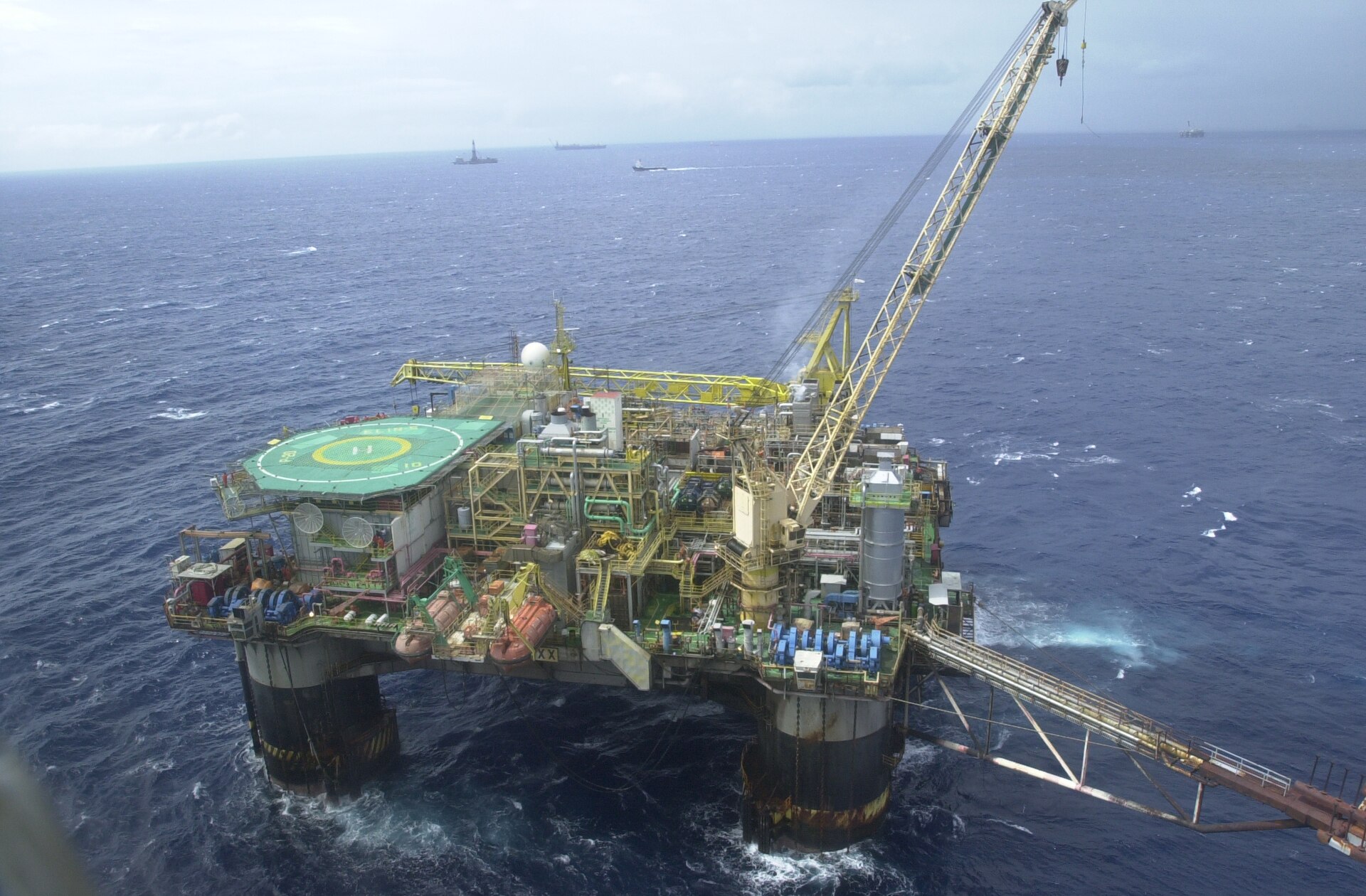
At the offshore Papa-Terra field, Brava finished wells PPT-52 and PPT-53; PPT-52 is producing and PPT-53 is ready to start once regulatory approvals arrive, the company said on 11 November. The Lone Star rig then moved to the Atlanta field in the Santos Basin, where drilling of two new wells has begun.
“The start of drilling in Atlanta marks another very important cycle for our growth,” said Carlos Travassos, Brava’s offshore operations director. He said the company plans to connect the wells in the first quarter of 2027 and reach first oil in the second quarter.
What Investors Should Take From This
The quarter shows how hedging can push reported profit and cash in different directions. Adjusted EBITDA grew 22% in reais, but the hedge charge decided the bottom line.
Brava’s next quarterly results will show whether hedge settlements keep draining cash. The Atlanta wells are the next production milestone, with connection planned for the first quarter of 2027 and first oil in the second.
What Is Not Known
This report does not give the size or expiry dates of Brava’s remaining hedge contracts. Both would show how much more paper loss or cash cost could follow.
Frequently Asked Questions
Why did Brava Energia post a loss in the third quarter?
The company booked a R$1.197 billion (US$217 million) financial expense from marking its oil hedges to market value. It said the accounting effect does not equal a cash outflow.
Did Brava’s operating profit fall?
No. Adjusted EBITDA rose 22% from a year earlier to R$1.58 billion (US$287 million), with a margin of 46.8% of revenue.
When will the new Atlanta wells produce?
Brava started drilling two new wells in the Atlanta field and plans to connect them in the first quarter of 2027, with first oil in the second quarter. The Lone Star rig is drilling them after finishing two wells at Papa-Terra.
Sources
Brava Energia, results statement of 9 November 2026 and announcement on the start of drilling at the Atlanta field, 11 November 2026 (Brava investor relations); CVM filing; LSEG analyst survey. Related: Brava’s second-quarter results, Fitch’s Brava rating upgrade, Brazil news.
This article was produced by The Rio Times’ automated AI newsroom. Editorial responsibility: Matthias Camenzind, Publisher and Editor-in-Chief. The Rio Times also runs Ask Rio Times, which answers from 100,000+ of our own articles, the daily Latin America Power Map, and prediction-market odds on elections and markets.. How we use AI · Report an error
Brazil runoff, Sunday, October 25: Brazil runoff: date, poll closing times and when results start. Latest: Brazil runoff polls, Flávio 51%, Lula 49%.