Brazil’s Establishment Backs Fachin Over the Supreme Court Crisis
BRAZIL · INSTITUTIONS
Key Facts
- —The setting Brazil’s Supreme Court, eleven judges who decide the country’s biggest constitutional and criminal questions.
- —The crisis Messages recovered from a banker’s phone have put one of the judges under scrutiny.
- —What happened Sunday 198 public figures signed an open letter backing the chief justice.
- —Who signed Ministers from three past governments, economists, business chiefs and the heads of four union federations.
- —Their line That the court must not let its jurisdiction be captured by improper interests.
- —The earlier letter Thirteen retired Supreme Court judges wrote five days before. Different people, different weight.
When Brazilians who agree on almost nothing sign the same paragraph, the subject has stopped being partisan. Two letters in five days say the crisis at the court is now everyone’s problem.
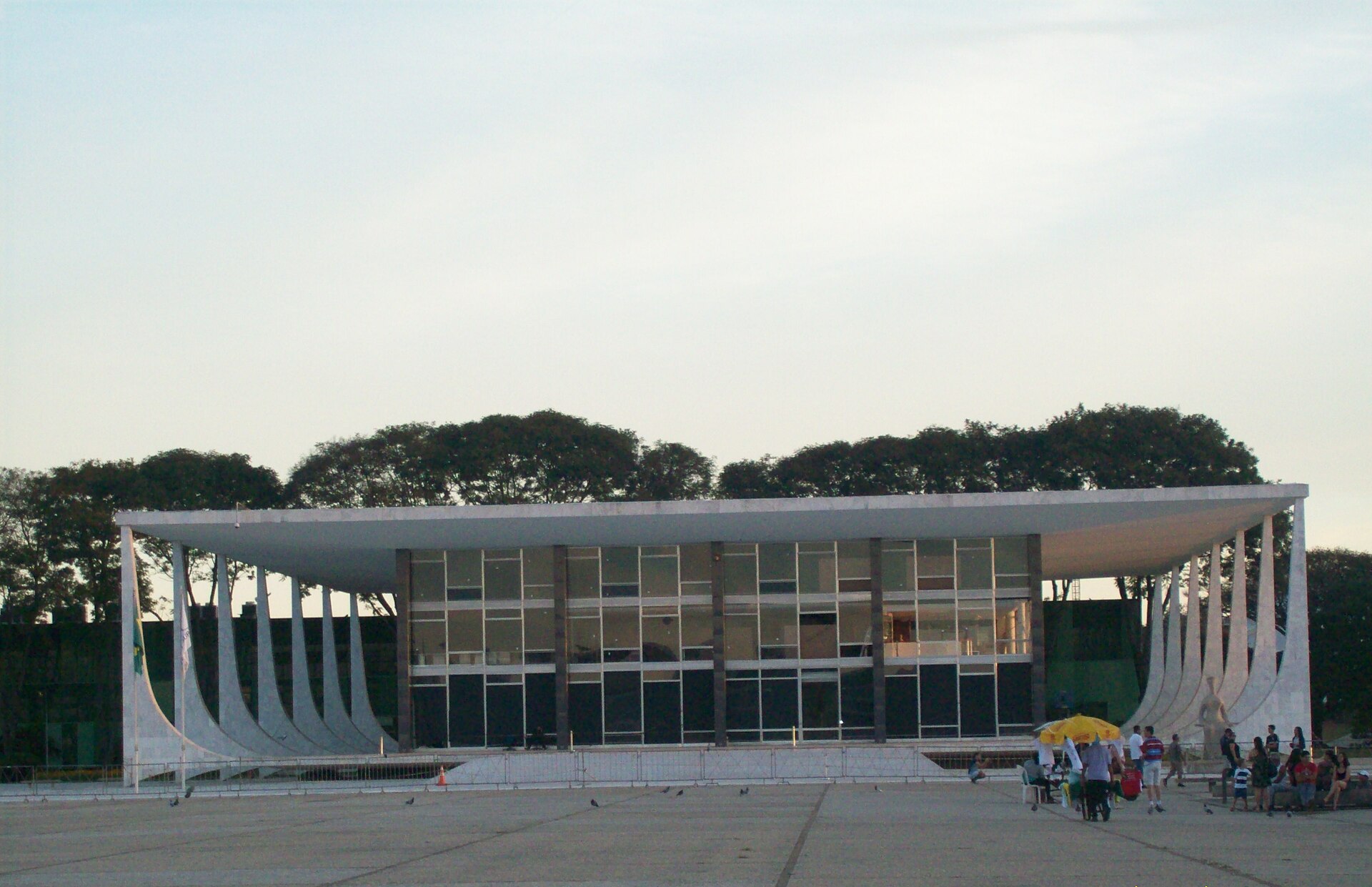
Two open letters in five days have told Brazil’s chief justice the same thing. Investigate properly, and do it in public.
What the Court Is Facing
Brazil’s Supreme Court is unusual. It rules on the constitution and it also supervises criminal cases against people with high office.
That second job has now turned inward. Material recovered from the phone of the banker Daniel Vorcaro has raised questions about Justice Alexandre de Moraes.
Chief Justice Edson Fachin has taken personal charge of the files. The full court meets this week to decide whether police may investigate one of its own.
It is the sharpest institutional crisis the court has faced in decades, and the country has noticed.
The Letter From the Retired Judges
On 8 September, thirteen former justices of the court signed a letter to Fachin.
The names are the recent history of Brazilian law. Celso de Mello, Rosa Weber, Carlos Ayres Britto, Joaquim Barbosa, Nelson Jobim, Ellen Gracie and Cezar Peluso among them.
They called it the sharpest crisis in the court’s history. They asked for immediate and rigorous investigation under due process, and for a public session.
Celso de Mello added a note of his own. No authority, he wrote, stands above the law.
The Letter From Everyone Else
The second letter came on Sunday 13 September and carried 198 signatures. Not one belongs to a judge.
Former ministers signed from three governments that spent twenty years fighting each other. They served under Fernando Henrique Cardoso, Luiz Inácio Lula da Silva and Dilma Rousseff.
Pedro Malan, who ran the finance ministry through the stabilisation of the 1990s, signed. So did Arminio Fraga, a former central bank president, and the economist André Lara Resende.
Two former justice ministers signed, José Carlos Dias and José Eduardo Cardozo. So did the jurists Miguel Reale Junior, Oscar Vilhena Vieira and Joaquim Falcão.
The bankers Candido Bracher and Fabio Barbosa are on it. So are the four biggest union federations, CUT, Força Sindical, UGT and CTB.
What It Asks For
The letter is short and it does not accuse anyone.
Its central line is that the court cannot allow its jurisdiction to be captured by improper interests.
It asks for a rigorous and impartial investigation, and for transparency about how that investigation is run.
Nobody is asked to resign. No justice is named as guilty of anything. The demand is entirely about process.
It was put together quickly. Fraga, Malan, Vilhena Vieira and Reale Junior organised it after a video call on 9 September.
Why Brazilians Write Letters
The open letter is an old instrument in Brazilian public life. It has appeared at every serious constitutional moment since the dictatorship.
It works by breadth rather than by argument. The signature list is the message.
A union federation and a private banker do not normally sign the same document in Brazil. When they do, they are saying the dispute has outgrown politics.
Neither letter will decide anything. Both are addressed to a chief justice who was already acting.
The Week Ahead
The full court meets on Tuesday to vote on whether a police inquiry into Justice Moraes may open.
Fachin has a second file of his own, on how the evidence was gathered in the first place. That one is listed for 23 September.
Neither of the justices at the centre of the case has responded to either letter.
Whether 198 signatures move a single vote is impossible to say. No member of the court has signalled a position in public.
More: Brazil news and analysis, every day from The Rio Times.
Frequently Asked Questions
What is the letter about?
It calls on Brazil’s Supreme Court to investigate the crisis around Justice Alexandre de Moraes rigorously and in public.
How many people signed it?
198, on Sunday 13 September 2026.
Who are they?
Former government ministers, economists, jurists, business leaders and union presidents. No judges.
Is this the same as the retired judges’ letter?
No. Thirteen retired justices wrote separately on 8 September, including Rosa Weber and Carlos Ayres Britto.
Does the letter accuse anyone?
No. It asks for process and transparency, and names no wrongdoing.
What happens next?
The full court votes on 15 September on whether police may investigate Justice Moraes.
Sources: Metrópoles, Revista Fórum, BBC News Brasil, A Gazeta, CNN Brasil.
This article was produced by The Rio Times’ automated newsroom system. How we use AI · Report an error
Read More from The Rio Times