Brazil Bank Strike Shuts Branches as the Six-Day Week Bill Advances
Brazil · Business
Key Facts
- —The action A 24-hour warning strike on Thursday, August 20, 2026, not an open-ended walkout.
- —The demand Inflation cover plus a 5% real raise; Brazil’s INPC index rose 4.10% in the year to July.
- —The banks’ answer Fenaban dropped its tiered pay plan on August 18, yet still offered no percentage.
- —The reach Stoppages confirmed in Minas Gerais, the Federal District, Paraná, Pernambuco and Rio de Janeiro.
- —The other front The 6×1 six-day week amendment finally moved to a Senate committee on August 18.
Cash machines and apps kept running; the real fight is over a 5% real raise the banks still refuse to price.
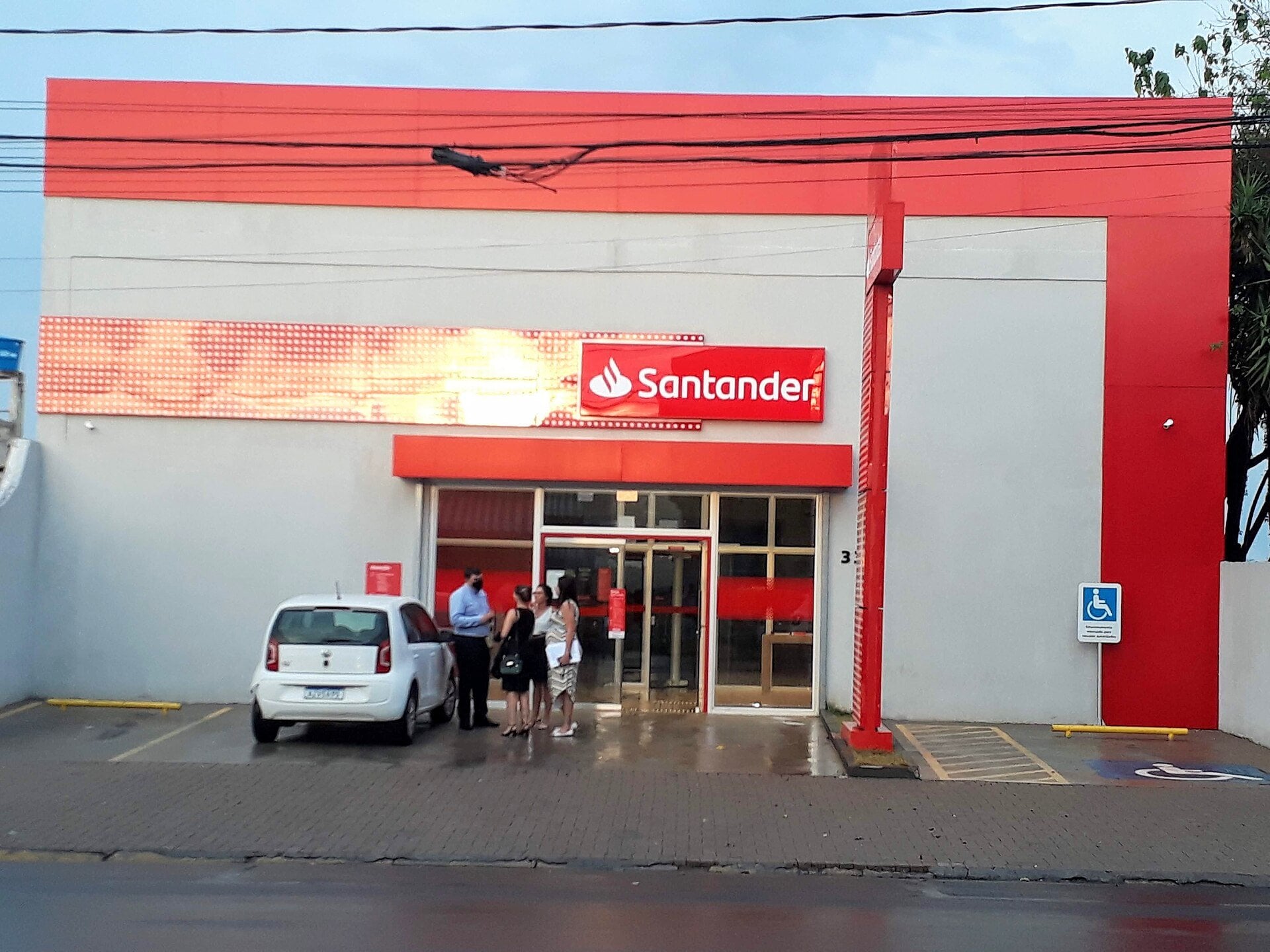
A Brazil bank strike closed branch counters across the country on Thursday, August 20, 2026. It was a 24-hour warning stoppage, called after staff rejected the banks’ pay offer.
Cash machines, apps and PIX transfers kept running throughout.
What Happened on Thursday
Bank workers across Brazil left their posts for 24 hours on Thursday, August 20, 2026. Because it was a warning strike, branches were due to reopen the next morning.
Unions called the action through the Comando Nacional dos Bancarios. That is the national bargaining command coordinated by Contraf-CUT, the financial workers’ confederation.
Why the Brazil Bank Strike Started
The Brazil bank strike followed weeks of talks that produced no pay number. Workers had already rejected the employers’ proposal in assemblies before the walkout.
Union tallies put the rejection at roughly 97 percent. About 90 percent then backed the stoppage, after more than 50,000 staff took part in those meetings.
The Money Both Sides Are Arguing Over
The unions want inflation covered plus a 5 percent real raise. In addition, they want a larger profit-share payout and better meal and food allowances.
Inflation is the anchor for that claim. Brazil’s INPC index rose 4.10 percent in the 12 months to July 2026, the statistics agency IBGE reported on August 11.
What the Banks Actually Offered
Fenaban, the banks’ federation, floated a tiered plan on August 13. It would have set different raises by salary band, frozen the entry-level floor and trimmed meal vouchers in some cities.
After the backlash, Fenaban dropped the tiered model on August 18. Even so, it still named no percentage, which is why the assemblies voted to stop work.
Where Branches Actually Stopped
Minas Gerais was one clear centre, where the Belo Horizonte union led the action. In the Federal District, the Brasília union filed its own strike notice.
Paraná joined after the state federation Fetec-CUT/PR held a plenary of more than 700 workers. Elsewhere, over 80 branches closed in Pernambuco, while Rio de Janeiro unions also reported members joining.
What Still Worked for Customers
Digital banking carried on as normal. Apps, internet banking, PIX instant transfers and cash machines all stayed up, banks and unions agreed.
That distinction matters for household budgets. Since bill due dates did not move, late payments still attracted interest and fines.
What 6×1 Actually Means
Millions of Brazilians work a rota known as 6×1. In short, that is six days on and one day off, week after week.
It is common in shops, restaurants, security and call centres. Although the hours fit inside the 44-hour constitutional limit, the pattern leaves workers a single rest day and rarely a full weekend.
Where the Six-Day Week Bill Stands
The change is a constitutional amendment, PEC 221/2019. Deputies approved it in two rounds on May 27, 2026, by 472 to 22 and then 461 to 19.
It would cut the working week from 44 hours to 40. Moreover, it guarantees five working days and two paid rest days, with no wage reduction.
The Senate Step That Just Moved
The text then sat in the Senate for months. However, Senate President Davi Alcolumbre said on August 14 that it must pass through committees.
And he signed the dispatch on August 18. It now starts at the Constitution and Justice Committee.
The phase-in is gradual: 42 hours within 60 days of promulgation, then 40 hours after 14 months.
Employers Ask the Senate to Slow Down
Business groups moved fast once the bill reached senators. Fiesp, São Paulo’s industry federation, urged the Senate to avoid a rushed vote and to keep the debate off the election calendar.
CNI president Ricardo Alban called the timing inadequate. Meanwhile Fecomercio-SP has pressed for collective bargaining, softer rules for small firms and a transition stretched over ten years.
The Rival Numbers Behind the Lobbying
Employer studies paint a heavy bill. CNI estimates the 44-to-40-hour cut would cost R$76 billion in output.
Roughly US$14 billion at mid-August rates, and lift prices by 6.2 percent. CNC puts the payroll increase at 21 percent.
By contrast, the government research institute Ipea sees labour costs rising about 7.8 percent on average. And argues most sectors can absorb that.
What Happens Next on Both Fronts
The bargaining command and the banks were due back at the table on Monday, August 24. Should talks fail again, unions have promised more pressure, although no open-ended strike has been scheduled.
On the six-day week, the government wants a Senate vote in early September. Senators have also approved a request for a thematic session on the economic and social impact.
Frequently Asked Questions
Was the Brazil bank strike a one-day action?
Yes. It was a 24-hour warning strike on August 20, 2026, rather than an open-ended stoppage.
Could customers still bank during the walkout?
Yes. Apps, internet banking, PIX and cash machines worked normally.
What does the 6×1 schedule mean?
It is six working days followed by one day off. The amendment in the Senate would replace it with five days on and two paid days off.
Does the 6×1 bill cut anyone’s pay?
No. The text trims the week from 44 hours to 40 without reducing wages. Phasing in 42 hours first and 40 hours after 14 months.
Connected Coverage
Sources: Folha de S.Paulo; G1; Poder360; Agencia Brasil; Agencia Senado; Exame.
This article was produced by The Rio Times’ automated newsroom system. How we use AI · Report an error
Read More from The Rio Times