BRAZIL · ECONOMY
Key Facts
- —What it is A concentrated system where the federal government, a few private banks, and powerful families control the largest companies in the Brazil economy.
- —Why it matters These actors decide the price of fuel, credit, meat, iron ore and electricity, shaping daily life and investment returns.
- —The numbers The Central Bank of Brazil projected GDP growth of 1.8% for 2026 and held its policy rate at 13.75% a year as of September 2026.
- —The catch Ownership is often dispersed among shareholders, but control is concentrated through voting shares, holding companies and family agreements.
- —What it means for you A foreigner must understand these state and private power centres to read policy, credit conditions and export trends correctly.
The Brazil economy is not run by a single ministry or market. It is steered by a small group of state-controlled giants, private banks, mining and food companies, and influential families whose decisions reach every export, loan and fuel price.
Brazil is Latin America’s largest economy and a top global supplier of food, iron ore and oil. This guide explains who actually controls the main levers of the Brazil economy in 2026, from the Central Bank to the families behind JBS and Itaú.
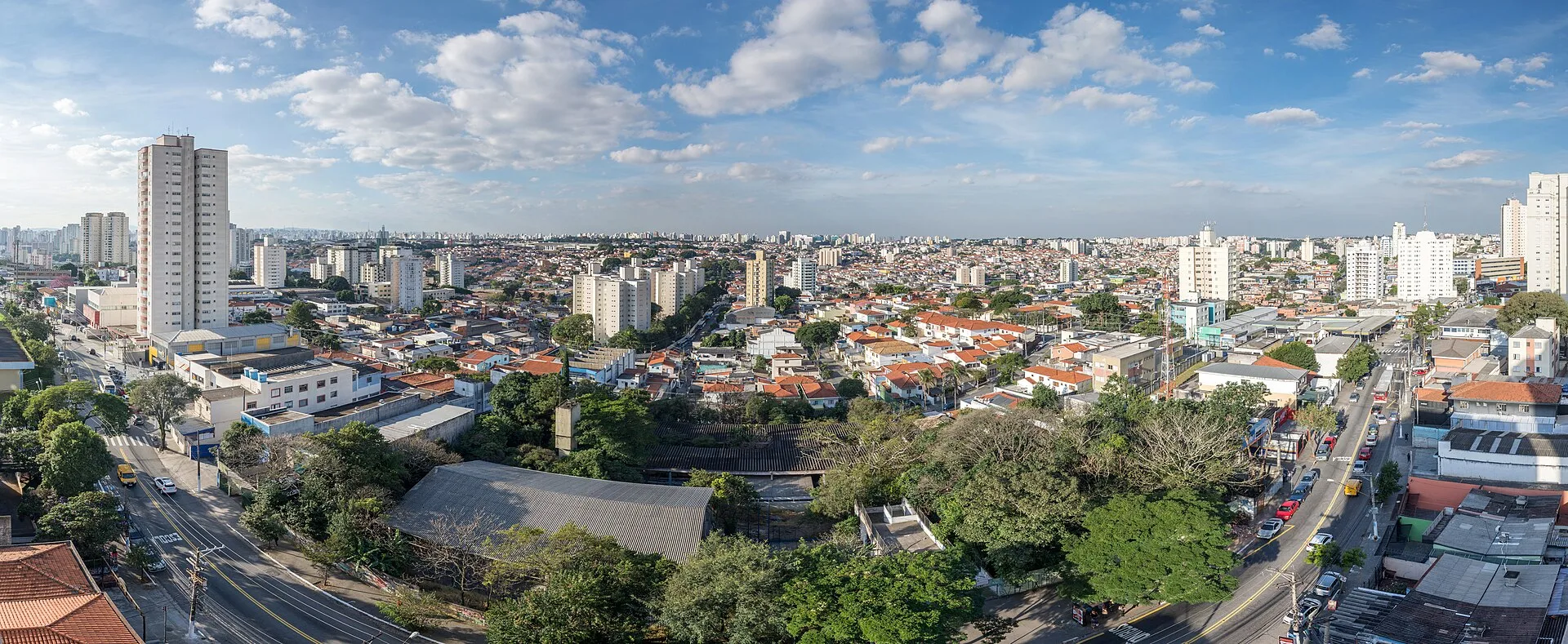
The institutional command centre
Brazil’s economic policy is set by four core institutions. President Luiz Inácio Lula da Silva defines the administration’s political and development priorities. The federal government controls the budget, public investment, state-owned companies and senior appointments.
The Ministry of Finance is headed by Dario Durigan in the current 2026 government structure. It manages fiscal policy, taxation, public debt and the government’s relationship with financial markets. The Ministry of Planning and Budget, led by Simone Tebet, coordinates the federal planning framework and multi-year budget process.
The Ministry of Development, Industry, Foreign Trade and Services is led by Geraldo Alckmin, who also serves as vice president. It is central to industrial policy and trade promotion. The Ministry of Mines and Energy oversees oil, gas, electricity, mining and fuel regulation, directly affecting Petrobras, Eletrobras and mining companies.
The Central Bank of Brazil is institutionally autonomous and decisive on interest rates, inflation expectations and banking regulation. Gabriel Muricca Galípolo is the Central Bank president. The Central Bank’s September 2026 monetary-policy report says the policy rate had been reduced to 13.75% a year, while its 2026 GDP-growth projection stood at 1.8%.
The National Monetary Council, or CMN, coordinates the broad framework for monetary, credit and foreign-exchange policy. It is composed of the finance minister, the planning minister and the Central Bank president. In practice, the Finance Ministry and Central Bank remain the two most important institutions for investors watching Brazilian macroeconomic policy.

The state’s corporate empire
The federal government is not merely a regulator. It is one of Brazil’s largest corporate shareholders and the controlling force behind the country’s most strategic companies.
Petrobras
Petróleo Brasileiro S.A., or Petrobras, is Brazil’s most important state-controlled company. The federal government holds enough voting power to control the company, which is listed on B3 and in New York through American depositary receipts. Petrobras combines deepwater oil production, refining, natural gas, logistics, petrochemicals and energy infrastructure.
The company is chaired by Pietro Adamo Sampaio Mendes, while Magda Chambriard is chief executive officer, according to official references current in October 2026. The federal government appoints board members and determines the company’s broad strategic direction. Petrobras must generate returns for shareholders, but it is also used to pursue national objectives involving fuel prices, industrial policy, shipbuilding, local suppliers, fertilisers and energy security.
Banco do Brasil and Caixa
Banco do Brasil is the country’s largest traditional state-controlled commercial bank. The federal government is the controlling shareholder. Tarciana Medeiros is president of Banco do Brasil in the current official references. The bank’s influence is particularly strong in rural lending, agricultural finance, export finance, payroll and retail banking, and lending to large corporate borrowers.
Caixa Econômica Federal is wholly owned by the federal government. It is Brazil’s main institution for housing finance, federal benefit payments and several public-sector financial programmes. Carlos Vieira is president of Caixa in the official 2026 references. Caixa is a dominant lender in residential mortgages, giving the federal government substantial influence over housing, construction and social transfers.
BNDES and Eletrobras
The Brazilian Development Bank, or BNDES, is the federal government’s principal long-term development lender. It finances infrastructure, industrial projects, innovation, exports and environmental investment. Aloizio Mercadante Oliva is president of BNDES. The bank’s importance is greatest where private credit is expensive or unavailable, including transport infrastructure, energy, manufacturing and large-scale decarbonisation projects.
Centrais Elétricas Brasileiras S.A., or Eletrobras, remains one of Brazil’s largest electricity companies, but it is no longer controlled in the same way as Petrobras or Banco do Brasil. The company was privatised in 2022, and voting-right restrictions prevent any single shareholder from exercising unlimited control. The federal government remains a major shareholder, but private institutional investors and the company’s governance structure now play a much larger role.
Live Market IntelligenceBrazil — Live Market Board
Rio Times · Live Market Intelligence
Brazil — Live Market Board
+2.63%
192,114.55
+2.63%
64,531.68
+1.10%
10,916.57
+0.08%
2,767,663
+0.32%
2,515.02
-0.59%
59,751.67
+0.18%
| Instrument | Last | Change | YoY | Prev. | High | Low | Volume |
|---|---|---|---|---|---|---|---|
| IBOV | 192,114.55 | +2.63% | +21.85% | 187,197.46 | 168,310 | 167,142 | — |
| USD/BRL | 5.16 | +0.01% | -5.13% | 5.16 | 5.18 | 5.14 | — |
| SELIC | 14.00% | — | — | — | — | — | |
| PETR4 | 41.64 | -0.05% | +35.19% | 41.66 | 41.97 | 41.15 | 41,499,400 |
| VALE3 | 72.97 | +0.83% | +30.75% | 72.37 | 73.54 | 72.66 | 17,658,000 |
| ITUB4 | 38.60 | -1.03% | +4.57% | 39.00 | 39.34 | 38.39 | 29,487,800 |
| BBDC4 | 16.85 | +0.36% | +3.50% | 16.79 | 16.90 | 16.67 | 19,416,900 |
| BBAS3 | 19.37 | +0.47% | +0.73% | 19.28 | 19.44 | 19.16 | 11,069,200 |
| B3SA3 | 14.26 | -0.21% | +12.73% | 14.29 | 14.47 | 14.11 | 33,037,800 |
| ABEV3 | 14.89 | -0.80% | +21.91% | 15.01 | 15.07 | 14.81 | 16,453,100 |
| WEGE3 | 47.59 | +0.49% | +29.99% | 47.36 | 48.08 | 47.36 | 3,364,600 |
| PRIO3 | 59.14 | -0.19% | +50.67% | 59.25 | 59.81 | 58.74 | 3,325,600 |
| SUZB3 | 41.33 | +2.35% | -23.55% | 40.38 | 41.48 | 40.35 | 3,914,900 |
| RENT3 | 34.68 | -0.09% | +0.84% | 34.71 | 34.96 | 34.35 | 7,979,100 |
| AZZA3 | 15.89 | -2.63% | -53.76% | 16.32 | 16.42 | 15.82 | 1,330,300 |
| CSNA3 | 4.30 | +0.47% | -42.65% | 4.28 | 4.41 | 4.26 | 10,076,100 |
| GGBR4 | 24.69 | +2.19% | +51.38% | 24.16 | 24.85 | 24.18 | 7,047,600 |
| ENEV3 | 24.21 | -1.38% | +70.49% | 24.55 | 24.64 | 23.99 | 9,297,000 |
The private banks that control credit
Brazil’s private financial system is highly concentrated. A small group of banks controls most household credit, corporate lending, payments, investment banking and asset management.
Itaú Unibanco
Itaú Unibanco Holding S.A. is Brazil’s largest private-sector bank by many operating and market measures. It was created through the combination of Itaú and Unibanco and remains associated with the Setubal and Villela families through the Itaúsa holding structure. Milton Maluhy Filho is chief executive officer of Itaú Unibanco.
The bank is a major force in retail and corporate banking, credit cards, insurance, investment banking, wealth management and Latin American financial services. Its controlling shareholder group is not a single family acting alone, but Itaúsa and related family interests remain central to the bank’s governance.
Bradesco, Santander and BTG Pactual
Banco Bradesco is one of Brazil’s largest private banks. Its historical controlling force is Grupo Bradespar and the Fundação Bradesco-linked shareholder structure, with the Aguiar family historically associated with the bank’s control. Marcelo de Araújo Noronha is Bradesco’s chief executive officer. Bradesco is especially important in retail banking, insurance, payments and services to mass-market consumers.
Banco Santander Brasil is controlled by Spain’s Banco Santander S.A., making it one of the most important foreign-controlled banks in the country. Mario Leão is chief executive officer of Santander Brasil. The bank has a strong presence in retail banking, corporate lending, investment banking, automobile finance and agribusiness.
Banco BTG Pactual is Brazil’s leading independent investment bank and an important force in asset management, corporate lending, commodities, wealth management and alternative investments. The bank was founded by a group that included André Esteves, who remains its controlling shareholder and chairman. Roberto Sallouti is chief executive officer.

Mining, metals and the influence of Vale
Vale S.A. is Brazil’s most important mining company and one of the world’s largest iron-ore producers. It is listed in Brazil and abroad and does not have a conventional controlling family shareholder. Its governance is shaped by a shareholder coalition that includes major pension funds and financial institutions.
The Valepar structure formerly gave a more concentrated group effective control, but governance changes and the expiration of shareholder arrangements made the company more widely held. Vale is central to iron ore, nickel, copper, logistics, ports and railways, and Brazil’s exports to China and other industrial economies.
Gustavo Pimenta is Vale’s chief executive officer in the current corporate leadership structure. The company’s significance exceeds its market capitalisation: its production affects Brazil’s trade surplus, the value of the real, port activity and industrial supply chains. Vale also illustrates why economic control in Brazil cannot be measured only by direct ownership. Pension funds, banks and large institutions can collectively shape a company even without a single dominant family.
Agribusiness and the families behind it
Agriculture and food processing are among the main sources of Brazil’s export strength. The sector is fragmented at the farm level, but major processing, trading and logistics companies are concentrated.
JBS and the Batista family
JBS S.A. is the world’s largest meat-processing company and Brazil’s most internationally significant food group. The company was built by the Batista family, particularly Joesley Batista and Wesley Batista. JBS is associated with the Batista family’s holding company, J&F Investimentos. Gilberto Tomazoni is chief executive officer of JBS, while the family remains the principal controlling force through J&F.
The group operates in beef, poultry, pork, prepared foods, leather and food distribution across multiple countries. Its importance derives from its position between Brazilian farmers and global consumers. It also has major exposure to the United States, making it less purely Brazilian than its origin suggests.
Marfrig, BRF and Cosan
Marfrig Global Foods is another major meat company, particularly in beef and processed foods. The controlling force is associated with founder Marcos Antonio Molina dos Santos, who also became a central shareholder in the broader meat-industry consolidation involving BRF. BRF S.A. is one of the world’s largest poultry and processed-food companies, with brands including Sadia and Perdigão. Its ownership has historically involved major Brazilian investment groups, especially Marfrig and JBS-linked interests.
Cosan S.A. is one of Brazil’s most influential energy and infrastructure groups, with interests in sugar and ethanol, fuel distribution, logistics, ports and natural gas. Its principal controlling shareholder is businessman Rubens Ometto Silveira Mello. Cosan’s importance lies in its position across several links in the energy chain rather than in one commodity alone. The group’s assets and partnerships have connected it to Raízen, its sugar-and-ethanol joint venture with Shell, fuel distribution, rail logistics, port infrastructure and energy and gas assets.
The major business families and tycoons
Brazil’s corporate landscape is shaped by holding companies and shareholder agreements as much as by operating companies. The most influential families include the Setubal and Villela families behind Itaúsa and Itaú Unibanco, the Batista family behind J&F and JBS, and the Aguiar family historically associated with Bradesco.
Rubens Ometto Silveira Mello controls Cosan, while Marcos Antonio Molina dos Santos is the controlling force behind Marfrig. André Esteves remains the controlling shareholder and chairman of BTG Pactual. These figures do not always appear in daily news, but their holding structures determine who appoints executives and sets long-term strategy.
The state remains the largest single economic actor through Petrobras, Banco do Brasil, Caixa and BNDES. Private banks such as Itaú, Bradesco and Santander control the flow of credit. Vale, JBS, Marfrig, BRF and Cosan dominate the export and commodity chains. Together they form a tight network of control over the Brazil economy.
What this means for foreigners and investors
A foreigner looking at the Brazil economy should first understand that the state is a market participant, not just a referee. When Petrobras adjusts fuel prices, when BNDES lends to infrastructure, or when Caixa expands mortgage credit, the effects ripple through inflation, interest rates and the real.
Private credit is concentrated. Itaú, Bradesco and Santander Brasil set the tone for lending rates and fees. BTG Pactual shapes investment banking and asset management. If you are an expat opening a bank account, seeking a mortgage or investing in Brazilian assets, you will almost certainly deal with one of these institutions.
The export economy depends on a few companies and commodities. Vale’s iron ore, JBS and BRF’s meat, and Cosan’s energy and logistics chains generate much of Brazil’s trade surplus. Their performance affects the exchange rate, port activity and employment in key regions.
The main risk is concentration. Because control is so tight, a change in government policy, a family dispute or a governance failure at one major company can move the whole economy. The Central Bank’s 2026 GDP-growth projection of 1.8% and its policy rate of 13.75% a year, as reported in September 2026, show an economy still paying a high price for credit while growing modestly.
What to watch
Watch the Central Bank’s monetary-policy reports for any change in the 13.75% policy rate and the 1.8% GDP-growth projection for 2026. These two numbers set the baseline for credit, inflation and investment decisions across the Brazil economy.
Watch Petrobras board appointments and fuel-price decisions. They signal how the federal government is balancing shareholder returns against political objectives. Watch BNDES lending announcements for clues about industrial policy and infrastructure priorities.
Watch the shareholder structures of Vale, JBS, Marfrig and BRF. Changes in family control, holding-company agreements or pension-fund influence can alter export strategy and capital spending. Watch Itaú, Bradesco and BTG for signs of credit expansion or retrenchment, which shape consumption and investment.
Finally, watch the relationship between the Finance Ministry and the Central Bank. Dario Durigan and Gabriel Muricca Galípolo represent the two most important institutional voices on fiscal and monetary policy. Their coordination, or lack of it, will define the next phase of the Brazil economy.
Related reading: Brazil Election Explained Before Sunday’s Vote; Itaipú Dam Explained, the Brazil-Paraguay Power Deal; What Is Vale? Brazil's Mining Giant Explained: Iron Ore, the Dam Legacy and What to Watch; more from Brazil.
Frequently Asked Questions
Who controls Petrobras in 2026?
The federal government controls Petrobras through its voting shares. Magda Chambriard is chief executive officer and Pietro Adamo Sampaio Mendes is chairman, according to official references current in October 2026.
What is Brazil’s policy interest rate in 2026?
The Central Bank of Brazil reported in September 2026 that the policy rate had been reduced to 13.75% a year.
Which families control Brazil’s largest private bank?
Itaú Unibanco is associated with the Setubal and Villela families through the Itaúsa holding structure. Milton Maluhy Filho is chief executive officer.
Who runs JBS, the world’s largest meat processor?
JBS is controlled by the Batista family through J&F Investimentos. Gilberto Tomazoni is chief executive officer, while the family remains the principal controlling force.
Is Vale controlled by a single family?
No. Vale does not have a conventional controlling family shareholder. Its governance is shaped by a coalition of pension funds and financial institutions, and Gustavo Pimenta is chief executive officer.
What is Brazil’s projected GDP growth for 2026?
The Central Bank of Brazil projected GDP growth of 1.8% for 2026 in its September 2026 monetary-policy report.
Which state bank handles housing finance in Brazil?
Caixa Econômica Federal is the main institution for housing finance and federal benefit payments. Carlos Vieira is president of Caixa in the official 2026 references.
Sources: gov.br, agenciadenoticias.ibge.gov.br, bcb.gov.br, agenciadenoticias.ibge.gov.br, bcb.gov.br, suap.enap.gov.br. Retrieved 3 October 2026.
This article was produced by The Rio Times’ automated newsroom system. How we use AI · Report an error · Editorial responsibility: Matthias Camenzind, Editor-in-Chief
LatAm Markets: Live Signals → — real-time movers, turnover leaders and FX across Latin America.