Brazil Gas Hits 32% Ethanol Blend, Saving Under US$0.01/Liter
Rio Times · Brazil
Key Facts
—What changed Regular petrol sold in Brazil is now specified at 32% ethanol, up from 30%. The rule took effect on 1 August 2026, with a grace period for fuel already in the pipeline. Premium petrol is unaffected and stays at 25%.
—Who decided The National Energy Policy Council (CNPE), Brazil’s top energy body, at a meeting on 14 July. The Ministry of Mines and Energy proposed it.
—How long 180 days, extendable once by another 180 – so up to a year in total.
—At the pump The government estimates a saving of about R$0.03 a litre. Against a national average of R$6.56 a litre in the last week of July, that is under half of one percent.
—What drivers must do Nothing. The blend is mixed at the distribution stage and the pump labelling does not change.
—One caveat The 2024 “Fuel of the Future” law lets the council move the blend up or down without new legislation. Government road tests found no difference in performance, cold starting or emissions, including in cars without flex-fuel engines.
Brazil’s petrol got slightly greener and slightly cheaper on Saturday. The mandatory ethanol share rose from 30% to 32%, a change worth about three centavos a litre – small at the pump, but a real shift in how much sugarcane ends up in the national fuel tank.
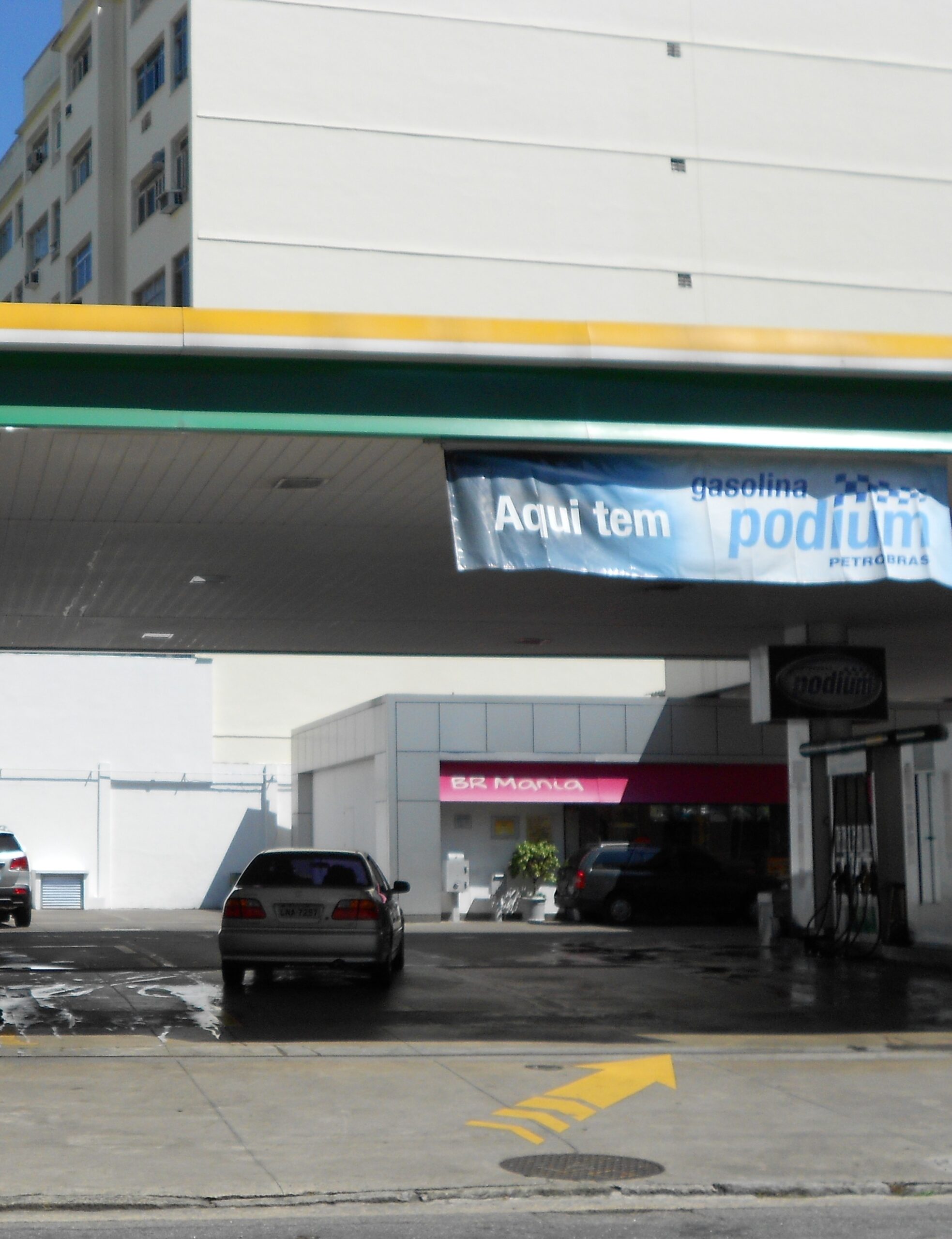
A higher ethanol mix kicked in on 1 August
As of Saturday 1 August 2026, every liter of regular petrol sold in Brazil carries a little more ethanol. The mandatory share of anhydrous ethanol – ethanol with the water removed, so it can be mixed into petrol – rose from 30% to 32%, moving the country from the familiar E30 blend to E32.
Service stations began dispensing the updated fuel without any change in pump labelling for drivers of flexible-fuel cars.
The new rule applies nationwide and covers all regular gasoline sold to consumers. No action is needed from motorists: filling up works exactly as before.
The blend is added before the fuel is delivered to service stations, so it reaches every pump automatically. It applies to ordinary petrol nationwide; additive and premium grades are sold alongside it at higher prices.
Not every forecourt switches on day one. The ANP is holding off on enforcement for 15 days for distributors and 30 days for filling stations – 30 and 60 days respectively in the North – so petrol already blended at 30% can legally be sold through the changeover.
The decision came from Brazil’s energy policy council
The increase was approved on Tuesday 14 July 2026 by a formal resolution of the Conselho Nacional de Política Energética (CNPE) — Brazil’s National Energy Policy Council. The council is the country’s top decision-making body on energy matters.
The measure is Resolução CNPE no. 9/2026, cleared by presidential despacho and published in an extra edition of the Diário Oficial da União on 30 July 2026, in force from 1 August. It covers ordinary petrol and additive-treated ordinary petrol; premium petrol keeps its 25% ethanol share.
What is clear is that the council’s decision is the legal instrument that put E32 into effect from the start of August.
Pump prices are expected to dip by about R$0.03 per liter
Officials have put the saving at about R$0.03 (three centavos) a litre – a figure given to reporters by the energy minister after the 14 July meeting rather than published in a written ministry release, and carried since by CNN Brasil, SBT News and Valor. Several news outlets — including SBT News, Valor Internacional and CNN Brasil — reported the same figure, attributing it to official government projections.
To put that in perspective, the national average price of ordinary petrol was R$6.56 a litre in the week of 26 July to 1 August 2026, according to the weekly forecourt survey run by the ANP, Brazil’s fuel regulator (Síntese Semanal no. 31/2026). A reduction of R$0.03 is therefore very small, around half a percentage point.
Whether motorists actually notice the difference will depend on local station pricing and other factors like oil prices, the exchange rate and tax adjustments, none of which can be predicted for August.
The new blend rule lasts six months, with a possible extension
The CNPE resolution is designed as a temporary measure. It is valid for 180 days from 1 August 2026 — roughly six months.
There is a single option to extend the mandate for another 180 days, which would take the E32 regime to a full year if the government decides to renew it.
This sunset clause means the 32% ethanol share is not permanent. After 180 days the council would have to renew the measure for E32 to stay in force. The government frames the temporary window as a way to use domestic ethanol to soften pump prices and reduce the need for imported gasoline while global oil markets remain unsettled.
Legal clouds remain, but the rollout goes ahead
Even as E32 flows from pumps, the measure faces a legal challenge. Brazil’s Federal Prosecution Service (Ministério Público Federal) filed a public civil action seeking to suspend the blend increase, arguing that sufficient technical studies had not been carried out.
The MME, however, stated it would keep the 1 August deadline while contesting the case in court.
For now, the government’s implementation schedule is on track. The government has given no indication of supply problems since the change took effect.
The legal dispute could still alter the timeline later, but as of the effective date, drivers across Brazil are already running on the new, slightly higher-ethanol gasoline.
Frequently Asked Questions
What is Brazil’s ethanol blend now?
Regular petrol sold in Brazil contains 32% anhydrous ethanol, up from 30%. The change took effect on 1 August 2026 and runs for 180 days, with one possible extension of the same length.
Does it make petrol cheaper or more expensive?
Cheaper, slightly. The government estimates about R$0.03 less per litre.
Brazil’s average pump price in the last week of July 2026 was R$6.56 a litre, so the effect is a fraction of one percent and will be swamped by oil prices, the exchange rate and taxes.
Do drivers need to do anything?
No. The ethanol is blended before the fuel reaches the station, and pump labelling is unchanged.
Nearly all cars sold in Brazil are flex-fuel, meaning they run on petrol, ethanol or any mixture of the two, and they take the new blend without adjustment. Government road tests found no difference in performance or cold starting in older petrol-only cars and motorcycles either.
Sources: CNPE / Ministério de Minas e Energia, ANP – fuel price survey, Rio Times – the decision in July
Correction, 2 August 2026: An earlier version gave the national average pump price as R$6.60 a litre for the week of 26 July to 1 August. The ANP’s Síntese Semanal no. 31/2026 puts that week at R$6.56, and the FAQ has been brought to the same week. An earlier version also said the decision carried no resolution number; it is Resolução CNPE no. 9/2026, published on 30 July. The enforcement grace period and the premium-grade exemption have been added.
Connected Coverage
Brazil State Companies Lose Record US$1.54B in Six Months
Festival Mundial de Circo Brings Free Circus to Belo Horizonte
This article was drafted with automated assistance and reviewed before publication. How we use AI · Report an error
Read More from The Rio Times