IBOV 166,934.20 ▼ 0.10% IPSA 11,042.67 ▲ 0.39% IPC MEX 64,397.45 ▼ 0.66% MERVAL 2,947,349 ▼ 1.77% COLCAP 2,452.46 ▲ 0.84% BVL PERÚ 58,104.31 ▲ 0.40% USD/BRL5.21▲ 0.47% USD/MXN17.02▼ 0.08% USD/CLP914.45▼ 0.02% USD/COP3,141▼ 0.15% USD/PEN3.37▼ 0.21% USD/ARS1,488▼ 0.28% USD/UYU40.33▲ 1.50% USD/PYG5,984▲ 2.22% USD/BOB11.54▼ 0.69% USD/DOP58.45▲ 0.55% USD/CRC446.12▲ 0.91% USD/GTQ7.62▲ 2.25% USD/HNL26.79▲ 0.54% USD/NIO36.62▲ 0.63% USD/VES769.14▼ 0.13% USD/PAB1.00— 0.00% USD/BZD2.00— 0.00% USD/JMD 157.28 — 0.00% USD/TTD6.70▲ 0.74% EUR/BRL6.05▲ 1.03% BRENT 88.88 ▼ 0.03% WTI 83.11 ▼ 0.11% IRON ORE 161.91 — — COPPER 6.61 ▲ 0.03% GOLD 4,461 ▲ 1.78% SILVER 65.59 ▲ 1.26% SOY 1,184 ▲ 3.20% CORN 480.50 ▲ 10.02% WHEAT 655.00 ▲ 3.93% COFFEE 317.25 ▼ 5.51% SUGAR 16.43 ▼ 1.79% ORANGE JUICE 138.55 ▼ 0.47% COTTON 85.03 ▲ 2.33% COCOA 5,719 ▲ 3.18% BEEF 223.60 ▼ 3.93% CATTLE 339.10 ▼ 3.16% LITHIUM 75.20 ▲ 1.47% PETR4 41.64 ▼ 0.05% VALE3 72.97 ▲ 0.83% ITUB4 38.60 ▼ 1.03% BBDC4 16.85 ▲ 0.36% ABEV3 14.89 ▼ 0.80% BBAS3 19.37 ▲ 0.47% B3SA3 14.26 ▼ 0.21% WEGE3 47.59 ▲ 0.49% PRIO3 59.14 ▼ 0.19% SUZB3 41.33 ▲ 2.35% RENT3 34.68 ▼ 0.09% AZZA3 15.89 ▼ 2.63% CSAN3 3.22 ▼ 1.83% RAIZ4 0.25 — 0.00% PCAR3 2.75 ▼ 0.36% GMAT3 3.65 ▼ 1.08% PSSA3 48.13 ▼ 0.54% CVCB3 1.33 ▼ 2.92% POSI3 3.36 ▲ 2.44% SLCE3 13.34 ▲ 0.30% NATU3 8.14 ▼ 0.73% IBOV 166,934.20 ▼ 0.10% IPSA 11,042.67 ▲ 0.39% IPC MEX 64,397.45 ▼ 0.66% MERVAL 2,947,349 ▼ 1.77% COLCAP 2,452.46 ▲ 0.84% BVL PERÚ 58,104.31 ▲ 0.40% USD/BRL 5.16 ▲ 0.01% USD/MXN 17.06 ▼ 0.24% USD/CLP 913.98 ▲ 0.04% USD/COP 3,140 ▲ 0.03% USD/PEN 3.36 ▼ 0.66% USD/ARS 1,493 ▲ 0.10% USD/UYU 40.27 ▲ 1.24% USD/PYG 5,939 ▲ 1.68% USD/BOB 11.64 ▼ 0.76% USD/DOP 58.34 ▲ 1.25% USD/CRC 445.92 ▲ 0.89% USD/GTQ 7.62 ▲ 2.21% USD/HNL 26.79 ▲ 1.57% USD/NIO 36.62 ▲ 0.69% USD/VES 762.44 ▼ 0.13% USD/PAB 1.00 — 0.00% USD/BZD 2.00 — 0.00% USD/JMD 157.28 — 0.00% USD/TTD 6.70 ▲ 0.61% EUR/BRL 5.95 ▲ 1.01% BRENT 88.88 ▼ 0.03% WTI 83.11 ▼ 0.11% IRON ORE 161.91 — — COPPER 6.61 ▲ 0.03% GOLD 4,461 ▲ 1.78% SILVER 65.59 ▲ 1.26% SOY 1,184 ▲ 3.20% CORN 480.50 ▲ 10.02% WHEAT 655.00 ▲ 3.93% COFFEE 317.25 ▼ 5.51% SUGAR 16.43 ▼ 1.79% ORANGE JUICE 138.55 ▼ 0.47% COTTON 85.03 ▲ 2.33% COCOA 5,719 ▲ 3.18% BEEF 223.60 ▼ 3.93% CATTLE 339.10 ▼ 3.16% LITHIUM 75.20 ▲ 1.47% PETR4 41.64 ▼ 0.05% VALE3 72.97 ▲ 0.83% ITUB4 38.60 ▼ 1.03% BBDC4 16.85 ▲ 0.36% ABEV3 14.89 ▼ 0.80% BBAS3 19.37 ▲ 0.47% B3SA3 14.26 ▼ 0.21% WEGE3 47.59 ▲ 0.49% PRIO3 59.14 ▼ 0.19% SUZB3 41.33 ▲ 2.35% RENT3 34.68 ▼ 0.09% AZZA3 15.89 ▼ 2.63% CSAN3 3.22 ▼ 1.83% RAIZ4 0.25 — 0.00% PCAR3 2.75 ▼ 0.36% GMAT3 3.65 ▼ 1.08% PSSA3 48.13 ▼ 0.54% CVCB3 1.33 ▼ 2.92% POSI3 3.36 ▲ 2.44% SLCE3 13.34 ▲ 0.30% NATU3 8.14 ▼ 0.73%
since 2009
Sunday, August 16, 2026

Brazil Business - Brazil

Amazon: Brazil and Germany to Cooperate for Sustainable Production

By · December 11, 2019 · 3 min read

Daily Brief

The morning intel from across Latin America. Free.

By subscribing you agree to our privacy policy. We never share your email.

RIO DE JANEIRO, BRAZIL – Brazil’s Ministry of Agriculture, Livestock and Supply is going to establish the Social and Environmental Adequacy Index to qualify the meat, soy and wood production chains in the states of Amazonas, Mato Grosso, Pará, Rondônia, and Tocantins.

The initiative, to favor the conservation of the Amazon Forest, is part of a technical cooperation project between Brazil and Germany for the period between 2020 and 2024.

According to the minister, people must be brought in and made aware that technology will give them an income. (Photo: Internet Reproduction)
One-stop reference
Company Intelligence
Every listed company in Latin America — financials, ownership and structure for 1,450+ companies across 26 exchanges, in one place.
Browse the directory →
RT
Ask Rio Times
Latin American markets, currencies and companies.
Open the full Ask Rio Times →

The index will be based on the National Rural Environmental Registry System (CAR), provided for in the Brazilian Forestry Code, the transition guides for controlling the circulation of animals raised for beef, and information from monitoring the exploitation of slave-like labor.

The cooperation agreement, signed on Monday, December 9th, at the Ministry’s headquarters in Brasília, involves a German donation of €25.5 million (US$28.3 million) and a counterpart of €12 million from the Brazilian government.

According to Minister Tereza Cristina, the project aims to “create tools to monitor the social and environmental situation of these production chains, generate added value to the products of sectors with good indices of sustainability and provide technical and managerial assistance to producers with low indices of sustainability”.

“Whoever is doing well, will gain momentum to have more quality and income. Those who are below the acceptable indicators will need to have the help of the State and technical assistance to go beyond this line, to be productive,” explained Minister Tereza Cristina.

According to the minister, people must be brought in and made aware that technology will give them an income.

“With this income, it will be possible for them to preserve and enjoy another standard of living, but within technology,” the minister said, emphasizing that the goal is not to exclude any producer, but to ensure that everyone works with no deforestation, with sustainability and respecting the laws.

New meat

The project begins with a focus on meat production in the states of the Legal Amazon region. “This cooperation agreement is very important for cattle ranching. I want to baptize it as ‘new meat’,” said Tereza Cristina. According to the minister, the initiative will help producers and open up markets.

Germany’s ambassador to Brazil, Georg Witshel, acknowledged that the free trade agreement with Mercosur will increase Brazil’s meat exports to the European Union. According to him, this trade depends on respect for the rules of the Paris Agreement (2015), which, among other things, provides protection against climate change.

“We endorse the Ministry’s efforts to develop technological solutions and promote a rural extension of excellence, with the aim of improving sustainability in agricultural production. We are confident that this will improve the positioning and market opportunities for Brazil’s agricultural products and, at the same time, contribute to a pairing with the goals for the conservation of natural resources and the Amazon rainforest,” said the diplomat.
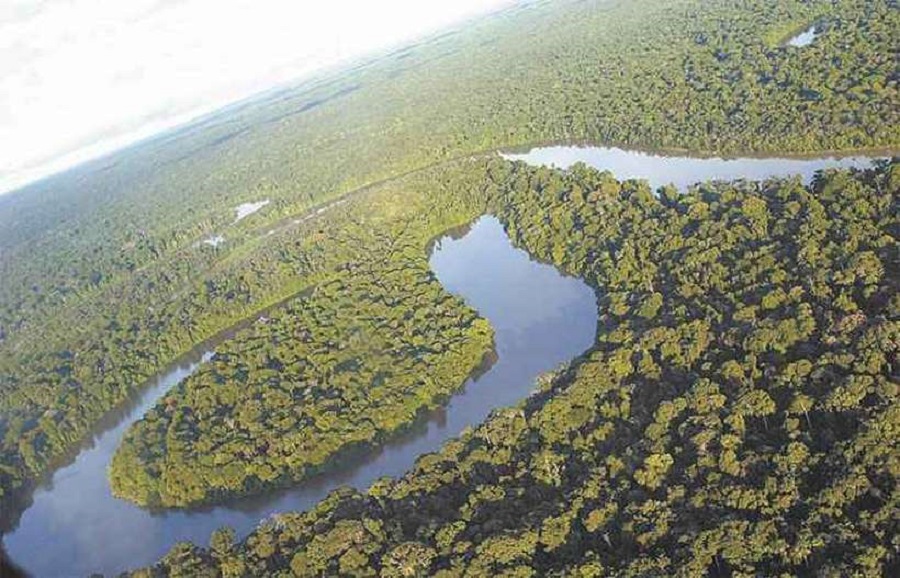
The goal is not to exclude any producer, but to ensure that everyone works with no deforestation, with sustainability and respecting the laws. (Photo: Internet Reproduction)

According to data from the Ministry of Economy, frozen beef is equivalent to 1.1 percent of Brazil’s exports to the European Union, cellulose to 6.2 percent, and soybeans to almost 13 percent – plus bran and residues from the extraction of soybean oil and crushed soybeans, according to data from 2018.

This article was produced by The Rio Times’ automated newsroom system. How we use AI · Report an error

Read More from The Rio Times

The Rio Times · Power Map
See who really holds power in Latin America
Click to open the Power Map

Rotate for Best Experience

This report is optimized for landscape viewing. Rotate your phone for the full experience.