Anger Over Controversial Indictment of Journalist Glenn Greenwald in Brazil
RIO DE JANEIRO, BRAZIL – Following the indictment of investigative journalist Glenn Greenwald for “cybercrime” and association with a criminal organization, judges and international press organizations have called on the Brazilian Prosecutor’s Office to drop the charges. Greenwald as well as renowned attorneys speak of political retaliation for critical reporting and question the impartiality of the Brazilian judiciary.
In its indictment, the Brazilian Federal Prosecutor’s Office (MPF) accuses Greenwald of having supported, encouraged and controlled a group of hackers in order to gain access to the cell phone of Prosecutor Deltan Dallagnol, the leading investigator in the Lava Jato corruption case and chief prosecutor against ex-president Luiz Inácio Lula da Silva, in June 2019. According to the public prosecutor in charge, Wellington Divino de Oliveira, the Pulitzer Prize winner wanted to gain a financial advantage with this. Therefore he was part of a “criminal organization”.
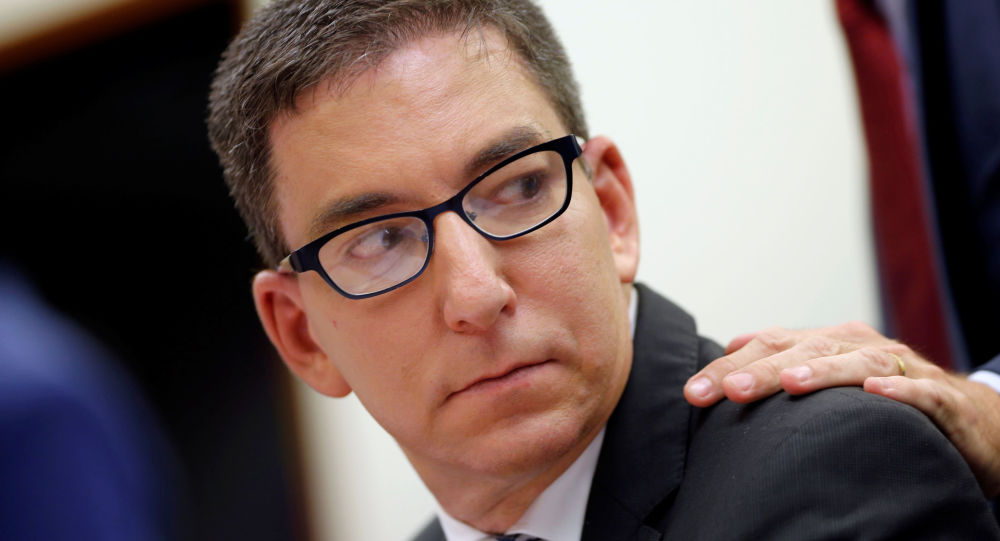
Greenwald described the charges as “abuse of power” by the Prosecutor’s Office. He condemned the indictment on his Twitter referring to Sérgio Moro’s acts as an “attack on the free press, pushed by an ultra-right-wing judge”. Moro had once led the prosecution of Lula da Silva and was appointed Minister of Justice under the incumbent President Jair Bolsonaro.
In Greenwald’s opinion, the allegations are a direct attempt at intimidation, the prosecution’s retaliation following his disclosures of illegal collusion between the former federal judge, Bolsonaro’s current Justice Minister, and prosecutor Dallagnol.
In an interview with the Brazilian magazine ‘A Pública’, Greenwald described the attacks on himself and his family in the wake of the revelations as “more direct, more drastic and more violent than those I witnessed in the Snowden case”.
Over 40 international organizations have now called on the Brazilian authorities to drop the charges against their colleague. “The accusations are a reaction to critical reporting by Greenwald and The Intercept Brasil”, read the statement, supported by Freedom of the Press Foundation, Human Rights Watch, Pen International and Reporters Without Borders.
Former and incumbent federal judges, as well as former justice ministers, also support the view of abuse of power by the Prosecutor’s Office. “The prosecution is unique. It appears to be political retaliation for the disclosures [about the collusion] in the Lava-Jato trials and a consequence of the federal prosecutor’s anger,” said former Supreme Court Justice Gilson Dipp.
Supreme Court Justice Marco Aurélio Mello deems the charges “problematic because they attack the freedom of the press”, the daily ‘O Globo’ quotes him as saying. “I would never conduct a trial against a journalist … With the indictment you indirectly restrict freedom of opinion. The ban on the obligation to inform is also a social step backwards”. Nevertheless, Mello said that there are colleagues who accept charges against journalists.
For former justice minister José Carlos Dias (1999-2000), the indictment has a clear “political nature”. Prosecutor Wellington Divino de Oliveira aims to “intimidate and silence the free press”, said Dias, who is also chairman of the renowned Arns Human Rights Commission for monitoring democracy. “In the Greenwald case, one can even speak of the criminal offence of abuse of power by the authorities,” he added. “The judge in charge would be well advised to drop the case against the journalist”.
Dias complained of “penetration into Brazilian institutions by conservative and [right-wing] radical circles”. The Prosecutor’s Office – as well as the judicial system – was by no means impartial towards the government. “This is where the different interests of Justice Minister Moro and President Bolsonaro converge,” Dias told the daily El País Brasil.
Brazil’s President Jair Bolsonaro threatened the openly homosexual Greenwald in August 2019 following the disclosures about his Justice Minister Sérgio Moro: “Glenn need not fear that we will deport him. But maybe he will spend some time with us behind bars”.
Originally, the Prosecutor’s Office was only after six people who are said to have been involved in hacking federal prosecutor Deltan Dalagnoll’s telegram account. After examining a telephone conversation in June 2019 between Greenwald and one of the accused, a few days before the first publication by The Intercept, it has now also indicted Greenwald.
The right-wing prosecutor Divino de Oliveira argues in his indictment that Greenwald “directly supported, encouraged and controlled the criminal group during its criminal activity, acting as a guarantor of the group in order to obtain a financial advantage with the behavior described here”.
Divino de Oliveira bases this accusation on the telephone conversation between Greenwald and the contact person of the hacker group, Luiz Molição. The police had found the recording on one of the hackers’ confiscated computers. In this contact, Molição first explains to the journalist about the hack and the material obtained and then presents Greenwald with the possibility of publishing it. As the conversation continues, the parties involved never discuss money, a transcript of which was published by the daily Folha de São Paulo. Greenwald is also cautious. He further assures that he will protect the source’s confidentiality. The “journalistic ethos” obliges him to do so and is protected by the constitution. Finally, Greenwald is said to have advised the hacker to destroy the material already submitted to him.
According to the MPF, this agreement represents Greenwald’s “clear criminal involvement”. Although Greenwald had expressed himself cautiously, he tried to pervert the idea of journalistic source protection by investigating criminals, Divino de Oliveira said in the indictment.
With this view, the prosecutor disregards higher authorities and ignores previous investigation results. As early as August 2019, Justice Gilmar Mendes of the Supreme Court (STF) issued a temporary injunction prohibiting authorities from investigating Greenwald or prosecuting him for publications. Mendes referred to the protection provided by the constitution. Furthermore, investigations conducted by the Federal Police (PF) have already shown that there is no evidence “of the moral or material involvement of journalist Greenwald in the crimes”. Nor were economic interests involved. This would have been of criminal relevance, according to the PF’s final report.
Investigative journalist Greenwald had become internationally known in 2013 when, together with whistleblower Edward Snowden, he disclosed the worldwide surveillance and espionage practices of the British and US secret services.
The publication of the leaked communication on The Intecept Brasil from June 2019 onwards suggested that Moro and Dallagnol were abusing their offices and, under the pretext of fighting corruption, were often violating rule of law principles in order to encourage a change of government.
More: Brazil news in English, every day from The Rio Times.
This article was produced by The Rio Times’ automated newsroom system. How we use AI · Report an error · Editorial responsibility: Matthias Camenzind, Editor-in-Chief