Brazil Liberates Sale of Cannabis-based Products in Pharmacies
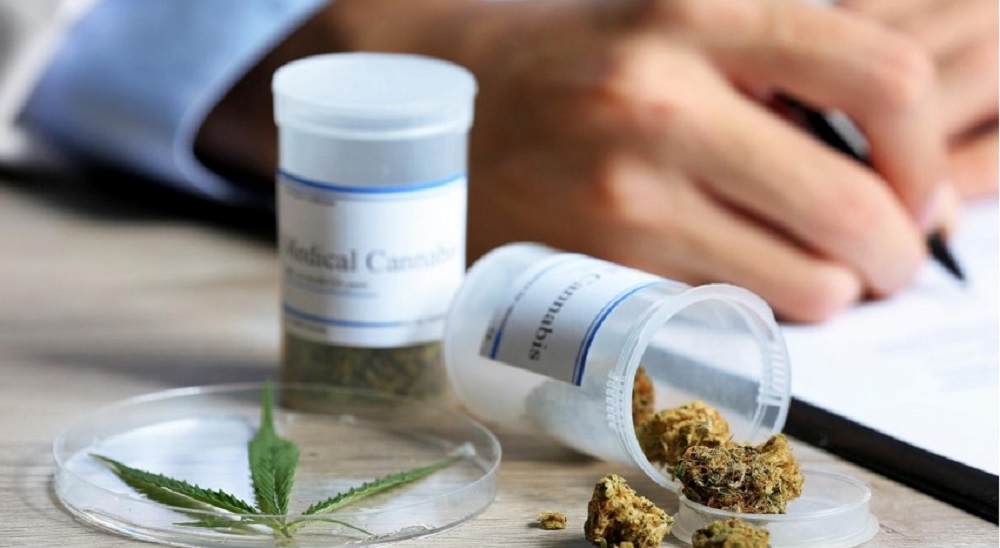
RIO DE JANEIRO, BRAZIL – The National Health Surveillance Agency (ANVISA) approved on Tuesday, December 3rd, the release of the sale in pharmacies of cannabis-based products for medicinal use in Brazil.
The regulation was approved unanimously and is temporary, valid for three years.

In the same meeting of the body’s board of directors, the cultivation of marijuana for medicinal purposes in Brazil was rejected, by 3 votes to 1.
With the decision, manufacturers wishing to enter the market will need to import the plant extract.
Regarding the sale in pharmacies, the norm becomes valid 90 days after its publication in the Federal Gazette. According to the resolution, the products released may be for oral and nasal use, in tablet or liquid form, in addition to oily solutions.
Active ingredients
Cannabis sativa is the name of the plant from which substances such as cannabidiol (CBD) and tetrahydrocannabinol (THC) can be extracted. Cannabidiol is used as a painkiller or relaxant in therapies.
On the other hand, THC is the main toxic and psychotropic element of the plant, which alters brain functions and leads to the effects of the consumption of marijuana, an illegal drug in Brazil. However, studies suggest that THC can also be used as an active ingredient for medicinal purposes.
The regulation prevents cannabis from being manipulated in compounding pharmacies. Marketing may only be carried out in non-compounding pharmacies and drugstores, which will sell the finished products on prescription.
The ANVISA resolution introduces a new class of products subject to health surveillance: “cannabis-based product”. In other words, during the three years of validity, the products will not yet be classified as medicines.
The approved regulation states that cannabis products still need to undergo technical and scientific tests to ensure their efficacy, safety, and potential harm before they can be elevated to the level of medicine.
The three-year interval to validate the rule was suggested by director Fernando Mendes, on the grounds that there is still no proof of the effectiveness of treatments based on the products. “There is no evidence of low risk in the use of these products,” he said.
After this period, a new resolution should be issued. The products released by ANVISA can be either manufactured in Brazil or imported.
The regulation demands that the manufacturing companies have:
- a Certificate of Good Manufacturing Practices (issued by ANVISA);
- special authorization for its operation;
- knowledge of the concentration of the main cannabinoids present in the product’s formula;
- technical documentation of product quality;
- operational conditions to carry out quality control analyses of products within the Brazilian territory.
In a note, ANVISA said that the producers that chose to buy the product abroad “should import the semi-finished raw material, and not the plant or a part of it”.
The statement goes on: “The proposed regulation refers this activity to the current import rules and other regulations related to the control of entry and exit points for any narcotic, psychotropic or precursor product, regardless of whether it is a raw material or a finished product”.
In addition, according to the rule, “in order to enable the full monitoring of batches of imported cannabis products and medicines, the entry points of the products into the national territory have been limited”.
Labels
The resolution approved this Tuesday by ANVISA provides that product labels cannot contain:
- the terms drug, medicine, herbal medicine, supplement, natural or any other similar terms;
- any indication as to its intended use, particularly including therapeutic claims;
- geographical names, symbols, figures or any indication that might lead to misinterpretation.
Source: Globo
More: Brazil news in English, every day from The Rio Times.
This article was produced by The Rio Times’ automated newsroom system. How we use AI · Report an error · Editorial responsibility: Matthias Camenzind, Editor-in-Chief