IBOV 171,906.72 ▲ 0.51% IPSA 11,537.98 ▲ 1.76% IPC MEX 66,105.23 ▲ 0.57% MERVAL 2,995,129 ▲ 2.81% COLCAP 2,510.72 ▲ 2.09% BVL PERÚ 60,222.25 ▼ 0.17% USD/BRL5.16▲ 0.40% USD/MXN16.94▲ 0.19% USD/CLP911.58▼ 0.37% USD/COP3,055▲ 0.40% USD/PEN3.35▼ 0.02% USD/ARS1,509▲ 0.63% USD/UYU40.18▼ 0.03% USD/PYG5,989▼ 0.11% USD/BOB11.44▲ 0.09% USD/DOP58.34▼ 0.53% USD/CRC446.05▼ 0.89% USD/GTQ7.62▼ 0.04% USD/HNL26.82▲ 0.02% USD/NIO36.62— 0.00% USD/VES783.11▲ 0.53% USD/PAB1.00— 0.00% USD/BZD2.00— 0.00% USD/JMD 157.28 — 0.00% USD/TTD6.72▲ 0.25% EUR/BRL6.01▲ 0.23% BRENT 88.88 ▼ 0.03% WTI 83.11 ▼ 0.11% IRON ORE 161.91 — — COPPER 6.61 ▲ 0.03% GOLD 4,461 ▲ 1.78% SILVER 65.59 ▲ 1.26% SOY 1,184 ▲ 3.20% CORN 480.50 ▲ 10.02% WHEAT 655.00 ▲ 3.93% COFFEE 317.25 ▼ 5.51% SUGAR 16.43 ▼ 1.79% ORANGE JUICE 138.55 ▼ 0.47% COTTON 85.03 ▲ 2.33% COCOA 5,719 ▲ 3.18% BEEF 223.60 ▼ 3.93% CATTLE 339.10 ▼ 3.16% LITHIUM 75.20 ▲ 1.47% PETR4 41.64 ▼ 0.05% VALE3 72.97 ▲ 0.83% ITUB4 38.60 ▼ 1.03% BBDC4 16.85 ▲ 0.36% ABEV3 14.89 ▼ 0.80% BBAS3 19.37 ▲ 0.47% B3SA3 14.26 ▼ 0.21% WEGE3 47.59 ▲ 0.49% PRIO3 59.14 ▼ 0.19% SUZB3 41.33 ▲ 2.35% RENT3 34.68 ▼ 0.09% AZZA3 15.89 ▼ 2.63% CSAN3 3.22 ▼ 1.83% RAIZ4 0.25 — 0.00% PCAR3 2.75 ▼ 0.36% GMAT3 3.65 ▼ 1.08% PSSA3 48.13 ▼ 0.54% CVCB3 1.33 ▼ 2.92% POSI3 3.36 ▲ 2.44% SLCE3 13.34 ▲ 0.30% NATU3 8.14 ▼ 0.73% IBOV 171,906.72 ▲ 0.51% IPSA 11,537.98 ▲ 1.76% IPC MEX 66,105.23 ▲ 0.57% MERVAL 2,995,129 ▲ 2.81% COLCAP 2,510.72 ▲ 2.09% BVL PERÚ 60,222.25 ▼ 0.17% USD/BRL 5.16 ▲ 0.01% USD/MXN 17.06 ▼ 0.24% USD/CLP 913.98 ▲ 0.04% USD/COP 3,140 ▲ 0.03% USD/PEN 3.36 ▼ 0.66% USD/ARS 1,493 ▲ 0.10% USD/UYU 40.27 ▲ 1.24% USD/PYG 5,939 ▲ 1.68% USD/BOB 11.64 ▼ 0.76% USD/DOP 58.34 ▲ 1.25% USD/CRC 445.92 ▲ 0.89% USD/GTQ 7.62 ▲ 2.21% USD/HNL 26.79 ▲ 1.57% USD/NIO 36.62 ▲ 0.69% USD/VES 762.44 ▼ 0.13% USD/PAB 1.00 — 0.00% USD/BZD 2.00 — 0.00% USD/JMD 157.28 — 0.00% USD/TTD 6.70 ▲ 0.61% EUR/BRL 5.95 ▲ 1.01% BRENT 88.88 ▼ 0.03% WTI 83.11 ▼ 0.11% IRON ORE 161.91 — — COPPER 6.61 ▲ 0.03% GOLD 4,461 ▲ 1.78% SILVER 65.59 ▲ 1.26% SOY 1,184 ▲ 3.20% CORN 480.50 ▲ 10.02% WHEAT 655.00 ▲ 3.93% COFFEE 317.25 ▼ 5.51% SUGAR 16.43 ▼ 1.79% ORANGE JUICE 138.55 ▼ 0.47% COTTON 85.03 ▲ 2.33% COCOA 5,719 ▲ 3.18% BEEF 223.60 ▼ 3.93% CATTLE 339.10 ▼ 3.16% LITHIUM 75.20 ▲ 1.47% PETR4 41.64 ▼ 0.05% VALE3 72.97 ▲ 0.83% ITUB4 38.60 ▼ 1.03% BBDC4 16.85 ▲ 0.36% ABEV3 14.89 ▼ 0.80% BBAS3 19.37 ▲ 0.47% B3SA3 14.26 ▼ 0.21% WEGE3 47.59 ▲ 0.49% PRIO3 59.14 ▼ 0.19% SUZB3 41.33 ▲ 2.35% RENT3 34.68 ▼ 0.09% AZZA3 15.89 ▼ 2.63% CSAN3 3.22 ▼ 1.83% RAIZ4 0.25 — 0.00% PCAR3 2.75 ▼ 0.36% GMAT3 3.65 ▼ 1.08% PSSA3 48.13 ▼ 0.54% CVCB3 1.33 ▼ 2.92% POSI3 3.36 ▲ 2.44% SLCE3 13.34 ▲ 0.30% NATU3 8.14 ▼ 0.73%
since 2009
Tuesday, August 25, 2026

Brazil Business - Brazil

Argentina’s Economic Woes Could Reduce Brazil’s 2019 GDP Growth by 0.5 Percent

By · September 20, 2019 · 3 min read

Daily Brief

The morning intel from across Latin America. Free.

By subscribing you agree to our privacy policy. We never share your email.

SÃO PAULO, BRAZIL – The Argentine crisis is having a strong impact on Brazilian Gross Domestic Product (GDP). The reason for this is the forty percent drop in Brazilian exports to Argentina in the first eight months of 2019 compared to the same period last year, say economist at the Brazilian Institute of Economics (IBRE).

Brazil,Argentina is one Brazil's main trading partners, and its economic crisis may affect Brazil's GDP.
Argentina is one Brazil’s main trading partners, and its economic crisis may affect Brazil’s GDP, photo courtesy of Fundacao FHC.
One-stop reference
Company Intelligence
Every listed company in Latin America — financials, ownership and structure for 1,450+ companies across 26 exchanges, in one place.
Browse the directory →
RT
Ask Rio Times
Latin American markets, currencies and companies.
Open the full Ask Rio Times →

“If it were not for the Argentine crisis, Brazilian GDP could grow 1.6 percentage points by the end of 2019,” say economists Luana Miranda and Mayara Santiago, from the Getúlio Vargas Foundation (FGV) economic policy and public policy’s think tank, IBRE.

According to the study, the crisis in the neighboring country should remove 0.5 percentage point of national GDP this year, which forecasts predict will grow around 1.1 percent. Argentina is Brazil’s third largest trading partner, behind China and the United States.

Since the middle of 2018, the economy of our neighbors to the south has faced serious difficulties. With foreign financial conditions worsening, Argentina was hit particularly hard, due to its fiscal and external deficits and a large debt in foreign currency.

In the past 14 months, the country has experienced recession, a surge in inflation, currency devaluation, rising debt and an increase in unemployment. To make matters worse, a new shock occurred with the opposition’s broad leadership in presidential polls last month, which led to a total mismatch in asset values and a significant worsening of the country’s prospective macroeconomic scenario.

Data produced by FGV/IBRE, show that Brazilian exports to Argentina began to decline in the second quarter of last year, with the most significant impact being felt from the third quarter of 2018 on. The steepest decline so far was registered in the first quarter of 2019.

And although much is known about the importance of Argentina to Brazilian auto exports the authors of the study say Brazil’s export agenda to its neighboring country goes far beyond trade in the automobile industry.

According to the FGV/IBRE economists, possible new surges of tension associated with the political scenario in Argentina due to the upcoming elections and the possible worsening of the country’s macroeconomic projections should be closely monitored by Brazilian economists and exporters, given the relevance of Argentina to Brazil’s economic growth.

“A significant part of what is exported from Brazil to Argentina is composed of industrial components, like parts and pieces to enter the production chain of the Argentine industry,” say the economists.
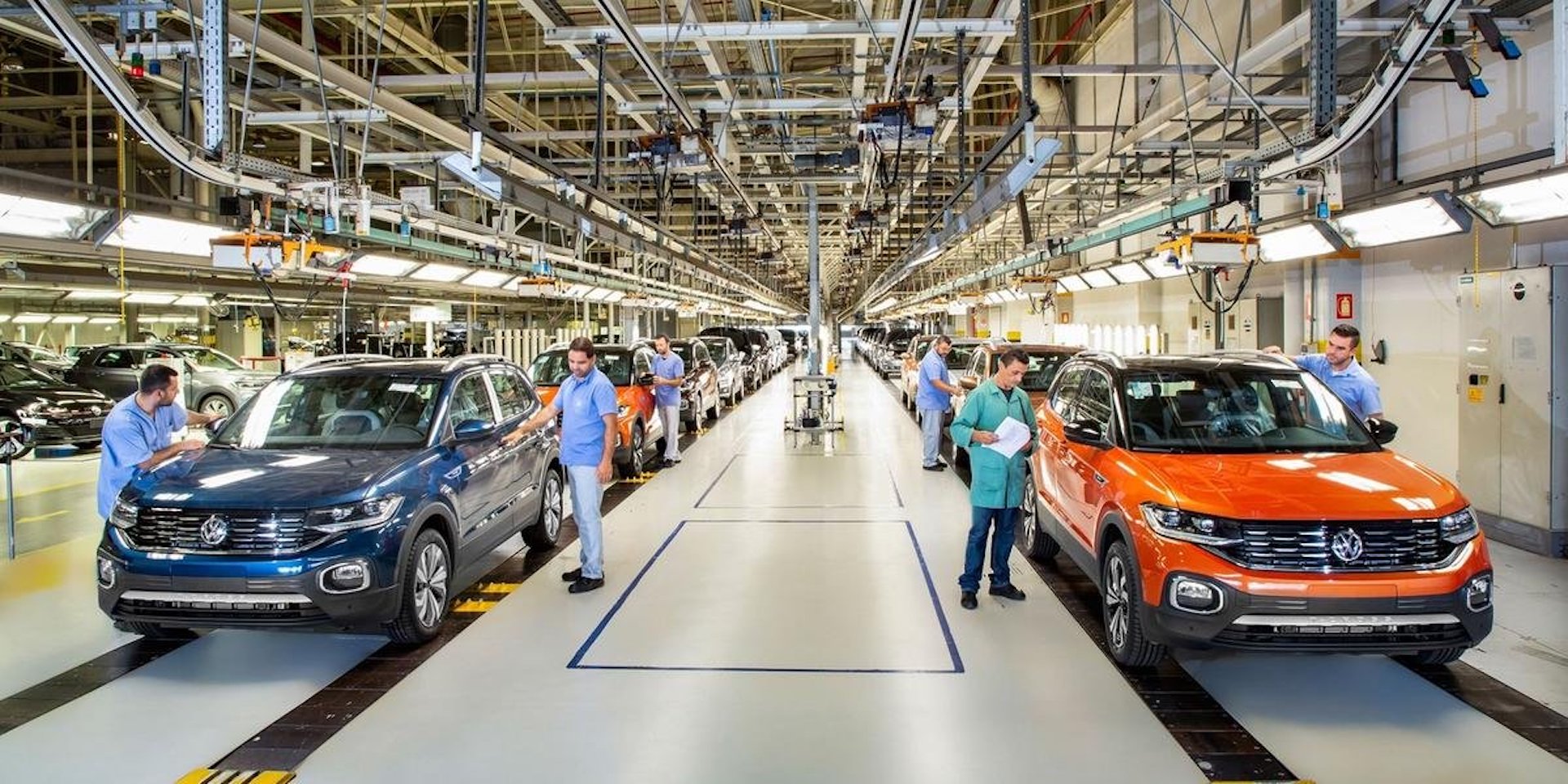
Brazil,Argentina is one of the main buyers of Brazilian autos, which may be hurt by Argentina's economic crisis.
Argentina is one of the main buyers of Brazilian autos, which may be hurt by Argentina’s economic crisis, photo courtesy of Volkswagen.

According to them, around 90 percent of what Brazil sells to Argentina are industrial products, of which 57.4 percent intermediate goods used by Argentine industries.

While most economists believe that Argentina’s economic woes are likely to affect Brazilian economic growth due to the reduction of export demand, the Bolsonaro government is certain that Brazil’s economy will continue to show positive results in the upcoming quarters.

“I’m not afraid of either Argentina’s balance sheet or the eventual fall of a giant out there. I don’t think it will affect our growth momentum,” said Brazil’s Economy Minister, Paulo Guedes, during a seminar in São Paulo last month.

Read More from The Rio Times

The Rio Times · Power Map
See who really holds power in Latin America
Click to open the Power Map

Rotate for Best Experience

This report is optimized for landscape viewing. Rotate your phone for the full experience.