Brazil Averages 40,000 New HIV Cases Yearly, Different Subvirus Types Found in South Region
RIO DE JANEIRO, BRAZIL – Brazil had an average of 40,000 new cases of the disease in the past five years, with a higher concentration in the Southeast and South regions. In 2018, however, new infections were significantly higher at 53,000.
Understanding how the AIDS virus subtypes, HIV, act among Brazilians, is among the goals of a study developed by researchers from the Federal University of São Carlos (UFSCar) and the University of Minho (UMinho), in Portugal.

Why is this research important? The diversity of human immunodeficiency virus type 1 (HIV-1) has given rise to multiple subtypes and recombinant strains. The majority of research into antiretroviral agents and drug resistance has been performed on subtype B viruses, yet non-subtype B strains are responsible for 90 percent of global infections.
Although it seems that combination antiretroviral regimens are effective against all HIV-1 subtypes, there is emerging evidence of subtype differences in drug resistance, relevant to antiretroviral strategies in different parts of the world. For this purpose, extensive sampling of HIV genetic diversity, curation and analyses are required to inform antiretroviral strategies in different parts of the world.
And indeed. The first stage of the Brazilian/Portuguese project has confirmed data from scientific literature that point to a concentration of the C subtype (and not B) in the southern region of the country, while the B type is more widespread in other regions throughout the country.
“We already have information on the origin of the subtype C virus, which is African, it has settled in the South of the country and is having difficulty circulating outside the South Region. This is a preliminary version of our findings, we are digging into this for a better understanding,” said Professor Bernardino Geraldo Alves Souto, from the Department of Medicine (DMed) of UFSCar
Souto, who develops the research in the postdoctoral stage, explains that it is possible that subtype C has affinities with certain cells of the human body that are different from those observed in subtype B.
“There are places where, from a social-behavioral perspective, most HIV infections are transmitted through the anal route, probably in these areas subtype B prevails. Those in which transmission is more pronounced by the vaginal route are those in which subtype C prevails. Not only that, but a set of sociocultural and behavioral events, which are related to the genetic characteristics of the virus, determines a certain affinity of the virus for certain human cells”, explained Souto.
There are two types of HIV, 1 and 2. The most prevalent in Brazil is type 1, which has nine subtypes.
“There are small genetic variations that exist within the same viral species that makes them have minor characteristics that differentiate one from another,” says the researcher. The subtypes B and C account for approximately 80 percent of the cases in Brazil.
Souto said that all HIV subtypes are transmitted the same way – sexual intercourse without a condom, sharing contaminated syringes and needles, breastfeeding, pregnancy and childbirth.
Among these routes, however, some more easily transmit one subtype than another. This is due to genetic-based biological characteristics that are particular to each subtype, and are still poorly understood.
The researcher points out that the detailing of these data allows, for instance, to identify the prevalence of HIV subtypes and better define prevention and treatment policies.
“There is a national HIV control policy of excellent quality, there is nothing to discuss, but when we find out that there are specific regional issues, we may have to take these national protocols, which are standardized, make some adjustments and optimize the preventive and therapeutic approaches,” he said.
Some Statistics
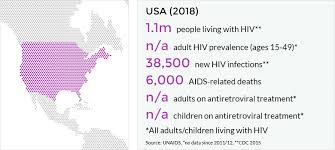
According to the United Nations Programme on HIV (UNAIDS), in 2019, there are 37.9 million people infected with the virus in the world, of whom 23.3 million have access to antiretroviral therapy. Of the total number of infected people in the world, 36.2 million are adults and 1.7 million are children and youths under the age of 15.
In Brazil, the latest Epidemiological Bulletin of the Health Surveillance Secretariat of the Ministry of Health, released in 2018, shows that, between 2007 and 2018, 247,795 cases of AIDS (68.6 percent in men and 31.4 percent in women) were reported by the Information System for Notifiable Diseases (SINAN).
More: Brazil news in English, every day from The Rio Times.
This article was produced by The Rio Times’ automated newsroom system. How we use AI · Report an error · Editorial responsibility: Matthias Camenzind, Editor-in-Chief