Brazil Is Fifth Largest Holder of US Treasury Bonds
RIO DE JANEIRO, BRAZIL – Of the total US$334.2 billion that Brazil held in international reserves by the end of May this year, some US$264.4 billion were allocated in US Treasury bonds. It is the fifth-largest holder of Treasury bonds in the world.
The leader is Japan, which passed China in May 2019 and currently holds approximately US$1.272 trillion in US government bonds, according to the most recent data released by the US Treasury Department.

In the second place, the Chinese economy holds about US$1.082 trillion of its international reserves in Treasuries. The United Kingdom and Ireland come next, with shares of US$395.3 billion and US$271.5 billion, respectively.
Together, Japan and China represent US$ 2.353 trillion or 34.6 percent of US debt belonging to foreign countries.
The US debt securities market has been growing for years. Recent spending on the coronavirus pandemic will increase the country’s deficit in 2020 to US$3.7 trillion, suggesting that the Treasury should continue selling Treasury bonds in the medium term at least.
Currently, the US Treasury bond market totals US$25.7 trillion, but less than US$7 trillion is held by international investors such as Brazil. US investors, the Federal Reserve, and other parts of the US government hold some 70 percent of that country’s entire national debt.
The Cayman Islands hold a high share of Treasuries, US$207.2 billion, or 3.04 percent of all foreign holders, despite being a very small country. Because it is a “tax haven,” there are many foreigners investing there.
“Brazil, because it has very high reserves, ends up having a larger share of the American debt market than other Latin American countries,” says Marcel Balassiano, a researcher in the applied economics area at the Brazilian Institute of Economics (IBRE), Getulio Vargas Foundation (FGV).
In addition to Brazil, only Mexico and Chile hold significant Treasury shares in the region. The former holds a US$40.9 billion share in US Treasury bonds, while the latter holds US$30.1 billion.
These are much lower amounts than Brazil’s share, but the international reserves of these countries are also lower – Mexico’s is around US$186.7 billion, while Chile’s is around US$36.8 billion.
“The main reason for holding reserves is the international market fluctuations, particularly the financial ones. In the current crisis, for instance, what reaction did we see from the financial market? It doesn’t want instability, it wants security,” said Simão Silber, a Ph.D. professor at the School of Economics, Business and Accounting at the University of São Paulo (FEA-USP).
“When the country has problems, this is the cash it keeps in dollars. Emerging countries learned the value of holding a reserve after major traumas in the late 1970s and early 1980s, then with the Asian crisis in the 1990s and then with Russia’s moratorium, for instance”.
“Everybody figured out they needed to have a liquidity cushion. Before the 2008 crisis, when the market was booming and everyone was optimistic, the emerging central banks, particularly Brazil’s, seized the opportunity to create this security cushion,” Silber explained.
With interest rates still in double digits in Brazil and external optimism, many investors accepted the risk of investing here. Consequently, the strong inflow of dollars in the country created an excess of liquidity, and the Central Bank went shopping to build up its emergency reserve and maintain market stability.
“Brazil was reliable, a lot of money went into the stock market and bonds, and the Central Bank bought over US$300 billion. It was a strategic decision. It was a premonition. Nobody knew that in late 2019 and early 2020 the perfect storm was going to hit. The current scenario is one of a very damaged economy by the pandemic, but there is no risk of the country’s collapse, given that we have a reserve of over US$300 billion,” Silber said.
“International investors are fleeing from risk and have taken the money from emerging countries, such as Brazil. So, in order not to produce a shortage of dollars in the country, the Central Bank is able to use its international reserves to provide the required liquidity for market balance. If it were not for that, the dollar, which has already risen to close to R$6, could be at a much higher level,” added the professor.
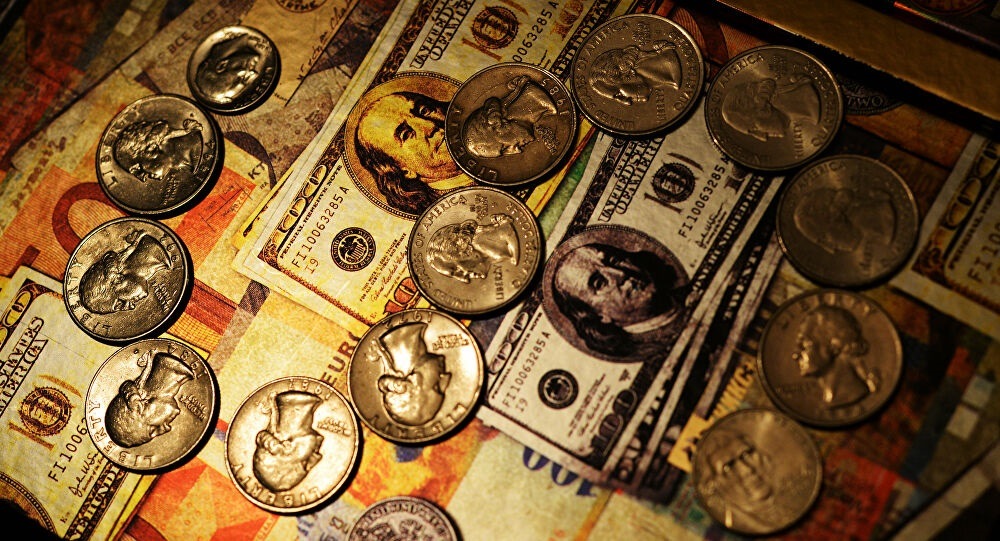
Countries hold a good part of their international reserves in US Treasury bonds and bonds of other developed economies, such as the United Kingdom and Japan, because they are classified by the risk agencies as “triple-A” (maximum possible rating, with the lowest risk of default).
“In other words, they are the safest investments in existence and, therefore, the Central Bank has its cash flow yielding interest in dollars and other currencies stronger than the real in markets that are quite liquid. If the Central Bank needs the money on the spot, it can sell the bonds very quickly,” Silber concluded.
Source: Infomoney
More: Brazil news in English, every day from The Rio Times.
This article was produced by The Rio Times’ automated newsroom system. How we use AI · Report an error · Editorial responsibility: Matthias Camenzind, Editor-in-Chief