IBOV 171,906.72 ▲ 0.51% IPSA 11,537.98 ▲ 1.76% IPC MEX 66,105.23 ▲ 0.57% MERVAL 2,995,129 ▲ 2.81% COLCAP 2,510.72 ▲ 2.09% BVL PERÚ 60,222.25 ▼ 0.17% USD/BRL5.16▲ 0.40% USD/MXN16.94▲ 0.20% USD/CLP911.58▼ 0.37% USD/COP3,056▲ 0.45% USD/PEN3.35▼ 0.08% USD/ARS1,509▲ 0.63% USD/UYU40.18▼ 0.03% USD/PYG5,989▼ 0.11% USD/BOB11.44▲ 0.09% USD/DOP58.07▼ 0.99% USD/CRC446.05▼ 0.89% USD/GTQ7.62▼ 0.04% USD/HNL26.82▲ 0.02% USD/NIO36.62— 0.00% USD/VES782.70▲ 0.48% USD/PAB1.00— 0.00% USD/BZD2.00— 0.00% USD/JMD 157.28 — 0.00% USD/TTD6.72▲ 0.25% EUR/BRL6.01▲ 0.27% BRENT 88.88 ▼ 0.03% WTI 83.11 ▼ 0.11% IRON ORE 161.91 — — COPPER 6.61 ▲ 0.03% GOLD 4,461 ▲ 1.78% SILVER 65.59 ▲ 1.26% SOY 1,184 ▲ 3.20% CORN 480.50 ▲ 10.02% WHEAT 655.00 ▲ 3.93% COFFEE 317.25 ▼ 5.51% SUGAR 16.43 ▼ 1.79% ORANGE JUICE 138.55 ▼ 0.47% COTTON 85.03 ▲ 2.33% COCOA 5,719 ▲ 3.18% BEEF 223.60 ▼ 3.93% CATTLE 339.10 ▼ 3.16% LITHIUM 75.20 ▲ 1.47% PETR4 41.64 ▼ 0.05% VALE3 72.97 ▲ 0.83% ITUB4 38.60 ▼ 1.03% BBDC4 16.85 ▲ 0.36% ABEV3 14.89 ▼ 0.80% BBAS3 19.37 ▲ 0.47% B3SA3 14.26 ▼ 0.21% WEGE3 47.59 ▲ 0.49% PRIO3 59.14 ▼ 0.19% SUZB3 41.33 ▲ 2.35% RENT3 34.68 ▼ 0.09% AZZA3 15.89 ▼ 2.63% CSAN3 3.22 ▼ 1.83% RAIZ4 0.25 — 0.00% PCAR3 2.75 ▼ 0.36% GMAT3 3.65 ▼ 1.08% PSSA3 48.13 ▼ 0.54% CVCB3 1.33 ▼ 2.92% POSI3 3.36 ▲ 2.44% SLCE3 13.34 ▲ 0.30% NATU3 8.14 ▼ 0.73% IBOV 171,906.72 ▲ 0.51% IPSA 11,537.98 ▲ 1.76% IPC MEX 66,105.23 ▲ 0.57% MERVAL 2,995,129 ▲ 2.81% COLCAP 2,510.72 ▲ 2.09% BVL PERÚ 60,222.25 ▼ 0.17% USD/BRL 5.16 ▲ 0.01% USD/MXN 17.06 ▼ 0.24% USD/CLP 913.98 ▲ 0.04% USD/COP 3,140 ▲ 0.03% USD/PEN 3.36 ▼ 0.66% USD/ARS 1,493 ▲ 0.10% USD/UYU 40.27 ▲ 1.24% USD/PYG 5,939 ▲ 1.68% USD/BOB 11.64 ▼ 0.76% USD/DOP 58.34 ▲ 1.25% USD/CRC 445.92 ▲ 0.89% USD/GTQ 7.62 ▲ 2.21% USD/HNL 26.79 ▲ 1.57% USD/NIO 36.62 ▲ 0.69% USD/VES 762.44 ▼ 0.13% USD/PAB 1.00 — 0.00% USD/BZD 2.00 — 0.00% USD/JMD 157.28 — 0.00% USD/TTD 6.70 ▲ 0.61% EUR/BRL 5.95 ▲ 1.01% BRENT 88.88 ▼ 0.03% WTI 83.11 ▼ 0.11% IRON ORE 161.91 — — COPPER 6.61 ▲ 0.03% GOLD 4,461 ▲ 1.78% SILVER 65.59 ▲ 1.26% SOY 1,184 ▲ 3.20% CORN 480.50 ▲ 10.02% WHEAT 655.00 ▲ 3.93% COFFEE 317.25 ▼ 5.51% SUGAR 16.43 ▼ 1.79% ORANGE JUICE 138.55 ▼ 0.47% COTTON 85.03 ▲ 2.33% COCOA 5,719 ▲ 3.18% BEEF 223.60 ▼ 3.93% CATTLE 339.10 ▼ 3.16% LITHIUM 75.20 ▲ 1.47% PETR4 41.64 ▼ 0.05% VALE3 72.97 ▲ 0.83% ITUB4 38.60 ▼ 1.03% BBDC4 16.85 ▲ 0.36% ABEV3 14.89 ▼ 0.80% BBAS3 19.37 ▲ 0.47% B3SA3 14.26 ▼ 0.21% WEGE3 47.59 ▲ 0.49% PRIO3 59.14 ▼ 0.19% SUZB3 41.33 ▲ 2.35% RENT3 34.68 ▼ 0.09% AZZA3 15.89 ▼ 2.63% CSAN3 3.22 ▼ 1.83% RAIZ4 0.25 — 0.00% PCAR3 2.75 ▼ 0.36% GMAT3 3.65 ▼ 1.08% PSSA3 48.13 ▼ 0.54% CVCB3 1.33 ▼ 2.92% POSI3 3.36 ▲ 2.44% SLCE3 13.34 ▲ 0.30% NATU3 8.14 ▼ 0.73%
since 2009
Monday, August 24, 2026

Brazil Life & Society

Brazil Is Main Market for ‘Highly Dangerous’ Agrochemicals

By · February 26, 2020 · 3 min read

Daily Brief

The morning intel from across Latin America. Free.

By subscribing you agree to our privacy policy. We never share your email.

RIO DE JANEIRO, BRAZIL – Brazil tops the list of recipients of agrochemical products classified as “highly dangerous,” accounting for about US$3.3 billion in 2018, according to the non-governmental organization (NGO) Unearthed.

“Brazil buys more pesticides than any other country. The approval of new pesticides by Brazilian regulators, including those containing HHPs (highly hazardous pesticides), has grown under the governments of Michel Temer and Jair Bolsonaro,” said Unearthed, which is funded by the NGO Greenpeace in a partnership with the Swiss NGO Public Eye.

Brazil tops the list of recipients of agrochemical products classified as “highly dangerous.” (Photo Internet Reproduction)
One-stop reference
Company Intelligence
Every listed company in Latin America — financials, ownership and structure for 1,450+ companies across 26 exchanges, in one place.
Browse the directory →
RT
Ask Rio Times
Latin American markets, currencies and companies.
Open the full Ask Rio Times →

An analysis of a vast database of the world’s best-selling “crop protection products” in 2018 showed that the world’s leading agrochemical companies made over 35 percent of their sales from pesticides classified as “highly dangerous” to people, animals or ecosystems.

The investigation found that 41 percent of the leading products of BASF, Bayer, Corteva, FMC and Syngenta agrochemical giants – companies part of the influential agribusiness and agrochemical trade association ‘CropLife International’ – contained at least one HHP.

In addition, more than a billion dollars of these companies’ sales came from chemicals – some now banned in European markets – that are highly toxic to bees. More than two-thirds of these sales were made in countries with emerging economies, such as Brazil and India.

“By far the most valuable markets for the highly dangerous pesticides sold by these companies were soybeans and corn, grown largely to provide animal feed for the meat industry,” the NGO said.

The survey also pointed out that 27 percent of pesticides sold in wealthy countries are considered highly dangerous.

Unearthed, in partnership with Public Eye, analyzed data from the 43 countries using the most pesticides in the world, cross-referencing them with the list of highly dangerous products from the ‘Pesticide Action Network’ (PAN), a coalition of some 600 NGOs that oppose the use of pesticides.

According to the NGO, ‘CropLife International’ disputed the research and criteria used to define products as ‘highly dangerous’, and argued that HHPs are a “critical tool to fight crop loss” and should be used as a last resort to help farmers “produce enough food for a growing population”.
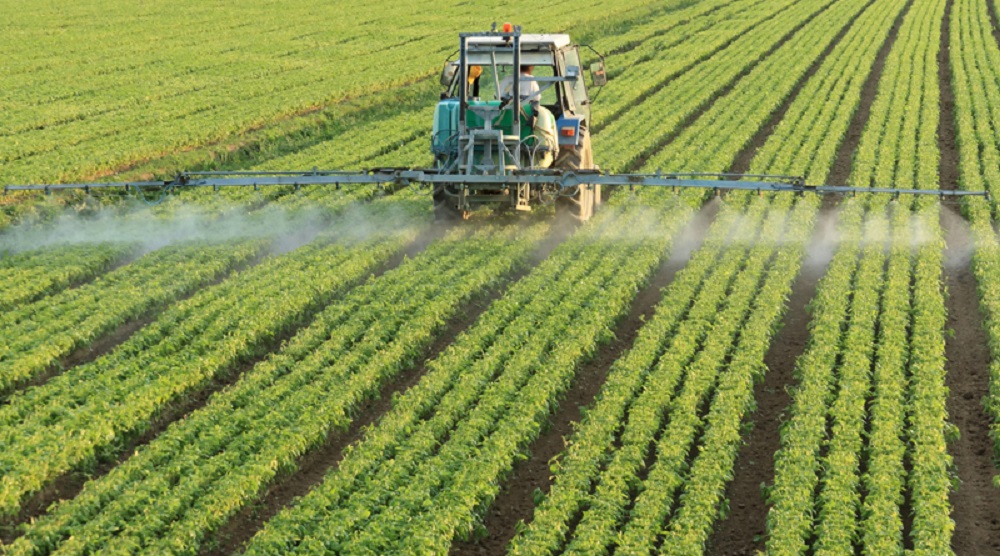
More than two-thirds of sales were made in countries with emerging economies, such as Brazil and India. (Photo Internet Reproduction)

The group argued that most HHPs sold in developing countries are not manufactured by their member companies and that the companies in ‘CropLife International’ have “led for a good example” through measures such as instructions on how to reduce the risks of using the substances.

However, in statements to Unearthed, the UN special rapporteur on human rights and toxic substances and waste, Baskut Tuncak, rejected the idea that the risks of HHPs could be safely managed.

“There is nothing sustainable about the widespread use of highly dangerous pesticides in agriculture. (…) If they poison workers, extinguish biodiversity, remain in the environment, or accumulate in breast milk, they are unsustainable, cannot be used safely, and should have been stopped long ago,” Tuncak said.

This article was produced by The Rio Times’ automated newsroom system. How we use AI · Report an error

Read More from The Rio Times

The Rio Times · Power Map
See who really holds power in Latin America
Click to open the Power Map

Rotate for Best Experience

This report is optimized for landscape viewing. Rotate your phone for the full experience.