Brazil to Advise BRICS Partners on Milk Bank Projects
RIO DE JANEIRO, BRAZIL – On Monday, November 18th, Angola will begin setting up a network of milk banks to assist mothers with children who are breastfeeding.
The country on the west coast of Africa is the 22nd to launch this initiative with the support and cooperation of Brazil, which initiated the implementation of milk banks in the mid-1980s and set up its own national network in 1998.

In Africa, the project is also operating in Cape Verde and Mozambique. It is also present in 17 Latin American countries and two European countries – Portugal and Spain.
The Brazilian expertise in international cooperation garnered the attention of the BRICS partners – an acronym formed by the initials of Brazil, Russia, India, China, and South Africa.
With Brazil’s pro tempore (temporary) presidency of the BRICS, it is expected that Brazil will start cooperating with its four partners in the group of emerging economy countries next year.
This is technical cooperation that does not involve the transfer of funds. The support ranges from project design, advice on the selection of hospitals involved in local networks, specification of equipment and training of personnel such as human milk processing, breastfeeding practices, and milk bank management.
According to Joao Aprigio Guerra de Almeida, Fiocruz researcher and coordinator of the Global Network of Human Milk Banks, formed at the request of the World Health Organization (WHO), the Brazilian advice does not dictate the creation of a milk bank in other countries, according to the Brazilian Agency.
“It is a SUS-Brazil export product. We do not transfer models, but rather principles and support in adapting to their realities. Brazilian cooperation is guided by important values such as horizontality, sharing, non-intervention, and respect for the independence of countries,” Almeida said.
The demand for cooperation with other BRICS members was formalized in a technical meeting held in August in Brasília and ratified in a meeting of the five countries’ ministers of health held in October in Curitiba.
National Campaign
According to the Ministry of Health’s 2019 National Breastfeeding Campaign, breastfeeding “prevents hunger and malnutrition in all its forms and ensures food security for infants, even in times of crisis and catastrophe”, and “is associated with better performance in intelligence tests, higher income, and higher productivity in adult life”.
There are benefits of breastfeeding in preventing diseases such as diabetes types I and II in children and breast cancer in mothers. All of this “lowers the cost of treatment in health systems,” the campaign reports.
The promotion of the advantages of breastfeeding and the establishment of milk banks are causes embraced by the Oswaldo Cruz Foundation (Fiocruz), which celebrates its 120th anniversary in 2020 and is headquartered in Rio de Janeiro.
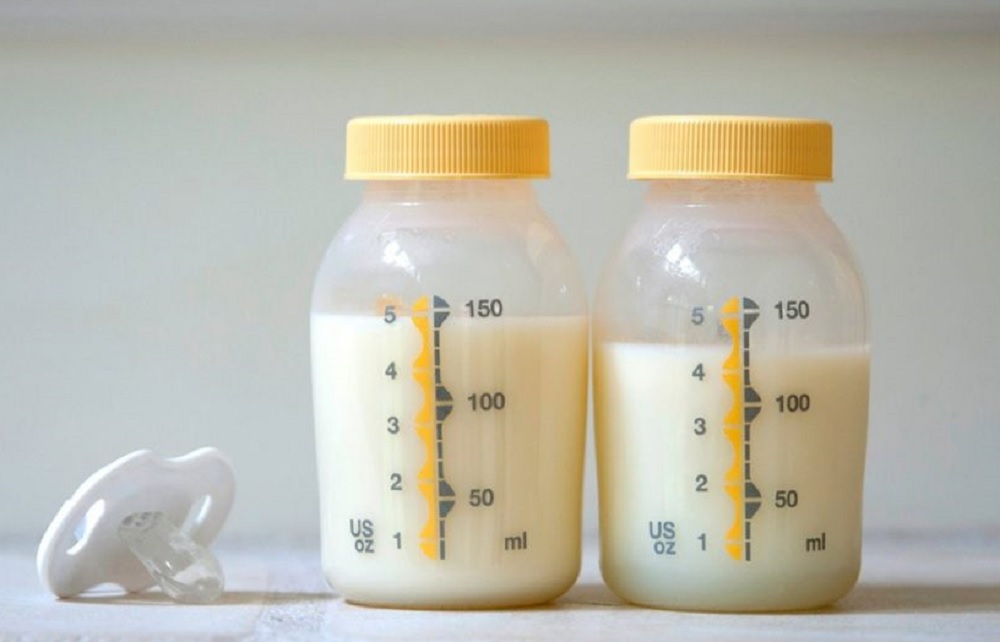
“Milk banks are breastfeeding support facilities; they are not human dairies. Our milk banks focus on obtaining milk for our premature babies. These children go home, and their mothers need support so they can be breastfed,” Aprigio said.
According to the researcher, breastfeeding is biologically determined but is socio-culturally conditioned. “What should be governed by the laws of biology, for some time now, which coincides with the milk industry, the laws of biology have been replaced by the laws of the market.”
Source: Agência Brasil
More: Angola news in English, every day from The Rio Times.
This article was produced by The Rio Times’ automated newsroom system. How we use AI · Report an error · Editorial responsibility: Matthias Camenzind, Editor-in-Chief
Great Powers in Africa
- Who Backs Whom in Africa 2026: China, Russia, US, Gulf
- Africa: The New Scramble
- DP World and AD Ports Drive Gulf States Africa Investment as Saudi Deals Follow
- China Slashes Africa Lending 46% as Kenya and Angola Race to Refinance Old Debts