Brazil’s Health Regulatory Agency Alerts to Rising Drug Counterfeiting in Pandemic
RIO DE JANEIRO, BRAZIL – The National Health Regulatory Agency (ANVISA) issued an alert on Friday, June 5th, about the increase in cases of falsification of medicinal products in Brazil in the first months of 2020. Among the counterfeits are drugs used to treat hepatitis C, flu vaccine, and drugs for growth disorders, obesity, and diabetes.
According to the agency, the increase in monitoring, coupled with the increase of online purchases during the novel coronavirus pandemic, are among the reasons for the rise in such occurrences.

The agency announced that five cases were recorded this year compared to three in 2018. Last year there were four. “The complaints were received in 2020. Based on the facts, ANVISA started investigation procedures with inspection by the states’ civil police. Although we found that, in some cases, the practice had been taking place since 2019, with the current pandemic situation, there was an increase in internet purchases, which favors the practice,” explains Mariana Collani, an expert in health regulation at ANVISA.
Falsification of medicinal products is considered a crime against public health, with a penalty of between 10 and 15 years of imprisonment and a fine, according to the Brazilian Criminal Code.
Mariana says the majority of counterfeits recorded this year were detected in drugs purchased through companies that provide assistance for imports and deliver them mainly for health care plans.
“Many cases of counterfeiting involve imports of drugs that have been handled by health care plans to comply with court rulings, through foreign trade advisory companies. In the current cases, there are 80 percent importing from advisory companies that have unqualified sources abroad to obtain a cheaper price than the registration holder would have in Brazil. If the import is needed, the health plan should contact the holder company in Brazil”.
“According to the document delivered to Gilead, the patient in Brazil was sent bottles of Harvoni whose batch Gilead does not recognize as legitimate. The counterfeit Harvoni bottles were purchased by an importer in Brazil, specifically and punctually for this patient through direct import”.
The National Supplemental Health Agency (ANS), which regulates private health insurance plans, stated that it will assess the case with ANVISA.
Furthermore, according to ANVISA’s expert, cases are more frequent with expensive drugs, but it believes that the population and health professionals are better prepared to identify counterfeit drugs.
“Consumers should only buy from pharmacies, and this also applies to the Internet, where pharmacies and drugstores must maintain a website with the domain ‘.com.br’. Never buy from individuals, on the streets, markets, or social media”, it recommends.
Three cases of fake flu vaccines
According to ANVISA, the Fluarix Tetra flu vaccine from GlaxoSmithKline Brasil (GSK) had three cases of counterfeiting this year. GSK reported that it received information in its customer service channel about counterfeit doses in Coxilha, a town in southern state Rio Grande do Sul, and, after investigating the situation, filed a complaint with the city’s Health Department.
“The vaccine logistics chain sold by GSK follows the terms specified in the product registration with ANVISA, according to good distribution practices and safety and quality standards required,” the company said in a statement.
In February and March, Novo Nordisk was alerted by a health professional about the potential falsification of drugs for growth disorders Norditropin FlexPro and Norditropin Simplexx, as the latter is not registered with ANVISA and cannot be marketed in Brazil.
The drugs Victoza and Saxenda, recommended for diabetes and obesity, respectively, were also falsified. In the false version, the drugs came in drops and capsules, whereas the original versions are subcutaneous.
“Any other presentations of these drugs, including capsule and drop forms, are not manufactured and/or distributed by Novo Nordisk. Without ANVISA registration, they are therefore characterized as confirmed cases of falsification”.
The agency also recorded two cases of falsification of the drug Defitelio (defibrotide), registered in Brazil by the company Zodiac Produtos Farmacêuticos. The drug is used by patients who have had complications after a stem cell transplant.
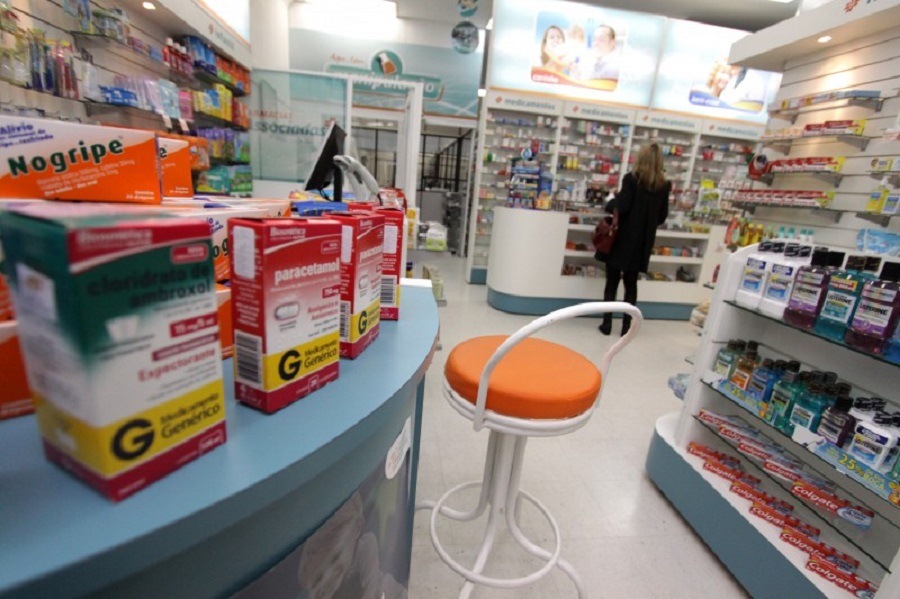
How to identify counterfeit drugs
According to Mariana, in addition to buying at an authorized location, consumers must observe the integrity of the safety seal, hologram, batch number, expiration date, and manufacturing. In the case of treatment with medicine, customers can compare the packages.
“On the outer package, look for mistakes in Portuguese, evidence that information has been erased, any glued label or failed print, and the label should be in Portuguese”.
More: Brazil news in English, every day from The Rio Times.
This article was produced by The Rio Times’ automated newsroom system. How we use AI · Report an error · Editorial responsibility: Matthias Camenzind, Editor-in-Chief