Brazil’s Indigenous Tribes Close Reservations Against Covid-19
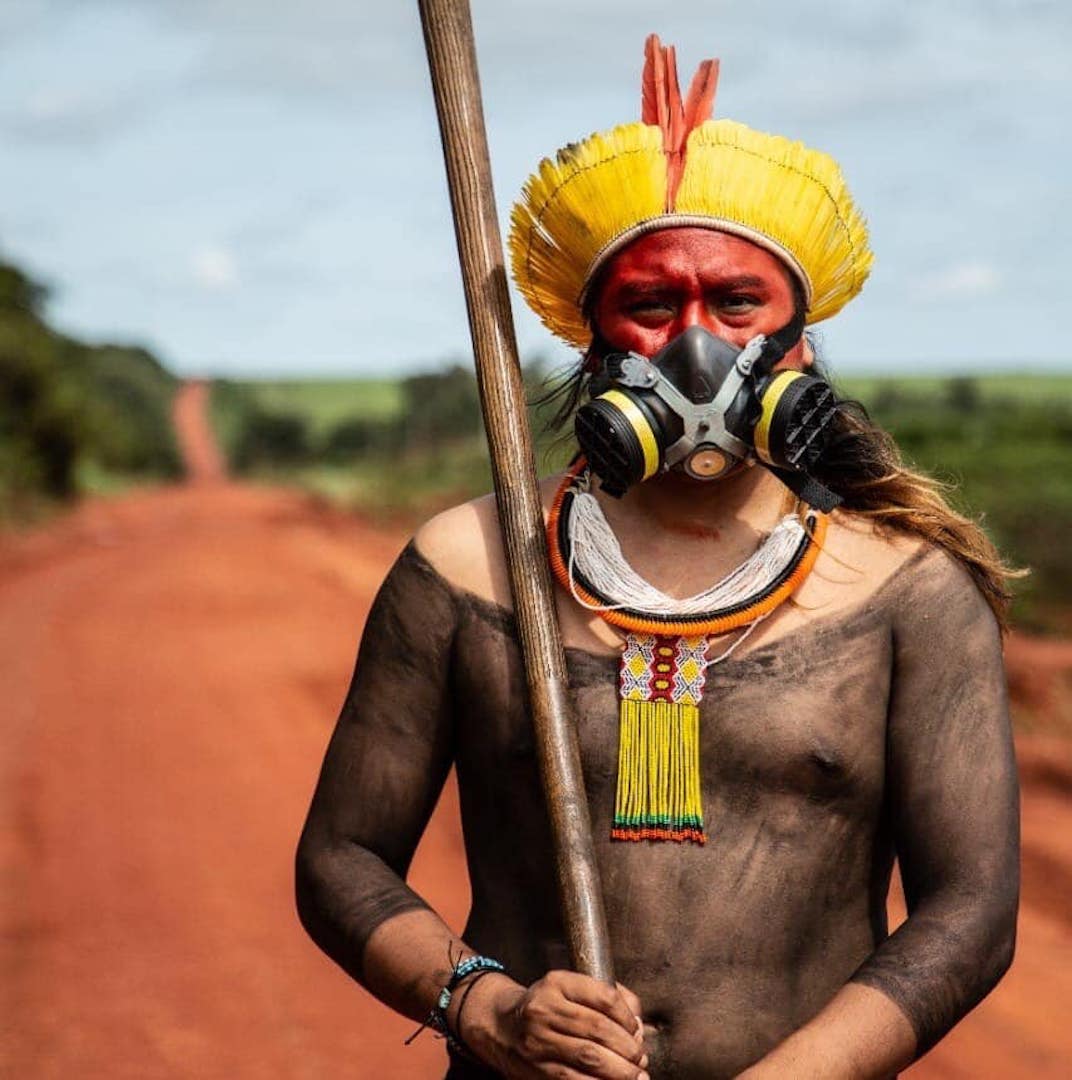
SÃO PAULO, BRAZIL – As the cases of Covid-19 rise in Brazil, indigenous leaders and those who work with the many indigenous communities in the country are extremely worried about what will happen if the virus reaches the reservations. Some tribe leaders have closed off all access to their territory in an attempt to keep the coronavirus out.

“Influenza, smallpox and measles were some of the diseases introduced into our territories by non-indigenous people and which exterminated many of our ancestors. Coronavirus is another one of these threats. It is necessary to have our looks directed at indigenous populations,” says activist, Sonia Guajajara, who in 2018 was the first indigenous person to run for a national executive office, when she was named as Guilherme Boulos’ running mate.
To try to halt the contamination by the virus, some tribes have started to halt any non-indigenous persons from entering their lands.
In the state of Roraima, eighteen indigenous communities have restricted access to their lands, according to the Roraima Indigenous Council (CIR). The president of Funai (National Indigenous Foundation), Marcelo Xavier, published ordinances that limit the access of the agency’s civilians and agents to essential activities. It has also suspended all authorizations to enter indigenous territory and the permits already granted are expected to be reevaluated.
Last week in Mato Grosso state, where 12 percent of the land has been demarked as indigenous territory, and is home to over 42,000 people, the main indigenous associations announced that they were suspending for the next 60 days external activities in the villages. The measure, say analysts, is comparable to the quarantines seen the large urban cities throughout Brazil.
“Many of our indigenous groups in Brazil today do not have immunity to deal with these new diseases. It is not unusual that even common colds are a risk factor for indigenous communities,” says Célia Xakriabá, a researcher, teacher and indigenous activist from the Xakriabá people of Brazil.
The fears by indigenous and those who work with them are not unfounded. Last week the Ministry of Health announced that a doctor, member of the Sesai group (indigenous health program created by the Ministry of Health) tested positive for the coronavirus. The doctor recently visited one of the largest indigenous ethnic groups in the Amazon region, the Tikuna tribe.
Now eight Tikuna members, who live in a group in the Southeast region of Amazonas state and had contact with the professional, are in isolation at home. The Tikuna people have a population of about 40,000 people, according to the 2010 IBGE Census, and live along the border between Brazil and Colombia and Peru.
In the Vale do Javari Indigenous Land, one of the most remote areas of the Amazon region, indigenous people, as well as students, teachers and employees of federal agencies who were visiting and working in the area, were asked to remain in the villages within the reservations indefinitely, and not return to urban areas.
The closing of the reservations, however, will not only halt people from entering and leaving, but will also halt economic activity, vital to the indigenous survival. To help reservations get through the health crisis, APIB (Brazil’s Indigenous Peoples Articulation) has started a virtual fundraiser.
“It is urgent that we focus our attention on indigenous peoples. The effects on us can be devastating! Our communal way of life could enable the fast spread of the virus in our territories if any of us get infected,” stated APIB on its fundraiser page. As of Sunday night, March 29th, the group had collected over R$42,000 worth of donations. Its target is R$100,000 (roughly US$20,000).
Earlier this month, the NGO announced it was postponing the Terra Livre Camp, the largest indigenous meeting in the country. The annual meeting, which would have taken place between April 27 and 30 in Brasília, gathers about 4,000 indigenous people from all over the country every year.
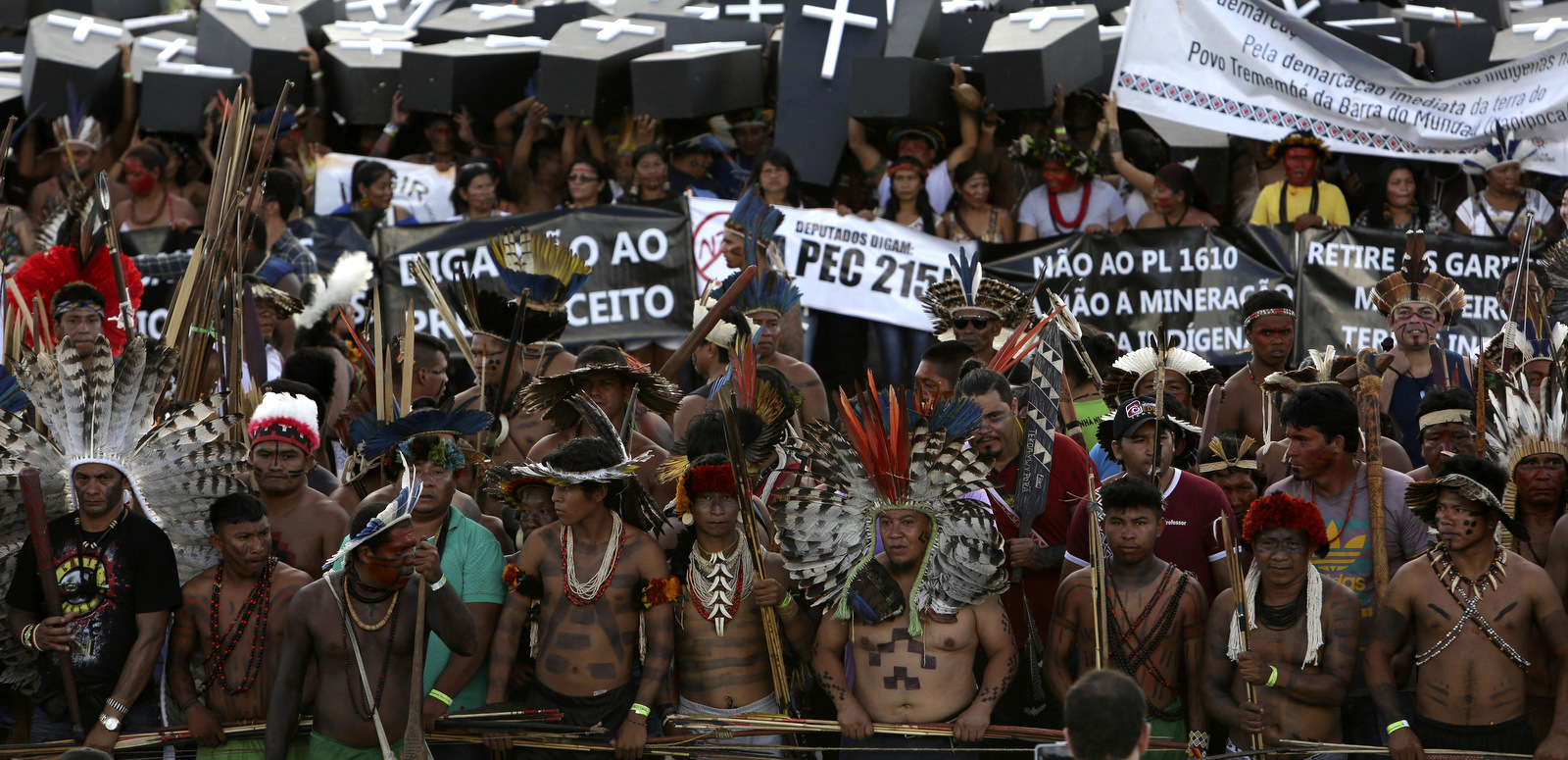
For many of those who work with these vulnerable communities, the ‘extermination’ of an ethnic group goes well beyond the death of hundreds of people.
“There is an incredible risk of the virus spreading through communities and causing genocide”, anthropologist Sofia Mendonça, current coordinator of the Xingu Project at Unifesp, told BBC.
“If everyone gets sick, and you lose all your elderly people, (you lose) all your wisdom and social organization. If that happens there will be a hole in the villages”, concludes Mendonça.
According to Brazil’s 2010 Census, about 0.47 percent of the Brazilian population is made up of indigenous people, over 890,000 people. According to Funai, there are 225 indigenous ethnic groups, and approximately 70 tribes living in isolated locations that have not yet been contacted. Indigenous reservations cover up 12.5 percent of Brazil’s territory.
More: Brazil news in English, every day from The Rio Times.
Editorial responsibility: Matthias Camenzind, Editor-in-Chief · Editorial standards · Report an error