IBOV 166,934.20 ▼ 0.10% IPSA 11,042.67 ▲ 0.39% IPC MEX 64,397.45 ▼ 0.66% MERVAL 2,947,349 ▼ 1.77% COLCAP 2,452.46 ▲ 0.84% BVL PERÚ 58,104.31 ▲ 0.40% USD/BRL5.21▼ 0.01% USD/MXN17.02▼ 0.01% USD/CLP914.45▼ 0.02% USD/COP3,134▼ 0.23% USD/PEN3.37▼ 0.01% USD/ARS1,488— 0.00% USD/UYU40.33— 0.00% USD/PYG5,984— 0.00% USD/BOB11.54— 0.00% USD/DOP58.45— 0.00% USD/CRC446.12— 0.00% USD/GTQ7.62— 0.00% USD/HNL26.79— 0.00% USD/NIO36.62— 0.00% USD/VES769.14▼ 0.32% USD/PAB1.00— 0.00% USD/BZD2.00— 0.00% USD/JMD 157.28 — 0.00% USD/TTD6.70— 0.00% EUR/BRL6.05▲ 1.03% BRENT 88.88 ▼ 0.03% WTI 83.11 ▼ 0.11% IRON ORE 161.91 — — COPPER 6.61 ▲ 0.03% GOLD 4,461 ▲ 1.78% SILVER 65.59 ▲ 1.26% SOY 1,184 ▲ 3.20% CORN 480.50 ▲ 10.02% WHEAT 655.00 ▲ 3.93% COFFEE 317.25 ▼ 5.51% SUGAR 16.43 ▼ 1.79% ORANGE JUICE 138.55 ▼ 0.47% COTTON 85.03 ▲ 2.33% COCOA 5,719 ▲ 3.18% BEEF 223.60 ▼ 3.93% CATTLE 339.10 ▼ 3.16% LITHIUM 75.20 ▲ 1.47% PETR4 41.64 ▼ 0.05% VALE3 72.97 ▲ 0.83% ITUB4 38.60 ▼ 1.03% BBDC4 16.85 ▲ 0.36% ABEV3 14.89 ▼ 0.80% BBAS3 19.37 ▲ 0.47% B3SA3 14.26 ▼ 0.21% WEGE3 47.59 ▲ 0.49% PRIO3 59.14 ▼ 0.19% SUZB3 41.33 ▲ 2.35% RENT3 34.68 ▼ 0.09% AZZA3 15.89 ▼ 2.63% CSAN3 3.22 ▼ 1.83% RAIZ4 0.25 — 0.00% PCAR3 2.75 ▼ 0.36% GMAT3 3.65 ▼ 1.08% PSSA3 48.13 ▼ 0.54% CVCB3 1.33 ▼ 2.92% POSI3 3.36 ▲ 2.44% SLCE3 13.34 ▲ 0.30% NATU3 8.14 ▼ 0.73% IBOV 166,934.20 ▼ 0.10% IPSA 11,042.67 ▲ 0.39% IPC MEX 64,397.45 ▼ 0.66% MERVAL 2,947,349 ▼ 1.77% COLCAP 2,452.46 ▲ 0.84% BVL PERÚ 58,104.31 ▲ 0.40% USD/BRL 5.16 ▲ 0.01% USD/MXN 17.06 ▼ 0.24% USD/CLP 913.98 ▲ 0.04% USD/COP 3,140 ▲ 0.03% USD/PEN 3.36 ▼ 0.66% USD/ARS 1,493 ▲ 0.10% USD/UYU 40.27 ▲ 1.24% USD/PYG 5,939 ▲ 1.68% USD/BOB 11.64 ▼ 0.76% USD/DOP 58.34 ▲ 1.25% USD/CRC 445.92 ▲ 0.89% USD/GTQ 7.62 ▲ 2.21% USD/HNL 26.79 ▲ 1.57% USD/NIO 36.62 ▲ 0.69% USD/VES 762.44 ▼ 0.13% USD/PAB 1.00 — 0.00% USD/BZD 2.00 — 0.00% USD/JMD 157.28 — 0.00% USD/TTD 6.70 ▲ 0.61% EUR/BRL 5.95 ▲ 1.01% BRENT 88.88 ▼ 0.03% WTI 83.11 ▼ 0.11% IRON ORE 161.91 — — COPPER 6.61 ▲ 0.03% GOLD 4,461 ▲ 1.78% SILVER 65.59 ▲ 1.26% SOY 1,184 ▲ 3.20% CORN 480.50 ▲ 10.02% WHEAT 655.00 ▲ 3.93% COFFEE 317.25 ▼ 5.51% SUGAR 16.43 ▼ 1.79% ORANGE JUICE 138.55 ▼ 0.47% COTTON 85.03 ▲ 2.33% COCOA 5,719 ▲ 3.18% BEEF 223.60 ▼ 3.93% CATTLE 339.10 ▼ 3.16% LITHIUM 75.20 ▲ 1.47% PETR4 41.64 ▼ 0.05% VALE3 72.97 ▲ 0.83% ITUB4 38.60 ▼ 1.03% BBDC4 16.85 ▲ 0.36% ABEV3 14.89 ▼ 0.80% BBAS3 19.37 ▲ 0.47% B3SA3 14.26 ▼ 0.21% WEGE3 47.59 ▲ 0.49% PRIO3 59.14 ▼ 0.19% SUZB3 41.33 ▲ 2.35% RENT3 34.68 ▼ 0.09% AZZA3 15.89 ▼ 2.63% CSAN3 3.22 ▼ 1.83% RAIZ4 0.25 — 0.00% PCAR3 2.75 ▼ 0.36% GMAT3 3.65 ▼ 1.08% PSSA3 48.13 ▼ 0.54% CVCB3 1.33 ▼ 2.92% POSI3 3.36 ▲ 2.44% SLCE3 13.34 ▲ 0.30% NATU3 8.14 ▼ 0.73%
since 2009
Sunday, August 16, 2026

Petrobras, Banco do Brasil, CSN: Are Their Shares Now Truly Bargains at B3?

By · April 1, 2020 · 4 min read

Daily Brief

The morning intel from across Latin America. Free.

By subscribing you agree to our privacy policy. We never share your email.

RIO DE JANEIRO, BRAZIL – While the list of companies traded at the B3 stock exchange, having a market value below their net worth, continues to grow, affected by the global coronavirus pandemic crisis, little by little the question also increases, of whether this picture is real .

Normally, when the ratio between share market value and book value is below one, meaning the market value is below the underlying book value, everything points to a time to buy. But now this certainty is starting to diminish.

Among the companies affected by the crisis and which are below the stock market price are names such as Petrobras, Banco do Brasil, the power companies Cemig, Light, Copel, and Eletrobras, the steel companies Gerdau and CSN, among others.
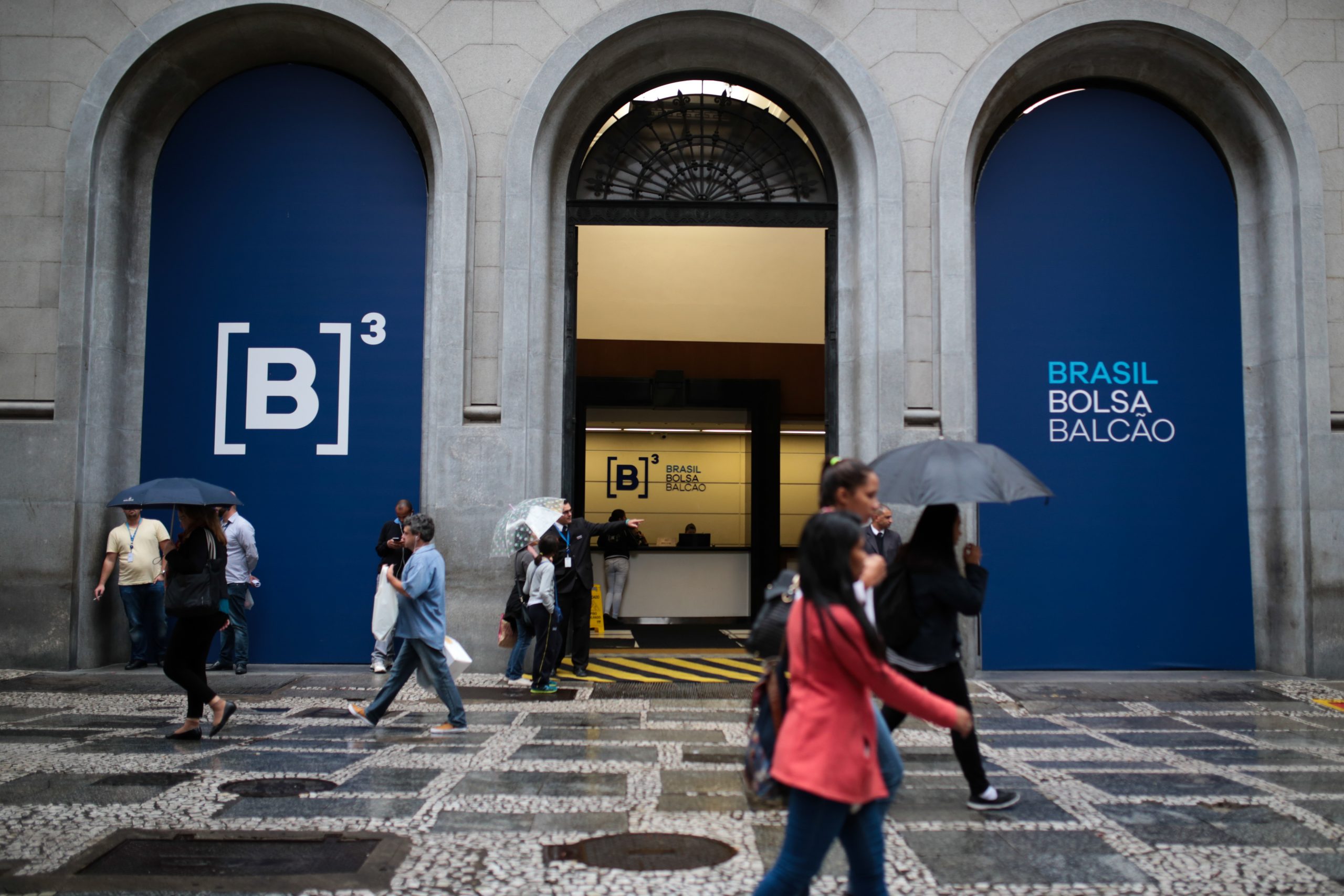
Among the companies affected by the crisis and which have net worth below the stock market price, are names such as Petrobras, Banco do Brasil, the power companies Cemig, Light, Copel, and Eletrobras, the steel companies Gerdau and CSN. (Photo: internet reproduction)
RT
Ask Rio Times
Latin American markets, currencies and companies.
Open the full Ask Rio Times →

Insecurities about share prices are now virtually unanimous – it is easy to assume that knowing the correct value is difficult. No one is ashamed to express ignorance anymore. The new element that discreetly arises in talking to experts is the doubt whether net equity – the ever-so-sacred value recorded on the company’s books – is suited to the new economic reality, or whether it will need to undergo some form of negative adjustment.

In late February, the sum of the 100 largest and most-traded companies in the B3 exchange was equivalent to a capitalization value of R$3.8 trillion (US$760 billion). This number has fallen to R$2.8 trillion. The ratio between the market value and equity value dropped from 2.1 to 1.5 times in this comparison.

A survey shows that 14 out of the 70 companies that make up the BOVESPA Index and 21 out of the 100 companies in the IBX 100, have a market capitalization below their book value.

Net equity, in a very simplified way, is what should be available after the company realizes (turns into cash) all its assets and pays all its liabilities, according to the amounts shown in their finalcial statements.

Among the companies affected by the crisis, and whose market value is below the underlying book value, are names like Petrobras, the strongest blue chip stock in the market, the shopping mall company BR Malls, power companies Cemig, Light, Copel and Eletrobras, education company Cogna, and steel companies Gerdau and CSN.

Not even Banco do Brasil (Bank of Brazil) has escaped. Valued at R$81 billion using share prices, it had a net equity of R$99 billion in late December. Here it is worth pointing out that Brazil’s other (big) banks still have market valueabove their book values, but each day come closer. Uncertain as to the force of the impact, the general comment is: the crisis of the real world economy may become a financial crisis, of greater or lesser magnitude.

Doubt as to whether net equity reflects the new scenario undermines faith that the ratio between book and market value actually serves – at least for the moment – as an indicator of a sales promotion, that is, bargain prices for liquid assets.
In late February, the sum of the 100 largest and most traded companies in the B3 was equivalent to a capitalization of R.8 trillion (US0 billion). This number fell to R.8 trillion.
In late February, the sum of the 100 largest and most traded companies in the B3 was equivalent to a market capitalization of R$3.8 trillion (US$760 billion). This number has fallen to R$2.8 trillion. (Photo: internet reproduction)

Gradually, the expectations increase, particularly among specialists of distressed companies, that the next official balance sheets may show losses as a result of capital impairment.

Impairment write-offs occur when companies believe that they will no longer be able to get a foreseeable return on their assets, either by obtaining future profits or by selling off the assets. These write-off adjustments decrease the companies’ assets. There is no longer parity between what the company’s accounting books say and real life. Without parity, assets are impaired.

The write-offs – which do not have an immediate cash effect, but are nevertheless very real – may particularly affect companies that have grown using an intense campaign of acquisitions in recent years. Since companies are authorized by accounting standards to record as a premium the greatest difference between the price they paid and the equity of the assets purchased, it would not be surprising to see the need to revise these figures.

If the expectation of a return on these investments shifts downward dramatically, the recorded values need to be decreased.

Testing assets is mandatory at least once a year. Most of the time tests are carried out and there is no need for change, so no one remembers them. But they tend to come into play when deep crises affect economies. This was the case in 2008, even here in Brazil, which was reputed to suffer not from a “tsunami”, but rather from a “ripple”.

Before asset testing, one must understand how great the economic impact is. Other answers are required to this question, particularly the length of the population’s confinement to contain the rate of spread of the novel coronavirus.

In any event, projections are split between those who expect a short duration for the crisis, with effects mitigated by government programs, and those who believe in a short crisis, but with significant and lasting effects for many businesses.

Certainly, the list of doubts about the economic situation is growing faster than that of seeming bargains at the B3.

Source: Exame

Live Company IntelligencePetroleo Brasileiro Petrobras SA ADR — the full investor dossierInside: live share price, market cap, three-year financials, valuation, ESG and peer benchmarks — plus the latest Rio Times coverage.
P
◆ Live Company Intelligence
Petroleo Brasileiro Petrobras
NYSE: PBRPETR4EnergyOil & Gas Integrated43,199 employees
$115.23B
Market cap
Analyst target $22.19

Wall Street view

4.4Buy/ 5
11 Buy3 Hold0 Sell
Avg. price target $22.19  ·  +34% vs 200-day

Valuation & profitability

Market cap$115.23B
Revenue (TTM)$548.49B
P / E ratio4.5
Profit margin24.3%
Return on equity30.3%

Price & risk

52-wk low
$10.97
52-wk high
$22.07
Beta (volatility)-0.22
200-day average$16.55

Revenue trend · 6y

20202025
Latest $88.10B

Ownership

Institutions22.0%
Shares outstanding3.72B
Top holderGQG Partners LLC
Institutional holders5+ funds

Dividend

Yield20.5%
Payout ratio28.3%
Fwd. annual$1.69
What Petroleo Brasileiro Petrobras does. Petróleo Brasileiro S.A. – Petrobras explores, produces, and sells oil and gas in Brazil, China, the United States, the Americas, Asia, Europe, Singapore, and internationally. It operates through three segments: Exploration and Production; Refining, Transportation & Marketing; and Gas & Low Carbon Energies. The Exploration and Production segment explores, develops, and produces…
Data: RT fundamentals (PBR.US) · figures in USD · as of 16 Aug 2026More company intelligence →

This article was produced by The Rio Times’ automated newsroom system. How we use AI · Report an error

Read More from The Rio Times

The Rio Times · Power Map
See who really holds power in Latin America
Click to open the Power Map

Rotate for Best Experience

This report is optimized for landscape viewing. Rotate your phone for the full experience.