IBOV 171,031.73 ▲ 1.85% IPSA 11,338.38 ▲ 0.89% IPC MEX 65,729.18 ▲ 2.14% MERVAL 2,913,184 ▲ 1.30% COLCAP 2,459.23 ▲ 0.61% BVL PERÚ 58,698.13 ▲ 2.60% USD/BRL5.14▲ 0.02% USD/MXN16.93▲ 0.09% USD/CLP914.28— 0.00% USD/COP3,043▲ 0.02% USD/PEN3.36▲ 0.05% USD/ARS1,499▼ 0.03% USD/UYU40.20— 0.00% USD/PYG5,996— 0.00% USD/BOB11.43— 0.00% USD/DOP58.61▼ 0.07% USD/CRC450.05— 0.00% USD/GTQ7.62— 0.00% USD/HNL26.81▲ 1.55% USD/NIO36.62— 0.00% USD/VES782.70▲ 0.48% USD/PAB1.00— 0.00% USD/BZD2.00— 0.00% USD/JMD 157.28 — 0.00% USD/TTD6.71— 0.00% EUR/BRL6.00▼ 0.03% BRENT 88.88 ▼ 0.03% WTI 83.11 ▼ 0.11% IRON ORE 161.91 — — COPPER 6.61 ▲ 0.03% GOLD 4,461 ▲ 1.78% SILVER 65.59 ▲ 1.26% SOY 1,184 ▲ 3.20% CORN 480.50 ▲ 10.02% WHEAT 655.00 ▲ 3.93% COFFEE 317.25 ▼ 5.51% SUGAR 16.43 ▼ 1.79% ORANGE JUICE 138.55 ▼ 0.47% COTTON 85.03 ▲ 2.33% COCOA 5,719 ▲ 3.18% BEEF 223.60 ▼ 3.93% CATTLE 339.10 ▼ 3.16% LITHIUM 75.20 ▲ 1.47% PETR4 41.64 ▼ 0.05% VALE3 72.97 ▲ 0.83% ITUB4 38.60 ▼ 1.03% BBDC4 16.85 ▲ 0.36% ABEV3 14.89 ▼ 0.80% BBAS3 19.37 ▲ 0.47% B3SA3 14.26 ▼ 0.21% WEGE3 47.59 ▲ 0.49% PRIO3 59.14 ▼ 0.19% SUZB3 41.33 ▲ 2.35% RENT3 34.68 ▼ 0.09% AZZA3 15.89 ▼ 2.63% CSAN3 3.22 ▼ 1.83% RAIZ4 0.25 — 0.00% PCAR3 2.75 ▼ 0.36% GMAT3 3.65 ▼ 1.08% PSSA3 48.13 ▼ 0.54% CVCB3 1.33 ▼ 2.92% POSI3 3.36 ▲ 2.44% SLCE3 13.34 ▲ 0.30% NATU3 8.14 ▼ 0.73% IBOV 171,031.73 ▲ 1.85% IPSA 11,338.38 ▲ 0.89% IPC MEX 65,729.18 ▲ 2.14% MERVAL 2,913,184 ▲ 1.30% COLCAP 2,459.23 ▲ 0.61% BVL PERÚ 58,698.13 ▲ 2.60% USD/BRL 5.16 ▲ 0.01% USD/MXN 17.06 ▼ 0.24% USD/CLP 913.98 ▲ 0.04% USD/COP 3,140 ▲ 0.03% USD/PEN 3.36 ▼ 0.66% USD/ARS 1,493 ▲ 0.10% USD/UYU 40.27 ▲ 1.24% USD/PYG 5,939 ▲ 1.68% USD/BOB 11.64 ▼ 0.76% USD/DOP 58.34 ▲ 1.25% USD/CRC 445.92 ▲ 0.89% USD/GTQ 7.62 ▲ 2.21% USD/HNL 26.79 ▲ 1.57% USD/NIO 36.62 ▲ 0.69% USD/VES 762.44 ▼ 0.13% USD/PAB 1.00 — 0.00% USD/BZD 2.00 — 0.00% USD/JMD 157.28 — 0.00% USD/TTD 6.70 ▲ 0.61% EUR/BRL 5.95 ▲ 1.01% BRENT 88.88 ▼ 0.03% WTI 83.11 ▼ 0.11% IRON ORE 161.91 — — COPPER 6.61 ▲ 0.03% GOLD 4,461 ▲ 1.78% SILVER 65.59 ▲ 1.26% SOY 1,184 ▲ 3.20% CORN 480.50 ▲ 10.02% WHEAT 655.00 ▲ 3.93% COFFEE 317.25 ▼ 5.51% SUGAR 16.43 ▼ 1.79% ORANGE JUICE 138.55 ▼ 0.47% COTTON 85.03 ▲ 2.33% COCOA 5,719 ▲ 3.18% BEEF 223.60 ▼ 3.93% CATTLE 339.10 ▼ 3.16% LITHIUM 75.20 ▲ 1.47% PETR4 41.64 ▼ 0.05% VALE3 72.97 ▲ 0.83% ITUB4 38.60 ▼ 1.03% BBDC4 16.85 ▲ 0.36% ABEV3 14.89 ▼ 0.80% BBAS3 19.37 ▲ 0.47% B3SA3 14.26 ▼ 0.21% WEGE3 47.59 ▲ 0.49% PRIO3 59.14 ▼ 0.19% SUZB3 41.33 ▲ 2.35% RENT3 34.68 ▼ 0.09% AZZA3 15.89 ▼ 2.63% CSAN3 3.22 ▼ 1.83% RAIZ4 0.25 — 0.00% PCAR3 2.75 ▼ 0.36% GMAT3 3.65 ▼ 1.08% PSSA3 48.13 ▼ 0.54% CVCB3 1.33 ▼ 2.92% POSI3 3.36 ▲ 2.44% SLCE3 13.34 ▲ 0.30% NATU3 8.14 ▼ 0.73%
since 2009
Monday, August 24, 2026

Brazil Drops Six Points in the Economic Climate Indicator for Latin America

By · August 14, 2019 · 3 min read

Daily Brief

The morning intel from across Latin America. Free.

By subscribing you agree to our privacy policy. We never share your email.

RIO DE JANEIRO, BRAZIL – Brazil has recorded a drop of six points in the Economic Climate Indicator (ECI) for Latin America, dropping from 56.5 to 50 points between April and July 2019. The survey is conducted by the Brazilian Institute of Economics of the Getulio Vargas Foundation (IBRE/FGV) in partnership with the German institute IFO.
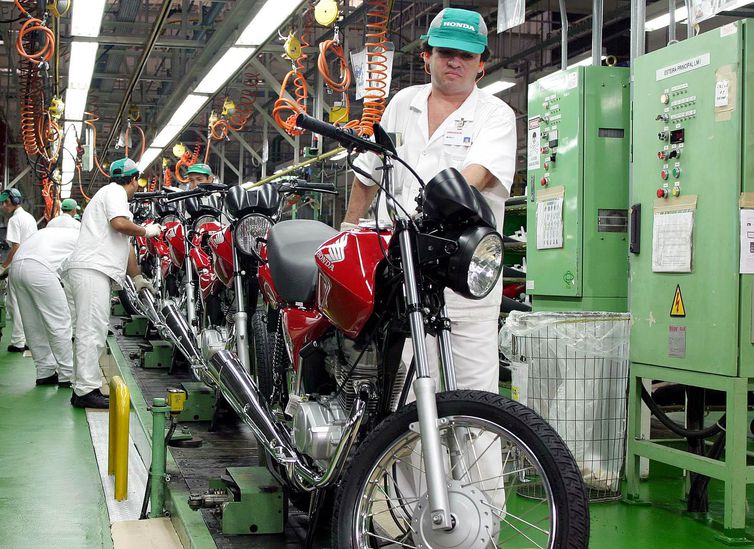
Brazil dropped from 56.5 to 50 points between April and July 2019 in the Economic Climate Indicator for Latin America.
Brazil dropped from 56.5 to 50 points between April and July 2019 in the Economic Climate Indicator for Latin America. (Photo internet reproduction)
One-stop reference
Company Intelligence
Every listed company in Latin America — financials, ownership and structure for 1,450+ companies across 26 exchanges, in one place.
Browse the directory →
RT
Ask Rio Times
Latin American markets, currencies and companies.
Open the full Ask Rio Times →

The Current State Indicator remained negative at 75 points. According to Lia Valls, FGV’s associate researcher, the government should focus more on measures that directly boost the country’s economic growth, where unemployment is still high, in order to reverse this situation.

Welfare

Lia Valls stated that the approval of the Welfare reform might change this scenario, although it is not the only factor.

According to the researcher, the impact that the release of the Severance Reserve Fund (FGTS) will have on the economy cannot be assessed yet. She believes that investments in infrastructure works tend to have a positive impact. The problem is that the government lacks funds to do this and the concessions to private parties, currently being studied by the administration’s economic area, may be the solution.

Latin America

Brazil remained in sixth place among 11 countries in Latin America‘s economic climate ranking, although the average ICE for the past four quarters has gone from 24.3 negative points to 18.6.

According to the assessment of the longest period between July 2013 and April 2017, Brazil’s ECI fell by an average of 10.8. Expectations were positive at 23.4, but the current state indicator dropped 33.7 points. In Ms. Valls’ opinion, the deterioration of the Brazilian climate is not as pronounced because expectations have deteriorated somewhat, although they are still favorable.

Latin America’s IFO/FGV Economic Climate Indicator (ECI) deteriorated during the second consecutive quarter, driven by the downturn in the Current State Indicator, declining from 47.0 negative points in April to 67.3 negative points in July 2019. This represents a difference of 14.3 points.

The Expectations Indicator (IPE), on the other hand, improved and remains positive, rising from 9.2 to 17.2 points between April and July. According to the survey, “the decline of the Latin American ECI was influenced by the international scenario, with the return of tensions associated with the trade war between China and the United States.”
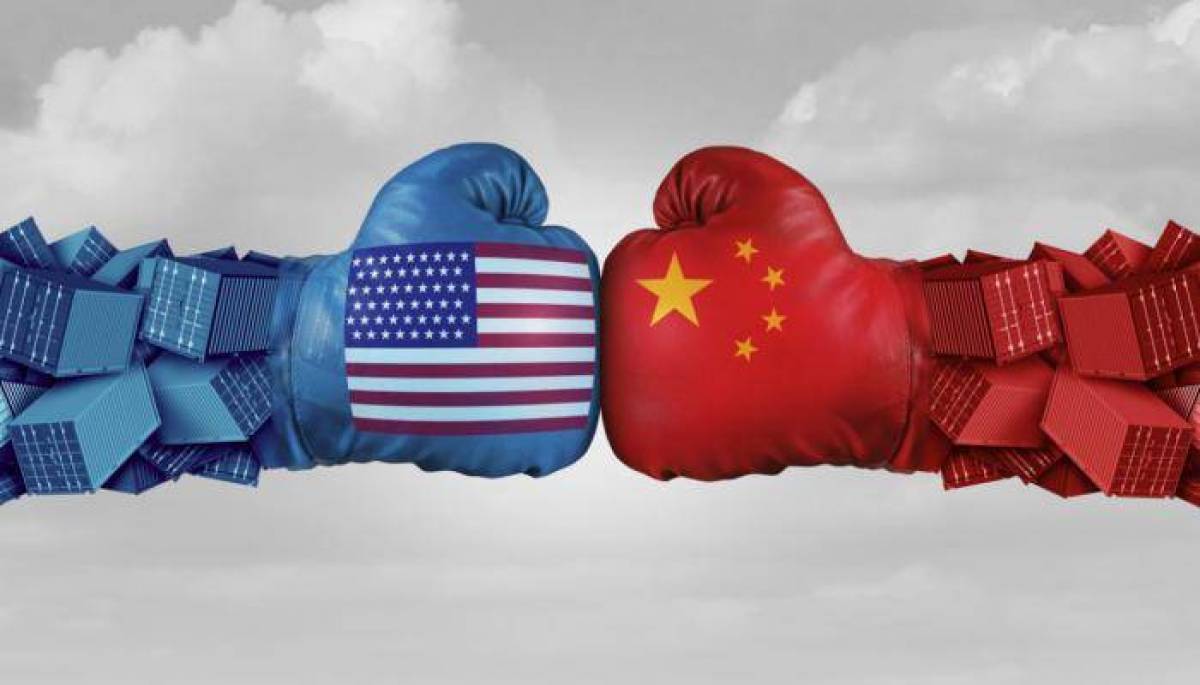
The Latin American Economic Climate Indicator was influenced by the international scenario, with the return of tensions associated with the trade war between China and the United States.
The Latin American Economic Climate Indicator was influenced by the international scenario, with the return of tensions associated with the trade war between China and the United States. (Photo internet reproduction)

World

The World ECI, which was already negative in April (-2.4 points), suffered another downturn and dropped to -10.1 points.

“The world’s expectations have been negative since 2018, closely associated with the trade war and the turmoil in China. There was also a worsening in the economic climate in the United States. So, this trade war turmoil is greatly reflected in the world’s indicators, and we see that other economies around the world have also worsened their economic climate.”

In addition to the trade war, the turmoil in China and the worsening of the economic climate in the United States, the researcher said that other factors contribute to the world indicators: the predicted downturn in Chinese growth, the fact that Europe is in a bad state over Brexit and also Germany’s forecast to reduce its exports to China.

This article was produced by The Rio Times’ automated newsroom system. How we use AI · Report an error

Read More from The Rio Times

The Rio Times · Power Map
See who really holds power in Latin America
Click to open the Power Map

Rotate for Best Experience

This report is optimized for landscape viewing. Rotate your phone for the full experience.