IBOV 171,031.73 ▲ 1.85% IPSA 11,338.38 ▲ 0.89% IPC MEX 65,729.18 ▲ 2.14% MERVAL 2,913,184 ▲ 1.30% COLCAP 2,459.23 ▲ 0.61% BVL PERÚ 58,698.13 ▲ 2.60% USD/BRL5.14▲ 0.02% USD/MXN16.93▲ 0.10% USD/CLP914.28— 0.00% USD/COP3,043— 0.00% USD/PEN3.36▲ 0.05% USD/ARS1,499▼ 0.03% USD/UYU40.20▲ 1.52% USD/PYG5,996▲ 1.39% USD/BOB11.43▲ 0.51% USD/DOP58.61▼ 0.07% USD/CRC450.05▲ 1.95% USD/GTQ7.62▲ 2.13% USD/HNL26.81▲ 1.55% USD/NIO36.62— 0.00% USD/VES782.70▼ 0.13% USD/PAB1.00— 0.00% USD/BZD2.00— 0.00% USD/JMD 157.28 — 0.00% USD/TTD6.71▲ 0.82% EUR/BRL6.00▼ 0.03% BRENT 88.88 ▼ 0.03% WTI 83.11 ▼ 0.11% IRON ORE 161.91 — — COPPER 6.61 ▲ 0.03% GOLD 4,461 ▲ 1.78% SILVER 65.59 ▲ 1.26% SOY 1,184 ▲ 3.20% CORN 480.50 ▲ 10.02% WHEAT 655.00 ▲ 3.93% COFFEE 317.25 ▼ 5.51% SUGAR 16.43 ▼ 1.79% ORANGE JUICE 138.55 ▼ 0.47% COTTON 85.03 ▲ 2.33% COCOA 5,719 ▲ 3.18% BEEF 223.60 ▼ 3.93% CATTLE 339.10 ▼ 3.16% LITHIUM 75.20 ▲ 1.47% PETR4 41.64 ▼ 0.05% VALE3 72.97 ▲ 0.83% ITUB4 38.60 ▼ 1.03% BBDC4 16.85 ▲ 0.36% ABEV3 14.89 ▼ 0.80% BBAS3 19.37 ▲ 0.47% B3SA3 14.26 ▼ 0.21% WEGE3 47.59 ▲ 0.49% PRIO3 59.14 ▼ 0.19% SUZB3 41.33 ▲ 2.35% RENT3 34.68 ▼ 0.09% AZZA3 15.89 ▼ 2.63% CSAN3 3.22 ▼ 1.83% RAIZ4 0.25 — 0.00% PCAR3 2.75 ▼ 0.36% GMAT3 3.65 ▼ 1.08% PSSA3 48.13 ▼ 0.54% CVCB3 1.33 ▼ 2.92% POSI3 3.36 ▲ 2.44% SLCE3 13.34 ▲ 0.30% NATU3 8.14 ▼ 0.73% IBOV 171,031.73 ▲ 1.85% IPSA 11,338.38 ▲ 0.89% IPC MEX 65,729.18 ▲ 2.14% MERVAL 2,913,184 ▲ 1.30% COLCAP 2,459.23 ▲ 0.61% BVL PERÚ 58,698.13 ▲ 2.60% USD/BRL 5.16 ▲ 0.01% USD/MXN 17.06 ▼ 0.24% USD/CLP 913.98 ▲ 0.04% USD/COP 3,140 ▲ 0.03% USD/PEN 3.36 ▼ 0.66% USD/ARS 1,493 ▲ 0.10% USD/UYU 40.27 ▲ 1.24% USD/PYG 5,939 ▲ 1.68% USD/BOB 11.64 ▼ 0.76% USD/DOP 58.34 ▲ 1.25% USD/CRC 445.92 ▲ 0.89% USD/GTQ 7.62 ▲ 2.21% USD/HNL 26.79 ▲ 1.57% USD/NIO 36.62 ▲ 0.69% USD/VES 762.44 ▼ 0.13% USD/PAB 1.00 — 0.00% USD/BZD 2.00 — 0.00% USD/JMD 157.28 — 0.00% USD/TTD 6.70 ▲ 0.61% EUR/BRL 5.95 ▲ 1.01% BRENT 88.88 ▼ 0.03% WTI 83.11 ▼ 0.11% IRON ORE 161.91 — — COPPER 6.61 ▲ 0.03% GOLD 4,461 ▲ 1.78% SILVER 65.59 ▲ 1.26% SOY 1,184 ▲ 3.20% CORN 480.50 ▲ 10.02% WHEAT 655.00 ▲ 3.93% COFFEE 317.25 ▼ 5.51% SUGAR 16.43 ▼ 1.79% ORANGE JUICE 138.55 ▼ 0.47% COTTON 85.03 ▲ 2.33% COCOA 5,719 ▲ 3.18% BEEF 223.60 ▼ 3.93% CATTLE 339.10 ▼ 3.16% LITHIUM 75.20 ▲ 1.47% PETR4 41.64 ▼ 0.05% VALE3 72.97 ▲ 0.83% ITUB4 38.60 ▼ 1.03% BBDC4 16.85 ▲ 0.36% ABEV3 14.89 ▼ 0.80% BBAS3 19.37 ▲ 0.47% B3SA3 14.26 ▼ 0.21% WEGE3 47.59 ▲ 0.49% PRIO3 59.14 ▼ 0.19% SUZB3 41.33 ▲ 2.35% RENT3 34.68 ▼ 0.09% AZZA3 15.89 ▼ 2.63% CSAN3 3.22 ▼ 1.83% RAIZ4 0.25 — 0.00% PCAR3 2.75 ▼ 0.36% GMAT3 3.65 ▼ 1.08% PSSA3 48.13 ▼ 0.54% CVCB3 1.33 ▼ 2.92% POSI3 3.36 ▲ 2.44% SLCE3 13.34 ▲ 0.30% NATU3 8.14 ▼ 0.73%
since 2009
Monday, August 24, 2026

Brazil to Produce Less Top Quality Coffee in 2019, due to Unusual Weather

By · July 31, 2019 · 3 min read

Daily Brief

The morning intel from across Latin America. Free.

By subscribing you agree to our privacy policy. We never share your email.

RIO DE JANEIRO, BRAZIL – Brazil is producing less top quality coffee this year, despite a bumper crop overall, because of unusual pre-harvest weather, which has affected some traders who rely on the product, according to sources in the sector.
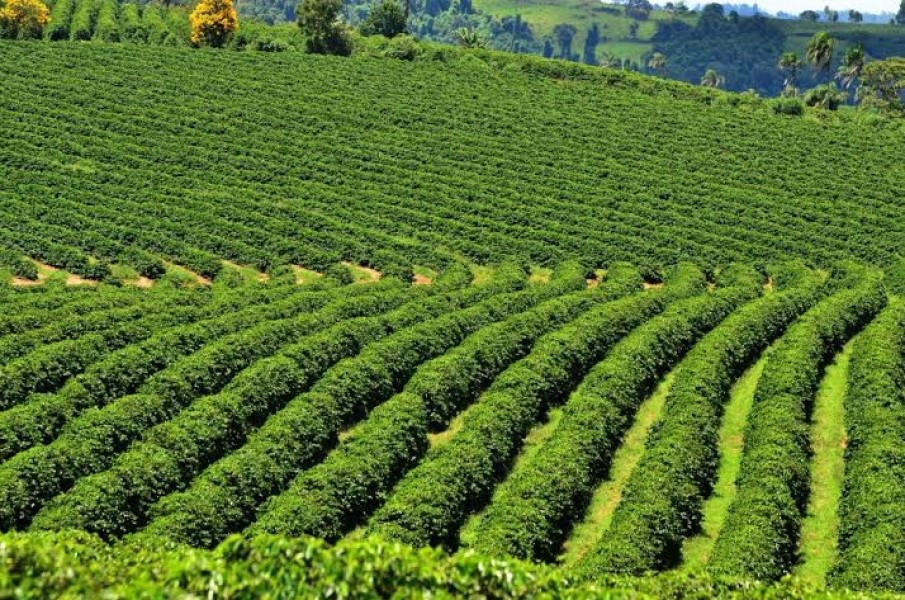
The exporter Escritório Carvalhaes said that trading was unusually slow at the peak of harvest.
The exporter Escritório Carvalhaes said that trading was unusually slow at the peak of harvest. (Photo internet reproduction)
One-stop reference
Company Intelligence
Every listed company in Latin America — financials, ownership and structure for 1,450+ companies across 26 exchanges, in one place.
Browse the directory →
RT
Ask Rio Times
Latin American markets, currencies and companies.
Open the full Ask Rio Times →

The market for Brazilian fine coffee is tighter than normal, causing a premium paid for the current crop against New York futures, which is particularly rare at this time of the year, said traders, who requested anonymity to discuss the market-sensitive matter.

“Some trading houses are scavenging the market. Those coffees are trading at a premium in New York, and this is only July. It’s going to be a long, painful season for these people,” said a London-based trader.

The trader said that Brazil’s fine cups for shipment in August are being traded four cents above New York futures when they usually trade between five and nine cents below the reference contract.

Some trading houses that made anticipated sales expecting negative differentials at delivery time are now forced to buy at a premium, taking losses.

The various flowerings in Brazil’s plantations have raised concerns about the quality of the current crop, as reported by Reuters earlier, but the issue may be worse than many expected.

Exporter Escritório Carvalhaes said that trading was unusually slow at the peak of harvest. According to him, the erratic climate in the second half of 2018 confused the coffee trees, and the flowerings occurred in four to five stages.
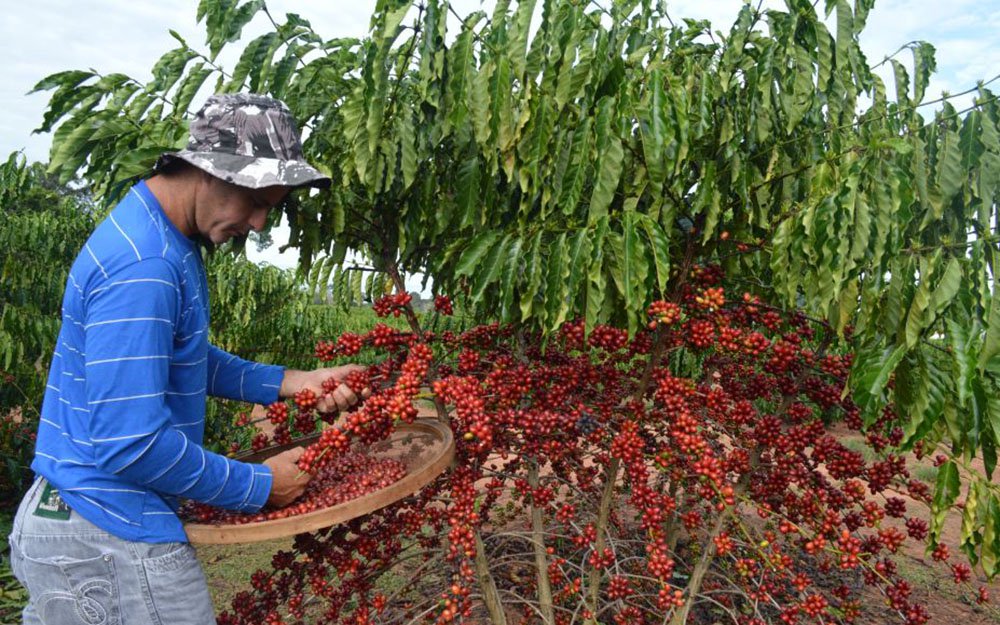
"These repeated storms led to early and uneven ripening of the fruits... These rains brought down ripe fruit, the 'cherries'...", commented Carvalhaes.
“These repeated storms led to early and uneven ripening of the fruits… These rains brought down ripe fruit, the ‘cherries’…”, commented Carvalhaes. (Photo internet reproduction)

“In the summer, the growing and ripening period of the fruit, again the weather did not help. The weather was dry in January and quite rainy from mid-February,” said Carvalhaes, noting that temperatures were above average, including at night, for long periods in the summer of 2019.

“These repeated storms led to early and uneven ripening of the fruits… These rains brought down ripe fruit, the ‘cherries’…”, commented Carvalhaes, pointing out that the result “is a smaller crop than expected and of poorer quality.”

Producer Daniella Pelosini, a regular supplier to Italian roaster Illy, said she would strive to produce the coffees that top quality brands seek.

“We’re not sure what happened, but the beans went quickly from green to dry. I’m finding it very difficult to make volumes of cherries for peeled lots,” she said during a visit to her farm in Pardinho, in the state of São Paulo.

One of the outcomes will be a more massive production of lower quality coffees, weaker cups, and Rio or Riado types, which many roasters use for blending. For farmers who are already facing historically low prices, the additional lower quality impact will only increase the problem.

Coffee producers in Peru and Honduras are benefiting from the quality shortfall in Brazil, with prices between five and ten cents over futures, according to the London-based trader. Beans from those locations usually trade level with futures.

The trader said that futures in New York could be affected if buyers turn to exchange stocks, which are not perfect substitutes but are washed Arabicas at least.

This article was produced by The Rio Times’ automated newsroom system. How we use AI · Report an error

Read More from The Rio Times

The Rio Times · Power Map
See who really holds power in Latin America
Click to open the Power Map

Rotate for Best Experience

This report is optimized for landscape viewing. Rotate your phone for the full experience.