IBOV 171,031.73 ▲ 1.85% IPSA 11,338.38 ▲ 0.89% IPC MEX 65,729.18 ▲ 2.14% MERVAL 2,913,184 ▲ 1.35% COLCAP 2,459.23 ▲ 0.61% BVL PERÚ 58,698.13 ▲ 2.60% USD/BRL5.14▼ 0.14% USD/MXN16.90▼ 0.36% USD/CLP914.28— 0.00% USD/COP3,038▼ 1.18% USD/PEN3.35▼ 0.06% USD/ARS1,499▲ 0.12% USD/UYU40.20▲ 1.58% USD/PYG5,996▲ 1.55% USD/BOB11.43▲ 0.41% USD/DOP58.82▲ 0.20% USD/CRC450.05▲ 3.34% USD/GTQ7.62▲ 2.21% USD/HNL26.81▲ 0.31% USD/NIO36.62▲ 0.61% USD/VES778.00▼ 0.13% USD/PAB1.00— 0.00% USD/BZD2.00— 0.00% USD/JMD 157.28 — 0.00% USD/TTD6.71▲ 0.79% EUR/BRL6.00▼ 0.64% BRENT 88.88 ▼ 0.03% WTI 83.11 ▼ 0.11% IRON ORE 161.91 — — COPPER 6.61 ▲ 0.03% GOLD 4,461 ▲ 1.78% SILVER 65.59 ▲ 1.26% SOY 1,184 ▲ 3.20% CORN 480.50 ▲ 10.02% WHEAT 655.00 ▲ 3.93% COFFEE 317.25 ▼ 5.51% SUGAR 16.43 ▼ 1.79% ORANGE JUICE 138.55 ▼ 0.47% COTTON 85.03 ▲ 2.33% COCOA 5,719 ▲ 3.18% BEEF 223.60 ▼ 3.93% CATTLE 339.10 ▼ 3.16% LITHIUM 75.20 ▲ 1.47% PETR4 41.64 ▼ 0.05% VALE3 72.97 ▲ 0.83% ITUB4 38.60 ▼ 1.03% BBDC4 16.85 ▲ 0.36% ABEV3 14.89 ▼ 0.80% BBAS3 19.37 ▲ 0.47% B3SA3 14.26 ▼ 0.21% WEGE3 47.59 ▲ 0.49% PRIO3 59.14 ▼ 0.19% SUZB3 41.33 ▲ 2.35% RENT3 34.68 ▼ 0.09% AZZA3 15.89 ▼ 2.63% CSAN3 3.22 ▼ 1.83% RAIZ4 0.25 — 0.00% PCAR3 2.75 ▼ 0.36% GMAT3 3.65 ▼ 1.08% PSSA3 48.13 ▼ 0.54% CVCB3 1.33 ▼ 2.92% POSI3 3.36 ▲ 2.44% SLCE3 13.34 ▲ 0.30% NATU3 8.14 ▼ 0.73% IBOV 171,031.73 ▲ 1.85% IPSA 11,338.38 ▲ 0.89% IPC MEX 65,729.18 ▲ 2.14% MERVAL 2,913,184 ▲ 1.35% COLCAP 2,459.23 ▲ 0.61% BVL PERÚ 58,698.13 ▲ 2.60% USD/BRL 5.16 ▲ 0.01% USD/MXN 17.06 ▼ 0.24% USD/CLP 913.98 ▲ 0.04% USD/COP 3,140 ▲ 0.03% USD/PEN 3.36 ▼ 0.66% USD/ARS 1,493 ▲ 0.10% USD/UYU 40.27 ▲ 1.24% USD/PYG 5,939 ▲ 1.68% USD/BOB 11.64 ▼ 0.76% USD/DOP 58.34 ▲ 1.25% USD/CRC 445.92 ▲ 0.89% USD/GTQ 7.62 ▲ 2.21% USD/HNL 26.79 ▲ 1.57% USD/NIO 36.62 ▲ 0.69% USD/VES 762.44 ▼ 0.13% USD/PAB 1.00 — 0.00% USD/BZD 2.00 — 0.00% USD/JMD 157.28 — 0.00% USD/TTD 6.70 ▲ 0.61% EUR/BRL 5.95 ▲ 1.01% BRENT 88.88 ▼ 0.03% WTI 83.11 ▼ 0.11% IRON ORE 161.91 — — COPPER 6.61 ▲ 0.03% GOLD 4,461 ▲ 1.78% SILVER 65.59 ▲ 1.26% SOY 1,184 ▲ 3.20% CORN 480.50 ▲ 10.02% WHEAT 655.00 ▲ 3.93% COFFEE 317.25 ▼ 5.51% SUGAR 16.43 ▼ 1.79% ORANGE JUICE 138.55 ▼ 0.47% COTTON 85.03 ▲ 2.33% COCOA 5,719 ▲ 3.18% BEEF 223.60 ▼ 3.93% CATTLE 339.10 ▼ 3.16% LITHIUM 75.20 ▲ 1.47% PETR4 41.64 ▼ 0.05% VALE3 72.97 ▲ 0.83% ITUB4 38.60 ▼ 1.03% BBDC4 16.85 ▲ 0.36% ABEV3 14.89 ▼ 0.80% BBAS3 19.37 ▲ 0.47% B3SA3 14.26 ▼ 0.21% WEGE3 47.59 ▲ 0.49% PRIO3 59.14 ▼ 0.19% SUZB3 41.33 ▲ 2.35% RENT3 34.68 ▼ 0.09% AZZA3 15.89 ▼ 2.63% CSAN3 3.22 ▼ 1.83% RAIZ4 0.25 — 0.00% PCAR3 2.75 ▼ 0.36% GMAT3 3.65 ▼ 1.08% PSSA3 48.13 ▼ 0.54% CVCB3 1.33 ▼ 2.92% POSI3 3.36 ▲ 2.44% SLCE3 13.34 ▲ 0.30% NATU3 8.14 ▼ 0.73%
since 2009
Sunday, August 23, 2026

Brazilian Exports to Argentina Have Fallen 39.7 Percent This Year

By · September 4, 2019 · 3 min read

Daily Brief

The morning intel from across Latin America. Free.

By subscribing you agree to our privacy policy. We never share your email.

RIO DE JANEIRO, BRAZIL – The worsening economic crisis in Argentina has caused Brazilian exports to the neighboring country to fall by 39.7 percent this year.

According to Herlon Brandão, Undersecretary of Intelligence and Foreign Trade Statistics, this contributed to a reduction in Brazil’s total manufacturing sales, which fell 25.8 percent in August and 9.5 percent for the year.

Argentina accounts for Brazil’s fourth-largest export and import market. The country's top imports from Brazil are cars, vehicle parts, petroleum gas, and refined petroleum.
Argentina is Brazil’s fourth-largest export and import market. The country’s top imports from Brazil are cars, vehicle parts, petroleum gas, and refined petroleum. (Photo internet reproduction)
One-stop reference
Company Intelligence
Every listed company in Latin America — financials, ownership and structure for 1,450+ companies across 26 exchanges, in one place.
Browse the directory →
RT
Ask Rio Times
Latin American markets, currencies and companies.
Open the full Ask Rio Times →

Argentina represents Brazil’s fourth-largest export and import market. The country’s top imports from Brazil are cars, vehicle parts, petroleum gas, and refined petroleum.

In August, Brazil’s trade balance posted a US$3.284 billion (US$791 million) surplus. Last month, exports totaled US$18.853 billion, a drop of 8.5 percent over August 2018. Imports, on the other hand, reached US$15.569 billion, a reduction of 13.3 percent for the same period.

According to Brandão, the significant decreases in August are due to the fact that the base of this month in 2018 has been inflated by operations of export and import of oil platforms.

If it were not for these businesses, there would continue to be a drop in sales and purchases from abroad, but in a lower percentage: -2.6 percent for imports and -2.7 percent for exports.
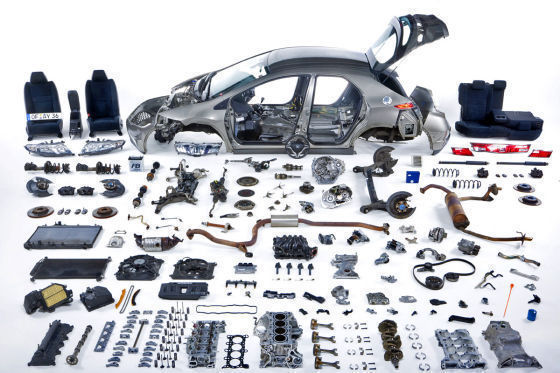
Argentina accounts for Brazil’s fourth-largest export and import market. The country's top imports from Brazil are cars, vehicle parts, petroleum gas, and refined petroleum. (Photo internet reproduction)
Argentina accounts for Brazil’s fourth-largest export and import market. The country’s top imports from Brazil are cars, vehicle parts, petroleum gas, and refined petroleum. (Photo internet reproduction)

The government’s estimate is that both imports and exports will fall two percent this year. “We expected an increase in imports in the first quarter, but we began to predict a two percent drop in the current trade with cooling demand,” said Brandão.

The drop in cars reaches 34.2 percent in the first eight months – more than 70 percent of these goods are sold to Argentina.

There was also a reduction in shipments of soybeans (-21.3 percent) as a result of lower supply in the Brazilian harvest and lower demand for the product by China. Because of swine fever, China registered a reduction in the herd of pigs and began to buy less soy for animal feed.

Iron ore, on the other hand, registered a 17.3 percent increase in exports. “Iron ore prices rose and compensated for the reduction in volume after the tragedy in Brumadinho (MG),” said the undersecretary.

On the import side, the drop in the value of oil and oil products influenced the drop in August.

Economists working at Itaú bank explained in August that the spreading of the crisis in Argentina could diminish the positive results on Brazil’s GDP until 2020.
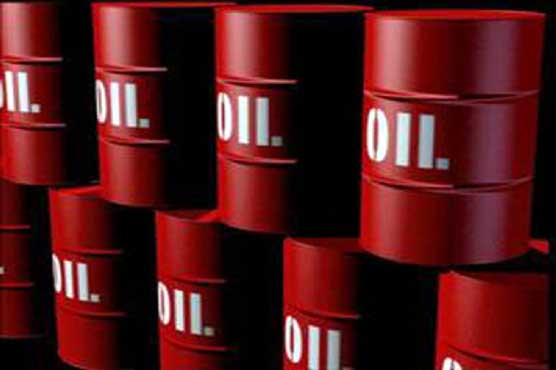
Argentina accounts for Brazil’s fourth-largest export and import market. The country's top imports from Brazil are cars, vehicle parts, petroleum gas, and refined petroleum. (Photo internet reproduction)
Argentina accounts for Brazil’s fourth-largest export and import market. The country’s top imports from Brazil are cars, vehicle parts, petroleum gas, and refined petroleum. (Photo internet reproduction)

Even if the deceleration of China and the United States is more damaging to Brazil’s recovery than the crisis in Argentina, experts at the bank warned of the impact consecutive drops in industrial production could have here.

The weight of China in Brazilian exports, says the economist Luka Barbosa to the journal, is 30 percent, that of the US is 20 percent, and that of Argentina is only 5 percent.

The problem is that for every 5 percent decline in industrial production in Argentina, Brazilian exports could fall 25 percent, an impact of 0.2 percentage points in the GDP.

This article was produced by The Rio Times’ automated newsroom system. How we use AI · Report an error

Read More from The Rio Times

The Rio Times · Power Map
See who really holds power in Latin America
Click to open the Power Map

Rotate for Best Experience

This report is optimized for landscape viewing. Rotate your phone for the full experience.