IBOV 166,934.20 ▼ 0.10% IPSA 11,042.67 ▲ 0.39% IPC MEX 64,397.45 ▼ 0.66% MERVAL 2,947,349 ▼ 1.77% COLCAP 2,452.46 ▲ 0.84% BVL PERÚ 58,104.31 ▲ 0.40% USD/BRL5.21▼ 0.01% USD/MXN17.02▼ 0.01% USD/CLP914.45▼ 0.02% USD/COP3,141▲ 0.56% USD/PEN3.37▼ 0.01% USD/ARS1,488— 0.00% USD/UYU40.33▲ 1.98% USD/PYG5,984▲ 2.11% USD/BOB11.54▼ 0.18% USD/DOP58.45▲ 0.26% USD/CRC446.12▲ 2.03% USD/GTQ7.62▲ 2.25% USD/HNL26.79▲ 1.50% USD/NIO36.62— 0.00% USD/VES769.14▼ 0.32% USD/PAB1.00— 0.00% USD/BZD2.00— 0.00% USD/JMD 157.28 — 0.00% USD/TTD6.70▲ 0.66% EUR/BRL6.05▲ 1.03% BRENT 88.88 ▼ 0.03% WTI 83.11 ▼ 0.11% IRON ORE 161.91 — — COPPER 6.61 ▲ 0.03% GOLD 4,461 ▲ 1.78% SILVER 65.59 ▲ 1.26% SOY 1,184 ▲ 3.20% CORN 480.50 ▲ 10.02% WHEAT 655.00 ▲ 3.93% COFFEE 317.25 ▼ 5.51% SUGAR 16.43 ▼ 1.79% ORANGE JUICE 138.55 ▼ 0.47% COTTON 85.03 ▲ 2.33% COCOA 5,719 ▲ 3.18% BEEF 223.60 ▼ 3.93% CATTLE 339.10 ▼ 3.16% LITHIUM 75.20 ▲ 1.47% PETR4 41.64 ▼ 0.05% VALE3 72.97 ▲ 0.83% ITUB4 38.60 ▼ 1.03% BBDC4 16.85 ▲ 0.36% ABEV3 14.89 ▼ 0.80% BBAS3 19.37 ▲ 0.47% B3SA3 14.26 ▼ 0.21% WEGE3 47.59 ▲ 0.49% PRIO3 59.14 ▼ 0.19% SUZB3 41.33 ▲ 2.35% RENT3 34.68 ▼ 0.09% AZZA3 15.89 ▼ 2.63% CSAN3 3.22 ▼ 1.83% RAIZ4 0.25 — 0.00% PCAR3 2.75 ▼ 0.36% GMAT3 3.65 ▼ 1.08% PSSA3 48.13 ▼ 0.54% CVCB3 1.33 ▼ 2.92% POSI3 3.36 ▲ 2.44% SLCE3 13.34 ▲ 0.30% NATU3 8.14 ▼ 0.73% IBOV 166,934.20 ▼ 0.10% IPSA 11,042.67 ▲ 0.39% IPC MEX 64,397.45 ▼ 0.66% MERVAL 2,947,349 ▼ 1.77% COLCAP 2,452.46 ▲ 0.84% BVL PERÚ 58,104.31 ▲ 0.40% USD/BRL 5.16 ▲ 0.01% USD/MXN 17.06 ▼ 0.24% USD/CLP 913.98 ▲ 0.04% USD/COP 3,140 ▲ 0.03% USD/PEN 3.36 ▼ 0.66% USD/ARS 1,493 ▲ 0.10% USD/UYU 40.27 ▲ 1.24% USD/PYG 5,939 ▲ 1.68% USD/BOB 11.64 ▼ 0.76% USD/DOP 58.34 ▲ 1.25% USD/CRC 445.92 ▲ 0.89% USD/GTQ 7.62 ▲ 2.21% USD/HNL 26.79 ▲ 1.57% USD/NIO 36.62 ▲ 0.69% USD/VES 762.44 ▼ 0.13% USD/PAB 1.00 — 0.00% USD/BZD 2.00 — 0.00% USD/JMD 157.28 — 0.00% USD/TTD 6.70 ▲ 0.61% EUR/BRL 5.95 ▲ 1.01% BRENT 88.88 ▼ 0.03% WTI 83.11 ▼ 0.11% IRON ORE 161.91 — — COPPER 6.61 ▲ 0.03% GOLD 4,461 ▲ 1.78% SILVER 65.59 ▲ 1.26% SOY 1,184 ▲ 3.20% CORN 480.50 ▲ 10.02% WHEAT 655.00 ▲ 3.93% COFFEE 317.25 ▼ 5.51% SUGAR 16.43 ▼ 1.79% ORANGE JUICE 138.55 ▼ 0.47% COTTON 85.03 ▲ 2.33% COCOA 5,719 ▲ 3.18% BEEF 223.60 ▼ 3.93% CATTLE 339.10 ▼ 3.16% LITHIUM 75.20 ▲ 1.47% PETR4 41.64 ▼ 0.05% VALE3 72.97 ▲ 0.83% ITUB4 38.60 ▼ 1.03% BBDC4 16.85 ▲ 0.36% ABEV3 14.89 ▼ 0.80% BBAS3 19.37 ▲ 0.47% B3SA3 14.26 ▼ 0.21% WEGE3 47.59 ▲ 0.49% PRIO3 59.14 ▼ 0.19% SUZB3 41.33 ▲ 2.35% RENT3 34.68 ▼ 0.09% AZZA3 15.89 ▼ 2.63% CSAN3 3.22 ▼ 1.83% RAIZ4 0.25 — 0.00% PCAR3 2.75 ▼ 0.36% GMAT3 3.65 ▼ 1.08% PSSA3 48.13 ▼ 0.54% CVCB3 1.33 ▼ 2.92% POSI3 3.36 ▲ 2.44% SLCE3 13.34 ▲ 0.30% NATU3 8.14 ▼ 0.73%
since 2009
Sunday, August 16, 2026

Brazil’s Government Announces R$40 Billion Loan Fund for SMEs to Retain Jobs

By · March 28, 2020 · 3 min read

Daily Brief

The morning intel from across Latin America. Free.

By subscribing you agree to our privacy policy. We never share your email.

RIO DE JANEIRO, BRAZIL – The federal government has just announced new measures to contain the damage to the economy caused by the spread of the coronavirus in Brazil. The package is aimed at small and medium-sized companies (SMEs), with annual revenues between R$360,000 (US$72,000) and R$10 million.

There will be a R$40 billion credit line (R$20 billion per month) that is exclusively intended to finance two months’ worth of payroll costs, with a maximum limit of up to two minimum wages.

This incentive is expected to be available for 1.4 million companies in up to two weeks. (Photo Internet Reproduction)
One-stop reference
Company Intelligence
Every listed company in Latin America — financials, ownership and structure for 1,450+ companies across 26 exchanges, in one place.
Browse the directory →
RT
Ask Rio Times
Latin American markets, currencies and companies.
Open the full Ask Rio Times →

For instance: if an employee’s salary is one minimum wage (R$1,045), he/she will receive the same amount. If the employee is paid three minimum wages (R$3,135), however, he/she will receive two minimum wages (R$2,090) over those two months or the employer will pay the difference.

The program will be financed by the National Treasury, which will contribute R$17 billion per month, and by private banks, contributing R$3 billion. BNDES (National Bank for Economic and Social Development) will be responsible for the operationalization.

“Today the Brazilian Central Bank does not have this capacity, the most it can do is inject liquidity into the system,” says the president of the Central Bank, Roberto Campos Neto, on the direct purchase of credit, adding that the initiative requires a constitutional amendment.

This incentive is expected to be available within two weeks, he said. The credit line was designed by the Central Bank, the Economy Ministry, and the BNDES. “The measure will benefit 1.4 million companies, with 2.2 million employees,” Campos Neto says.

The credit will be paid at an interest rate of 3.75 percent per year, without the collection of bank spread and with repayment terms of 36 months for companies. The contractual condition for the release of the amount is that any company accepting the package may not fire employees for two months.

According to Campos Neto, the SME will close the contract with the government and the money will be allocated directly to the employee through an automated system. “The employee is paid and the company is left with the debt to pay later,” says Neto.

According to labor attorney Joel Gallo from the Souto Correa office, despite the initiative, the government continues to exempt itself from its responsibilities to the population. “The small and medium-sized entrepreneurs will receive short-term help, but they will have to pay the bill themselves later, in what will be a new debt,” he says.
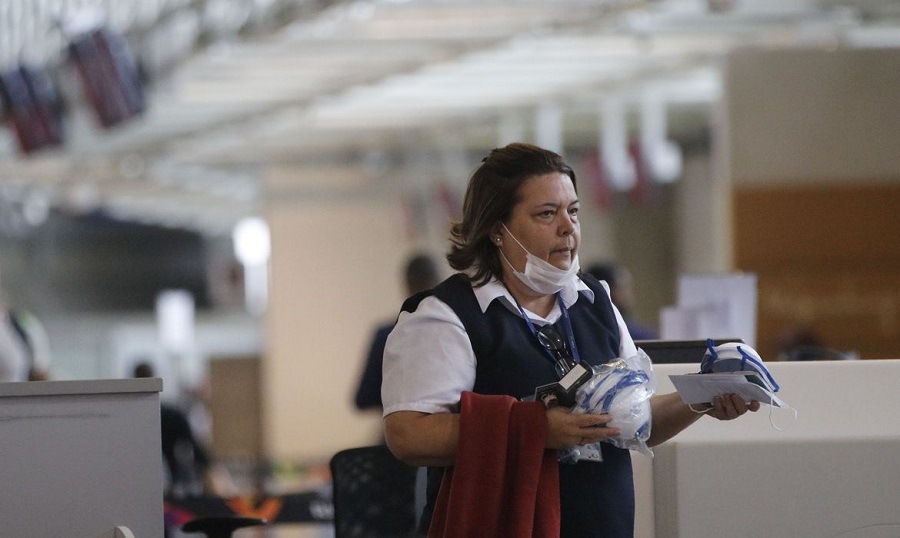
The package is aimed at small and medium-sized companies. (Photo Internet Reproduction)

The alternative, he says, is that the government should subsidize rather than lend money so that employees can keep their jobs. “It’s been done like this all over the world.

Regarding the measures that should be announced for casual and free-lance workers, the state-owned Caixa Economica Federal bank reported that the proposal passed by the Chamber of Deputies has not yet reached the Senate. According to a representative, the bank is working with the INSS (Brazilian Social Security Institute) to organize the operation.

Last Thursday, March 26th, the Chamber of Deputies passed a bill authorizing a monthly transfer of R$600 to casual workers and people with disabilities. In the case of women providing for the family, the emergency aid amount will be paid in double (R$1,200).

Source: Exame

This article was drafted with automated assistance and reviewed before publication. How we use AI · Report an error

Read More from The Rio Times

The Rio Times · Power Map
See who really holds power in Latin America
Click to open the Power Map

Rotate for Best Experience

This report is optimized for landscape viewing. Rotate your phone for the full experience.