Meat Prices Will Not Revert to Previous Levels, Says Minister of Agriculture
RIO DE JANEIRO, BRAZIL – In an interview with Estado newspaper, Tereza Cristina said that the rise in exports to China had a strong impact on the appreciation of meat throughout the country. What also helped push the increase, however, said the minister, was the lack of readjustment in prices in the past three years.
President Jair Bolsonaro announced on the Internet that the minister had assured that in three or four months’ time the price of meat would return to normal.

The Agriculture Ministry, in a statement, said that it is closely monitoring the situation and believes that the market “will find the balance”. “It is not the ministry’s role to intervene in market relations. Prices are governed by supply and demand. At this time, the market is signaling that the prices of beef, which were low, have changed thresholds,” it said, in a statement.
Some supermarket chains have stated that the export of meat has limited the supply of protein in the country, in addition to inflating the product. The leading supermarket chain in Pará put up posters in its 20 supermarket stores alerting consumers about problems with the supply of beef, high prices and the lack of products in stores.
In the warnings, it is reported that the slaughterhouses are raising prices daily, alleging an increase in exports. “We received price lists from suppliers twice a month,” says Oscar Rodrigues, director of Grupo Líder. “Now, they come every two days, and the meat is always more expensive”.
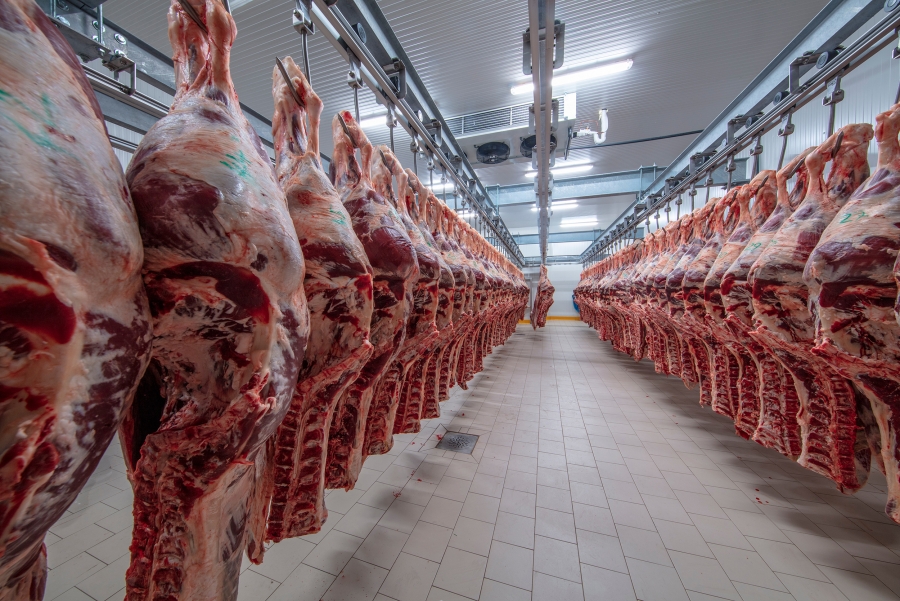
According to him, the group slaughtered all the cattle on its farms to minimize the impact of high prices. There were about 1000 heads that were fit for slaughter. “Our margins are very low, and we provided the report out of respect for the customer who may feel cheated when they see the increase,” says Rodrigues. “Our client is very loyal and we value transparency”.
The minister denies that there is a lack of supply to the domestic market. “It is not true [that there is a lack of meat]. First, Brazil has 215 million head of cattle. So, it is not a herd that will end tomorrow. Secondly, the Chinese market has really affected exports, and not only of Brazilian meat, but of Argentinian, Paraguayan and Uruguayan meat. All these markets have felt it. The world is feeling the impact. China’s demand is very great,” the minister said.
Tereza said Brazil is not among the countries that have the most qualified slaughterhouses to process meat, but she said China has qualified slaughterhouses, which enables the export of live cattle.
“In addition to Brazil opening exports, we must remember that cattle had a depressed price three years ago. Cattle ranchers were suffering losses during this period,” said the minister. “Before, the product sold an arroba (fifteen kilos) for a price of R$140, on average. At this first moment of opening, China is paying a very good price and there was this moment of, say, euphoria. In São Paulo, an arroba is being sold for R$231.”
Other Factors
The Minister for Agriculture also drew attention to a delay in production this year. “Another event is that we are experiencing a prolonged drought. As the arroba was very low, few people treated oxen because it was not worth it. The pasture took a while, so this cattle is a little late,” she said.
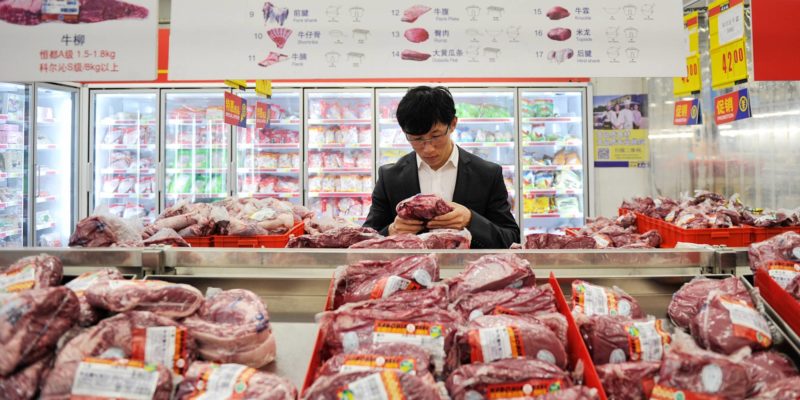
In less than three months, the rump steak recorded an increase above 50 percent and a 46 percent increase in the cost of topside that ends up being paid by consumers, according to the Brazilian Association of Supermarkets (ABRAS).
The arroba of livestock in São Paulo had real increase, discounting inflation, of 35 percent in a month – reaching R$231 last Wednesday, according to the Center for Advanced Studies in Applied Economics (CEPEA). It is the highest figure in the historical series, which began in 1994.
In this scenario, the ABRAS recommends that traders invest in the supply of other types of protein (pork, fish, eggs and poultry), as options for beef. In addition, the organization recognizes that the increase in prices has reached retail, with significant increases in some types of cuts.
Asked if she was eating a steak while giving the interview, the Minister of Agriculture, Tereza Cristina, replied, jokingly. “I’m eating chicken. Now it’s just chicken.”
More: Brazil news in English, every day from The Rio Times.
This article was produced by The Rio Times’ automated newsroom system. How we use AI · Report an error · Editorial responsibility: Matthias Camenzind, Editor-in-Chief