Pigs Generate Power for Town in Brazil’s State of Paraná
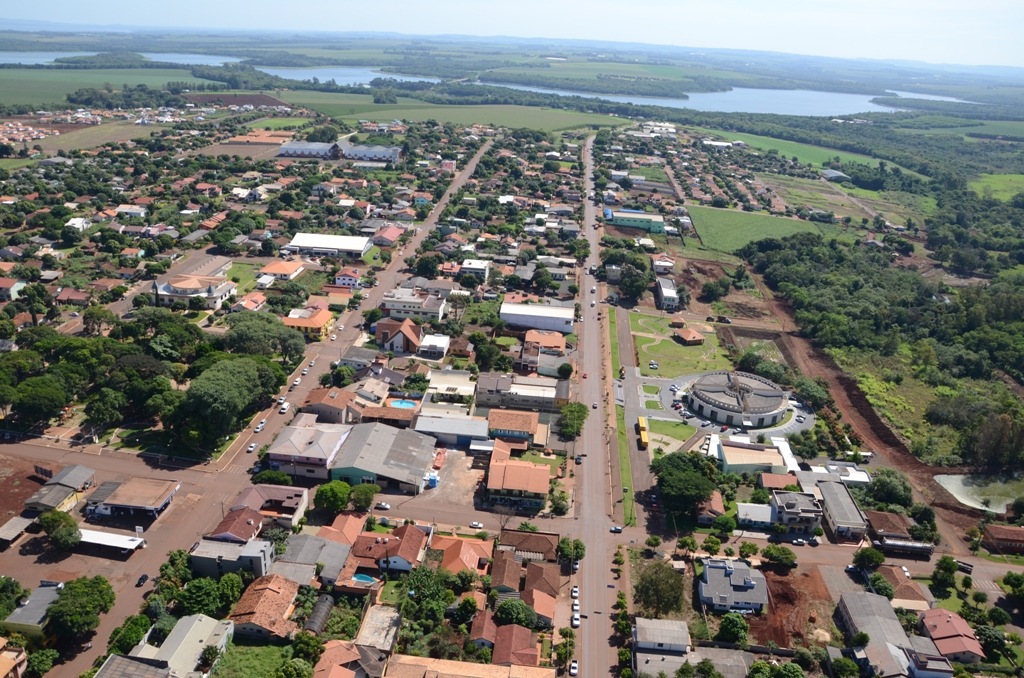
RIO DE JANEIRO, BRAZIL – Since last Wednesday, July 26th, 72 buildings of the municipal government of Entre Rios do Oeste, in western Paraná, have been supplied with electric power generated by the waste of 40,000 pigs from farmers in the region.
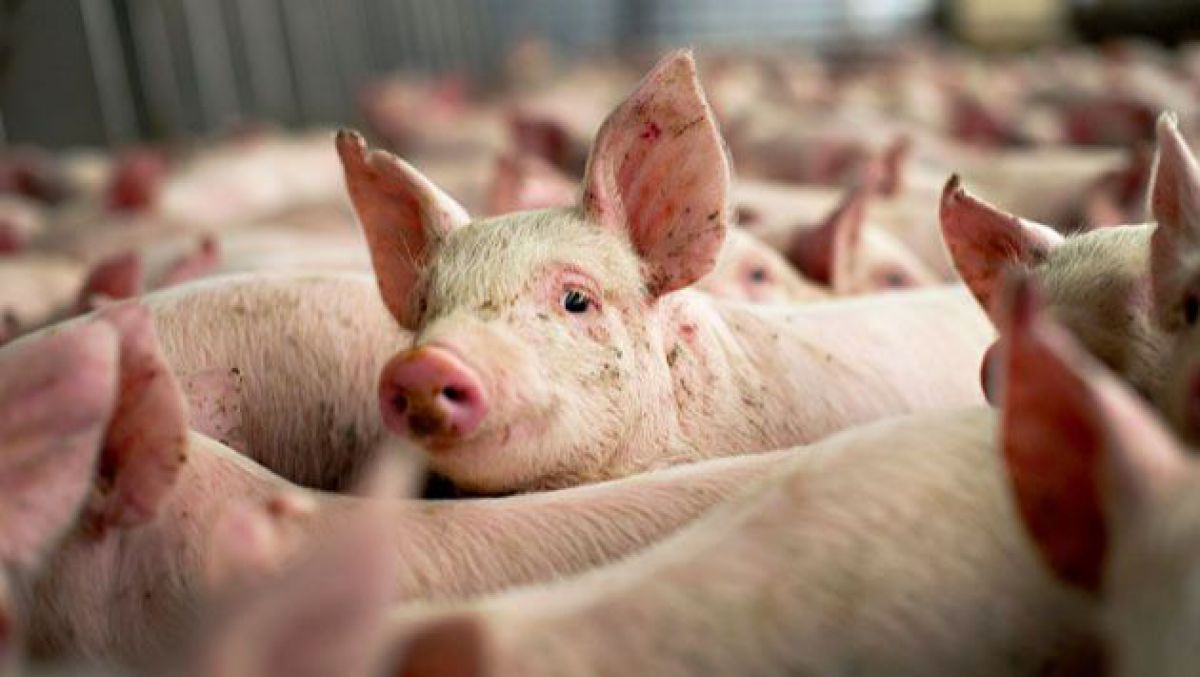
The initiative was based on a partnership between the government and the Itaipu Technology Park (ITP) and the International Center for Renewable Energy (CIBiogás), which saw an opportunity to reduce environmental pollution in the region. Although small, Entre Rios do Oeste breeds over 150,000 pigs.
As a result of the power generation project, some 215 tons of waste from 18 rural properties began to be treated per day, serving as raw material for the production of biogas used in the generation of electricity. The system is relatively simple: the waste is collected and packaged in biodigesters. Inside, this material is decomposed by bacteria, generating biomethane. Pipelines carry the gas to the power generation site. Burning the material triggers a generator that produces electricity.
Economy and environmental solution
This is not a new approach since rural farmers already make use of waste for energy production, for their own consumption. The difference of the Paraná project is that the energy produced is “sold” to the city, yielding income for the producers. According to the president of CIBiogás, Rodrigo Régis Galvão, the Mini Central Thermoelectric Plant (MCT) of Entre Rios do Oeste, powered by biogas, will result in savings for the population, as well as solving the environmental problem generated by manure.
With 480 kW of installed power, the energy produced at the plant is sold to Companhia Paranaense de Energia (COPEL), the financing company for the initiative, which deducts the total produced from the city’s electricity bills. The City Hall is in charge of paying each producer for the energy generated. The estimate is that the producers involved will earn between R$900 (US$225) and R$5,000, depending on the amount of biogas produced.
Micro and mini generation, governed by the National Electric Energy Agency (ANEEL), is the procedure used. Under this model, the consumer can produce his own energy, using solar panels and biogas, and then feed it into the distribution grid. This energy may be used to reduce the energy bill of one or more units of the same holder to zero.
However, under the Entre Rios do Oeste model, the city government compensates producers for the production of biogas. Meters on the properties show the amount of biogas being produced by each property throughout the month. Simultaneously, a special meter displays the amount of energy produced by the plant and injected into the grid. A simple bill illustrates how much electricity is generated by each cubic meter of biogas, which allows each producer to know how much they will collect from their production.
“The power generated will reduce approximately R$80,000 to R$100,000 per month from municipal bills,” Galvão estimates.
Countryside prospects
This initiative to produce electrical power from biogas generated by swine waste began in 2016. In total, R$17 million were invested in the construction of 22 km of gas pipelines and the plant. Rural producers bore the costs of installing the biodigesters.
In addition to swine waste, it is also possible to produce biogas from other animal waste and vegetable raw materials, such as sugar cane. Galvo points out that the state’s western region has great potential to produce energy from this type of raw material since Paraná is one of the Brazilian states with the largest number of pig and poultry farms. The project is planned to be implemented in other cities in the state.
More: Brazil news in English, every day from The Rio Times.
This article was produced by The Rio Times’ automated newsroom system. How we use AI · Report an error · Editorial responsibility: Matthias Camenzind, Editor-in-Chief
Brazil runoff, Sunday, October 25: Brazil runoff date. Latest: Brazil runoff polls, Flávio 51%, Lula 49%.