Deaths in Brazil from Dengue Fever Increase Five-fold over Last Year
RIO DE JANEIRO, BRAZIL – Up to October 12th this year, there were 689 deaths from dengue throughout the country, according to the latest epidemiological bulletin by the Ministry of Health, a number almost 5.4 times higher than the 128 deaths recorded over the same period in 2018.

Overall, 1,489,457 cases of dengue were reported in 2019, up to October 12th, almost seven times more than the 215,585 cases reported in 2018.
Dengue fever currently affects 709 out of every 100,000 inhabitants. The region with the highest incidence rate is the Central West, with 1,236 cases for each 100,000 inhabitants.
The states of Minas Gerais (482,739), where there were 154 confirmed deaths, and São Paulo (442,014), with 247 confirmed deaths, account for 62 percent of probable cases. In the Southeast, the incidence rate is 1,152 for each 100,000 inhabitants.
In the period, 2019 is the third year with the highest reporting of dengue cases in Brazil since the beginning of the historical series in 1998, behind only 2015 (1.68 million) and 2016 (1.5 million).
Among the possible causes for the spread of dengue is the return of a serotype of the disease that had not circulated in Brazil for years, as noted on Friday, November 1st, by the Minister of Health, Luiz Henrique Mandetta.
“Serotype 2 re-entered two years ago, and last year it caused great damage in the state of São Paulo, in the region of Bauru. Then dengue re-entered Goiás, Tocantins – there were a very large number of cases because serotype 2 had not circulated in Brazil for many years, so now it has returned with full force,” said the minister.
Other factors that contribute to the return of the disease transmitted by the Aedes aegypt mosquito are the increase in rainfall in some regions and also poorer prevention.
Chikungunya and zika
The ministry’s survey also collects information on chikungunya fever. In all, by October 12th this year, the states had recorded 123,407 cases, compared to 78,978 in 2018.
According to the ministry, the prevalence of infection, which is also spread by the Aedes aegypti mosquito, is much lower than that of dengue: 59 cases per 100,000 inhabitants. The states of Rio de Janeiro (83,079) and Rio Grande do Norte (12,206) account for 77 percent of probable cases.
By the closing of the balance, 75 deaths caused by Chikungunya had been confirmed.
The epidemiological bulletin also monitors the situation regarding zika. In this case, the study runs until September 21st, when 10,441 cases of the disease were reported. This year, the zika virus caused the death of three people.
Recommendations
To reduce the reproduction of the mosquito that carries the diseases, the Ministry of Health advises the population to take preventive actions, such as checking if there is any type of water tank in the backyard or inside the house.
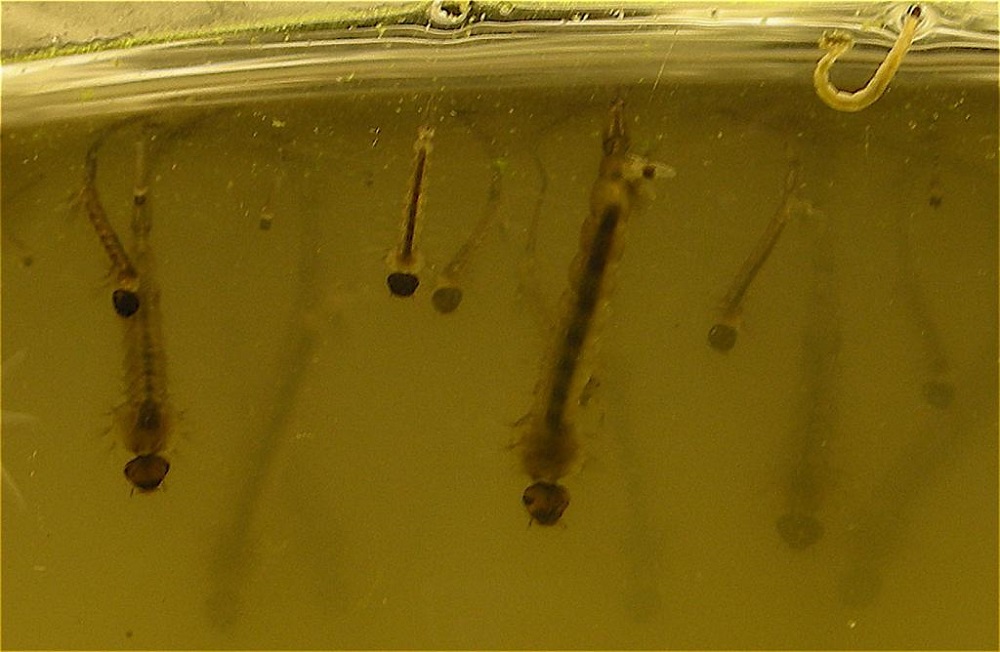
Other recommendations include washing containers such as pet’s water containers and plant pots every week with soap and water.
Not leaving piles of garbage or rubble in open areas, such as backyards, squares and vacant lots, is another important aspect. Cleaning gutters regularly is also another practice that can make a difference, with the appropriate removal of leaves that can pile up during the winter.
Source: Agência Brasil
More: Brazil news in English, every day from The Rio Times.
This article was produced by The Rio Times’ automated newsroom system. How we use AI · Report an error · Editorial responsibility: Matthias Camenzind, Editor-in-Chief