Disease More Severe Than Leishmaniasis is Discovered in Brazil
RIO DE JANEIRO, BRAZIL – A new disease, with symptoms similar to visceral leishmaniasis, yet more severe and resistant to treatment, was discovered in Sergipe. Two people have died from this disease, which has affected 150 people in Aracaju.
The parasite is still unknown, but researchers have already identified that it is different from Leishmania, responsible for Leishmaniasis.

The disease is being investigated by a group of Brazilian researchers, who have published an article in Emerging Infectious Diseases, the journal of the U.S. Center for Infectious Disease Control (CDC).
The research is conducted at the Center for Research on Inflammatory Diseases (CRID), with funding from the FAPESP (Foundation for Research Support of São Paulo).
Led by Professor Sandra Regina Costa Maruyama, of the Federal University of São Carlos (UFSCAR), the study is being developed in partnership with colleagues of Professor João Santana Silva’s team, from the Ribeirão Preto Medical School, University of São Paulo (FMRP-USP).
Diagnosis, symptom, and treatment
The diagnosis and treatment of patients were performed by the physician Roque Pacheco de Almeida, professor of the Department of Medicine of the Federal University of Sergipe, researcher and physician of the University Hospital/EBSERH of Aracaju.
In an interview with Agência Brasil, Almeida said that the disease has been infecting people since 2011 in the capital city of Sergipe when he diagnosed and treated the first case. This patient died in 2012, as a result of the disease.
According to him, the symptoms are very similar to those of kala-azar (the most popular name for visceral leishmaniasis), but they evolve more severely. “We treat many patients with kala-azar here. There are several of them every year. One of these patients did not respond to the treatment. He relapsed [the disease reappeared], we treated him again, he relapsed again.”
“And in the third relapse, skin lesions appeared. In patients who do not suffer from HIV, we do not see this. He wasn’t HIV positive and skin lesions appeared all over his body, like buds, which we call papules,” the doctor said.
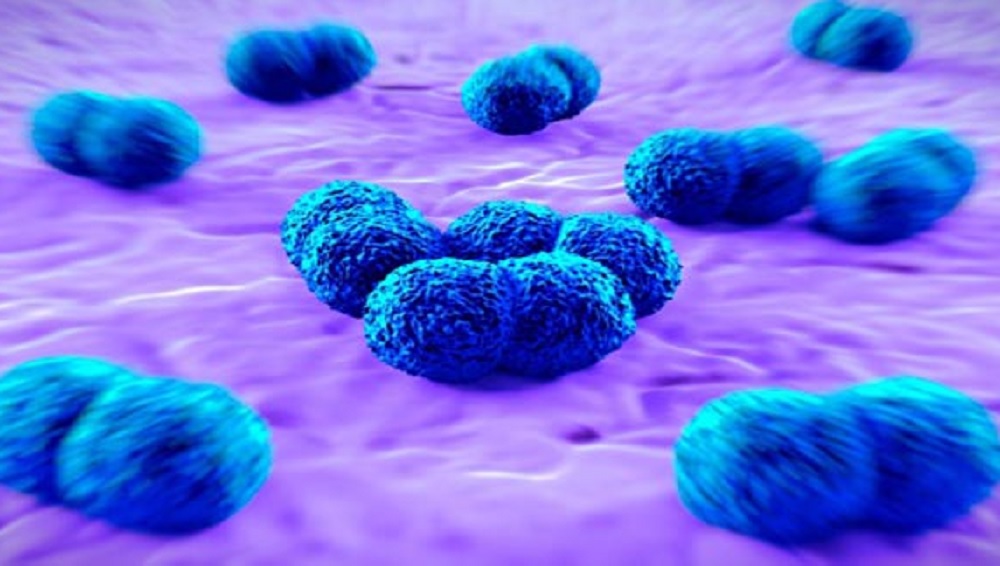
“When we performed a biopsy, they were cells teeming with parasites. And then the patient seriously evolved to what we call severe visceral leishmaniasis, hemorrhaging. His spleen was giant and we tried forms of treatment, but he didn’t survive,” he said.
Almeida collected tissue samples from this patient and sent them to João Santana Silva, an immunology specialist at FMRP-USP, who was unable to identify the parasite by traditional methods, comparing it to the already known species of Leishmania.
In 2014, biologist and immunologist Sandra Regina Costa Maruyama identified the parasite and began to suspect that it was actually a new parasite that had not yet been described by science.
“We were facing a severe case. As we didn’t know about other diseases, we thought it was a severe case of kala-azar. But when we checked, the parasite isolated from bone marrow, skin and spleen [of this patient] also behaved differently in a [laboratory] rat.
“The parasite [removed] from the skin caused lesions in the rat’s skin, but it did not affect the organs. And the parasite that came from the bone marrow caused lesions similar to kala-azar, in the spleen and in the liver [of the rat]. So we have two different parasites in the same patient,” Almeida said.
They then sequenced the parasite’s DNA, which was compared to that of other protozoa. Researchers then realized that it was not Leishmania. The new parasite resembles Crithidia fasciculata, which infects only insects and is unable to infect mammals. However, this new parasite species was capable of infecting humans and rats – and severely so.
According to Almeida, the 150 isolated patients are also being tested to determine if they were also infected by this new parasite. “Most of these patients also belong to this new group. In other words, the problem may be even greater than we think,” he said.
Researchers hope to soon be able to describe the new parasite and name the new disease. “We have identified a new parasite, a new disease, which results in severe disease and a therapeutic response that is neither entirely sufficient nor effective.”
“We want to understand the extent of this and where this parasite came from, whether it was a mutation. There’s an extensive line of research for us to investigate. We also want to see, geographically, where the parasite is expanding,” Almeida said.
According to the World Health Organization (WHO), between 50,000 and 90,000 people become ill every year with visceral leishmaniasis. Of the cases reported in Latin America, 90 percent occur in Brazil.
Also known as kala-azar, it is transmitted to humans through the sting of the females of the infected insect, popularly known as the sandfly or ‘birigui’.
Transmission to insects occurs when female mosquitoes sting dogs or other infected animals and then sting humans, transmitting the Leishmania chagasi protozoan, the cause of Visceral Leishmaniasis.
According to the Ministry of Health, these insects are small and have a yellowish or strawish color and, in a resting position, their wings remain upright and semi-open.
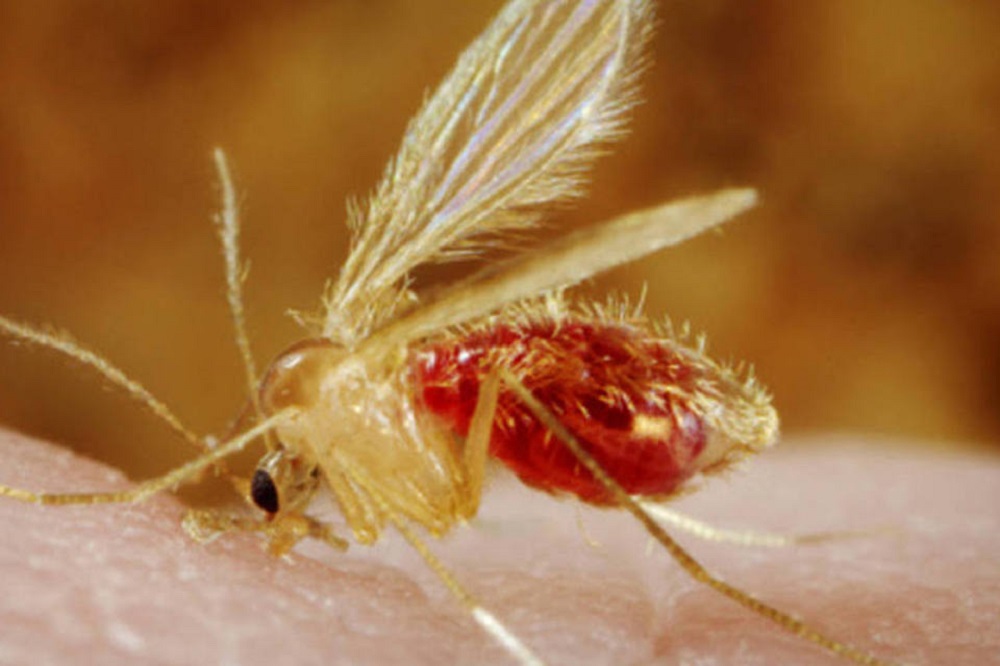
They develop in humid, shaded places rich in organic matter (leaves, fruits, animal feces and other waste that favor soil moisture).
In the urban environment, the dog is the main source of infection for the vector, developing the symptoms of the disease, which are: slimming, shedding, growth and deformation of the nails, leg paralysis, and malnutrition, among others.
In humans, the symptoms are long-lasting fever, increased liver, and spleen, weight loss, fatigue, reduced muscle strength and anemia. If left untreated, it can be fatal.
In 2017, according to the Ministry of Health, 4,103 cases of visceral Leishamiose were reported in Brazil, of which 1,824 were recorded in the Northeast Region.
On average, around 3,500 cases are reported annually. In recent years, mortality has increased gradually. In 2017, 327 people died in Brazil due to this disease.
More: Brazil news in English, every day from The Rio Times.
This article was drafted with automated assistance and reviewed before publication. How we use AI · Report an error
Read More from The Rio Times