Dollar Surpasses R$6 in Exchange Bureaus, Spurs Remittances from Abroad
RIO DE JANEIRO, BRAZIL – The dollar, which had already been soaring as a result of the Coronavirus crisis, gained a further boost on Friday, April 24th, as Sérgio Moro stepped down from the Ministry of Justice. The assessment of analysts and exchange operators is that the US currency should continue to appreciate in the short term.
The commercial dollar closed up 2.538 percent, at R$5.6653 buying and R$5.6681 selling. At the session’s peak, the currency reached R$5.7433. The futures dollar appreciated 0.87 percent to R$5.586. The rates were much higher in the currency exchange bureaus.

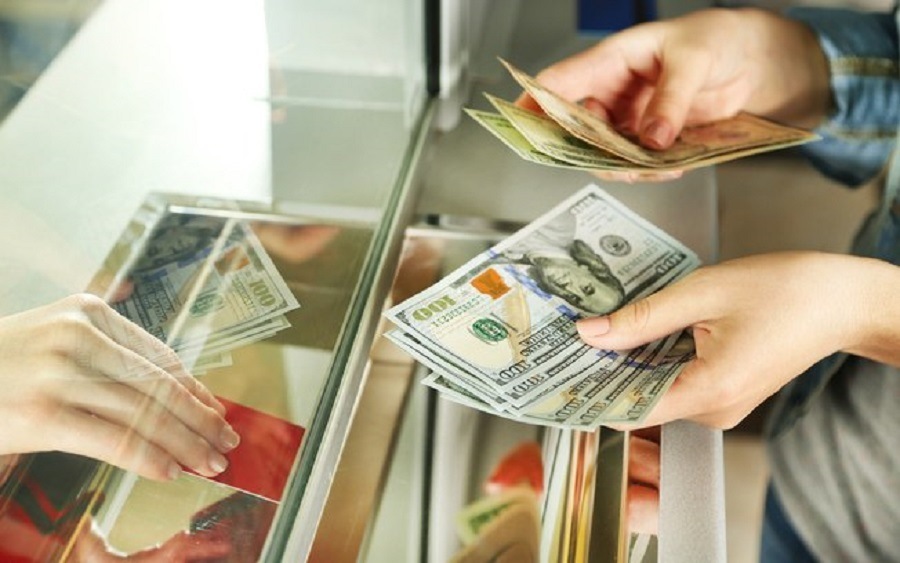
According to the MelhorCâmbio.com website, the quotation for buying the dollar in cash was R$5.87 in the São Paulo exchange bureaus, after the market closed on Friday. Earlier, the currency in cash was sold at over R$6. For pre-paid card charging, the quotation at the end of the day was R$6.38 – in the morning, it reached R$6.91.
In addition to the dollar, the euro also closed the day high. The increase was 2.471 percent, to R$6.1145 in purchase and R$6.1156 in sale. Earlier, the increase hit four percent. In foreign exchange bureaus, the currency in cash was quoted at R$6.28 after the market closed, while pre-paid card charging in euro was quoted at R$6.82 – it was well above R$7 in the morning.
The coronavirus pandemic has prompted the world’s central banks to take several measures to contain the negative economic impact of the outbreak. Among them has been the cutting of interest rates, aimed at lowering the cost of access to loans for companies and individuals.
Here in Brazil, the basic interest rate, the Selic, has now been cut to 3.75 percent per year, its lowest level in history – but it is expected to drop even further. According to the latest Central Bank Focus Bulletin, the market expects interest to drop to three percent per year by the end of 2020.
The president of the Central Bank, Roberto Campos Neto, pointed out this week that this should occur at the next COPOM (Monetary Policy Committee) meeting in early May. He said the credit offered by banks has started to flow in Brazil.
Lower interest rates in Brazil keep international investors away from the country, who benefit from higher interest rates than in developed countries, such as the United States. With this outflow of funds, the dollar supply decreases and, consequently, the price of the dollar tends to increase.
The political scenario also weighs on the dollar rate. Yesterday, the Minister of Justice Sérgio Moro announced his resignation by disagreeing with the switch in command of the Federal Police requested by President Jair Bolsonaro. He referred to “political interference” in the Federal Police (PF) and said that institutions must be independent.
“[Moro’s resignation] affects the market in several ways. The first and most obvious is that markets do not like uncertainty. In a typical scenario, a Minister resigning would be something important that would interfere with the market,” said Marcelo Giufrida, CEO of Garde Asset Management and former president of ANBIMA (Brazilian Financial and Capital Markets Association).
“But in the current context, it is worse. The President is under heavy criticism now; there was the removal of [former Minister of Health, Luiz Henrique] Mandetta, there was the much talked about ‘Marshall Plan’ with clear indications that the economic team was neither involved nor endorsed it, the timing is bad,” he said.
Fabrizio Velloni, head of the exchange desk at ‘Frente Corretora’, said the dollar’s appreciation against the Brazilian real is more pronounced than the appreciation against other emerging currencies due to the political crisis in Brazil. “This was occurring already after Mandetta’s removal, and it has now worsened with Moro’s resignation,” he said.
“It is the ghost of some kind of impeachment petition, endangering President Jair Bolsonaro’s mandate. The market ultimately prices this, and it has retreated. The outflow of resources from the country is now quite extensive, and we don’t have a short-term forecast for the return of this capital,” he said.
Transfers to Brazil grow
While lower interest rates and the political crisis drive foreign investors away from Brazil, Brazilians with money abroad are rushing to transfer funds into the country, profiting from the stressed exchange rate.
“As the coronavirus crisis has led to a major loss in securities abroad, we have been working as an option for Brazilians with funds abroad to repatriate this money into Brazil since March, profiting from the exchange rate. There was a great flow of customers benefiting from this,” said Velloni.
According to the Central Bank, in the first quarter of 2020, US$821 million in transfers from individuals came into Brazil – an 18.5 percent increase over the same period last year. In March alone, it was US$290 million, an increase of 1.4 percent.
At Travelex Bank, part of the Central Bank’s top 5 for international transfers, there was a 22.3 percent increase in money repatriation transactions in the first quarter of this year. In March alone, the increase in the institution was 30.8 percent.
“The change in the level of the real against other currencies, particularly the dollar, greatly favored the inflow of funds into the country. The Real depreciated nearly 14 percent against the dollar in the first quarter of 2020, compared to the first quarter of 2019”.
“As a result, those who had money out there for investments, for instance, had an opportunity to convert these amounts into Brazilian reais with this profit on conversion,” said Jorge Arbex, executive superintendent of the Travelex Confidence group.
“In addition, many Brazilians living abroad send money both to relatives here in Brazil and to settle commitments they still keep in the country. The dollars they send are now worth 14 percent more than a year ago”, he added.
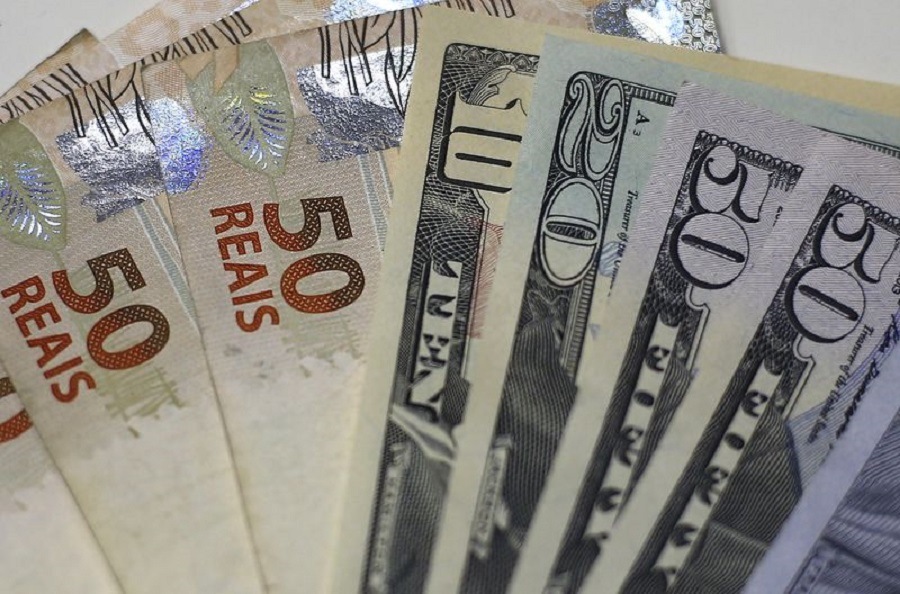
The same was noted by TransferWise, which saw the volume of transfers to Brazil increase by 50 percent in March, compared to the same period in 2019. It was a record volume since the company started operating in the country in 2016. However, the company did not disclose the exact amount of repatriated funds.
“The favorable quotation undoubtedly benefited expatriate Brazilians and foreigners who need to send money to Brazil, which was reflected in this new record of volumes traded through our platform,” said Heloisa Sirotá, general manager of TransferWise in Brazil, in a note. Worldwide, TransferWise processes US$5 billion per month.
Source: InfoMoney
More: Brazil news in English, every day from The Rio Times.
This article was drafted with automated assistance and reviewed before publication. How we use AI · Report an error · Editorial responsibility: Matthias Camenzind, Editor-in-Chief