IBOV 171,031.73 ▲ 1.85% IPSA 11,338.38 ▲ 0.89% IPC MEX 65,729.18 ▲ 2.14% MERVAL 2,913,184 ▲ 1.30% COLCAP 2,459.23 ▲ 0.61% BVL PERÚ 58,698.13 ▲ 2.60% USD/BRL5.14— 0.00% USD/MXN16.93▲ 0.13% USD/CLP914.28— 0.00% USD/COP3,044▲ 0.21% USD/PEN3.36▲ 0.04% USD/ARS1,499▼ 0.03% USD/UYU40.20▲ 1.52% USD/PYG5,996▲ 1.39% USD/BOB11.43▲ 0.51% USD/DOP58.61▼ 0.07% USD/CRC450.05▲ 1.95% USD/GTQ7.62▲ 2.13% USD/HNL26.81▲ 1.55% USD/NIO36.62— 0.00% USD/VES782.70▼ 0.13% USD/PAB1.00— 0.00% USD/BZD2.00— 0.00% USD/JMD 157.28 — 0.00% USD/TTD6.71▲ 0.82% EUR/BRL6.00▲ 0.03% BRENT 88.88 ▼ 0.03% WTI 83.11 ▼ 0.11% IRON ORE 161.91 — — COPPER 6.61 ▲ 0.03% GOLD 4,461 ▲ 1.78% SILVER 65.59 ▲ 1.26% SOY 1,184 ▲ 3.20% CORN 480.50 ▲ 10.02% WHEAT 655.00 ▲ 3.93% COFFEE 317.25 ▼ 5.51% SUGAR 16.43 ▼ 1.79% ORANGE JUICE 138.55 ▼ 0.47% COTTON 85.03 ▲ 2.33% COCOA 5,719 ▲ 3.18% BEEF 223.60 ▼ 3.93% CATTLE 339.10 ▼ 3.16% LITHIUM 75.20 ▲ 1.47% PETR4 41.64 ▼ 0.05% VALE3 72.97 ▲ 0.83% ITUB4 38.60 ▼ 1.03% BBDC4 16.85 ▲ 0.36% ABEV3 14.89 ▼ 0.80% BBAS3 19.37 ▲ 0.47% B3SA3 14.26 ▼ 0.21% WEGE3 47.59 ▲ 0.49% PRIO3 59.14 ▼ 0.19% SUZB3 41.33 ▲ 2.35% RENT3 34.68 ▼ 0.09% AZZA3 15.89 ▼ 2.63% CSAN3 3.22 ▼ 1.83% RAIZ4 0.25 — 0.00% PCAR3 2.75 ▼ 0.36% GMAT3 3.65 ▼ 1.08% PSSA3 48.13 ▼ 0.54% CVCB3 1.33 ▼ 2.92% POSI3 3.36 ▲ 2.44% SLCE3 13.34 ▲ 0.30% NATU3 8.14 ▼ 0.73% IBOV 171,031.73 ▲ 1.85% IPSA 11,338.38 ▲ 0.89% IPC MEX 65,729.18 ▲ 2.14% MERVAL 2,913,184 ▲ 1.30% COLCAP 2,459.23 ▲ 0.61% BVL PERÚ 58,698.13 ▲ 2.60% USD/BRL 5.16 ▲ 0.01% USD/MXN 17.06 ▼ 0.24% USD/CLP 913.98 ▲ 0.04% USD/COP 3,140 ▲ 0.03% USD/PEN 3.36 ▼ 0.66% USD/ARS 1,493 ▲ 0.10% USD/UYU 40.27 ▲ 1.24% USD/PYG 5,939 ▲ 1.68% USD/BOB 11.64 ▼ 0.76% USD/DOP 58.34 ▲ 1.25% USD/CRC 445.92 ▲ 0.89% USD/GTQ 7.62 ▲ 2.21% USD/HNL 26.79 ▲ 1.57% USD/NIO 36.62 ▲ 0.69% USD/VES 762.44 ▼ 0.13% USD/PAB 1.00 — 0.00% USD/BZD 2.00 — 0.00% USD/JMD 157.28 — 0.00% USD/TTD 6.70 ▲ 0.61% EUR/BRL 5.95 ▲ 1.01% BRENT 88.88 ▼ 0.03% WTI 83.11 ▼ 0.11% IRON ORE 161.91 — — COPPER 6.61 ▲ 0.03% GOLD 4,461 ▲ 1.78% SILVER 65.59 ▲ 1.26% SOY 1,184 ▲ 3.20% CORN 480.50 ▲ 10.02% WHEAT 655.00 ▲ 3.93% COFFEE 317.25 ▼ 5.51% SUGAR 16.43 ▼ 1.79% ORANGE JUICE 138.55 ▼ 0.47% COTTON 85.03 ▲ 2.33% COCOA 5,719 ▲ 3.18% BEEF 223.60 ▼ 3.93% CATTLE 339.10 ▼ 3.16% LITHIUM 75.20 ▲ 1.47% PETR4 41.64 ▼ 0.05% VALE3 72.97 ▲ 0.83% ITUB4 38.60 ▼ 1.03% BBDC4 16.85 ▲ 0.36% ABEV3 14.89 ▼ 0.80% BBAS3 19.37 ▲ 0.47% B3SA3 14.26 ▼ 0.21% WEGE3 47.59 ▲ 0.49% PRIO3 59.14 ▼ 0.19% SUZB3 41.33 ▲ 2.35% RENT3 34.68 ▼ 0.09% AZZA3 15.89 ▼ 2.63% CSAN3 3.22 ▼ 1.83% RAIZ4 0.25 — 0.00% PCAR3 2.75 ▼ 0.36% GMAT3 3.65 ▼ 1.08% PSSA3 48.13 ▼ 0.54% CVCB3 1.33 ▼ 2.92% POSI3 3.36 ▲ 2.44% SLCE3 13.34 ▲ 0.30% NATU3 8.14 ▼ 0.73%
since 2009
Monday, August 24, 2026

Brazil Business - Brazil

Eating Eggs, Pork, and Chicken in Europe Increases Deforestation in Brazil

By · June 13, 2019 · 3 min read

Daily Brief

The morning intel from across Latin America. Free.

By subscribing you agree to our privacy policy. We never share your email.

By Richard Mann, Contributing Reporter

RIO DE JANEIRO, BRAZIL – Environmental organization Greenpeace alerted on Tuesday, June 11th, that eating eggs, chicken or pork in Europe increases deforestation in Brazil and Argentina.
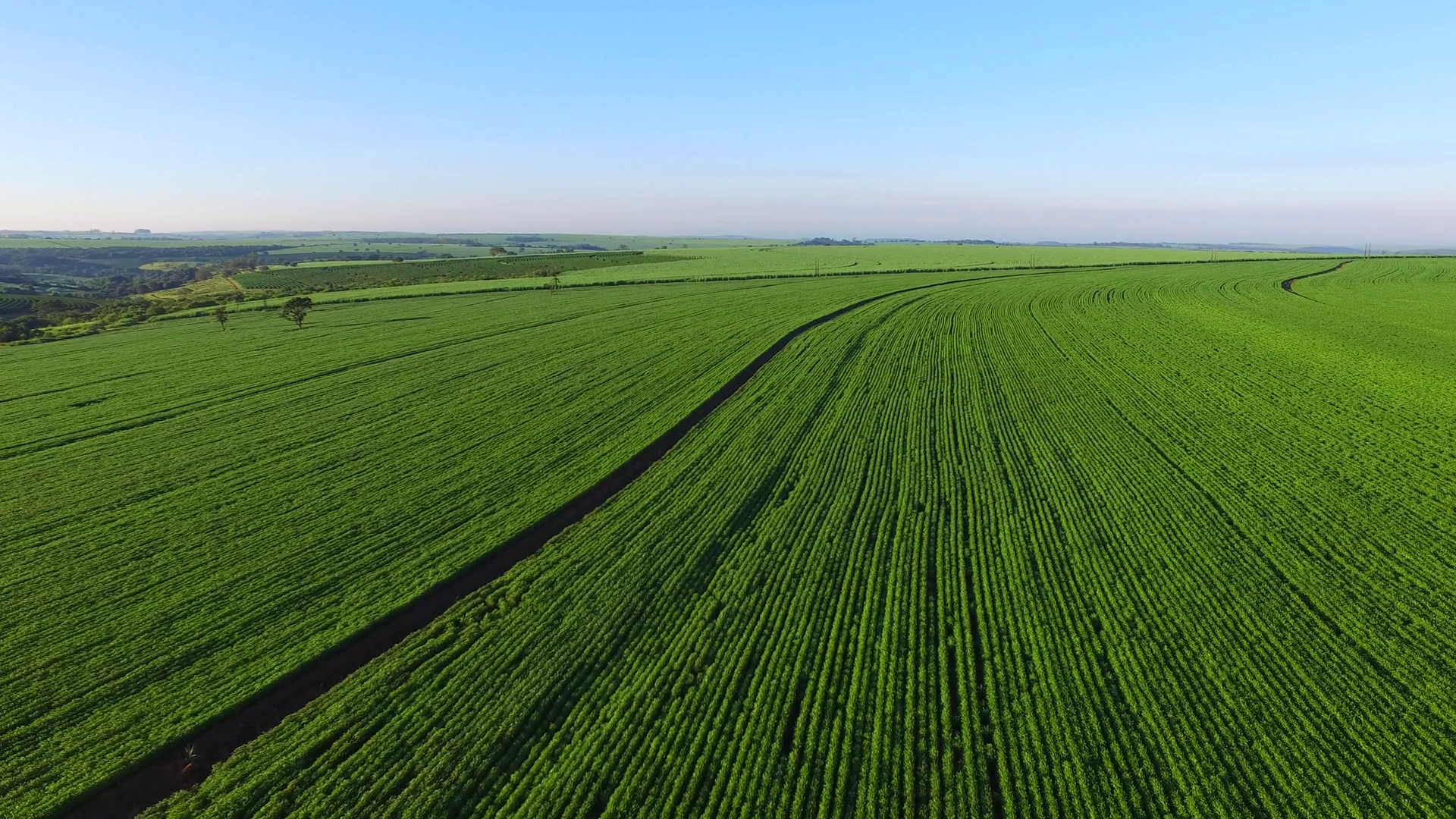
87 percent of soybeans imported into Europe are used for animal feed.
87 percent of soybeans imported into Europe are used for animal feed. (Photo internet reproduction)
One-stop reference
Company Intelligence
Every listed company in Latin America — financials, ownership and structure for 1,450+ companies across 26 exchanges, in one place.
Browse the directory →
RT
Ask Rio Times
Latin American markets, currencies and companies.
Open the full Ask Rio Times →

The NGO notes that large-scale imports of transgenic soybeans are increasingly encouraging Latin American producers to ravage forests to plant the oilseed, used to feed animals in Europe.

According to Greenpeace, more than 95 percent of Brazilian and Argentinian soybeans are genetically modified. Over half of the soybeans consumed in the European Union come from the two countries, according to the report (37 percent from Brazil, 29 percent from Argentina, 15 percent from the United States and 19 percent from the rest of the world).

“Plantations in these two countries lead to deforestation, as the goal is to produce soybeans for animal feed, mainly in Europe,” Cécile Leuba, author of the study, told Agence France Presse (AFP).

Soya in feed

Entitled “Passionate about meat, Europe feeds the climate crisis with its dependence on soybeans”, the study shows that 87 percent of soybeans imported into Europe are used for animal feed.

Three-quarters of imports are intended for industrial raising of chickens for slaughter and laying hens (fifty percent), or pigs (24 percent). Dairy cows consume sixteen percent of imported soybeans and beef cows seven percent.

“We are denouncing the European Union’s double standards, which, on the one hand, ban GMOs and many pesticides. But on the other hand, permit the import of GMO soybeans cultivated with pesticides banned in Europe,” says Leuba.

“We want to show Europeans that the consumption of meat, eggs, and dairy products conceals deforestation, as the majority of farm animals feed on soybeans daily,” she explained.

“Soy production in Brazil has more than quadrupled in the last 20 years,” reads the report.
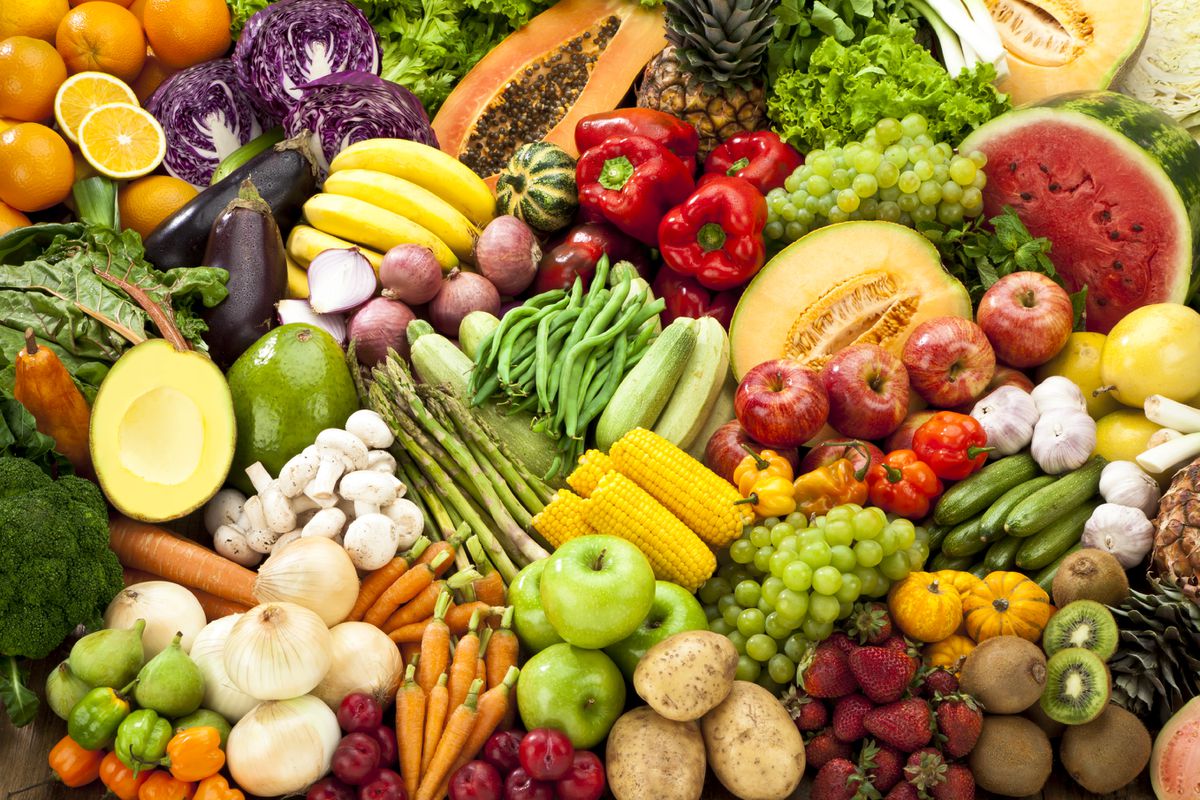
"Meat and dairy consumption needs to be reduced by about 80 percent by 2050," says Greenpeace.
“Meat and dairy consumption needs to be reduced by about 80 percent by 2050,” says Greenpeace. (Photo internet reproduction)

Savannas and biomes

If Amazonia is “relatively protected from this expansion” as a result of the moratorium negotiated in 2006 between Brazilian NGOs, companies, and authorities, soybean cultivation has developed in the savannas and biome forests, which “have lost half of their native vegetation.”

Since 1990, pesticide use per unit area has “increased by more than 170 percent in Argentina and Brazil,” Greenpeace estimates, and “the EU would not authorize over one-third of the pesticides allowed in Brazil.”

However, the NGO considers it impossible for the EU or France to relocate non-GM crops to the old continent to make up for this. In France alone further 11,980 km² would be required to produce the 3.5 million tonnes of soybeans imported each year (including 2 million from Brazil), that is, nearly all the agricultural land of Morbihan, Côtes d’Armor and Finistère combined.

To reduce greenhouse gas emissions, the NGO advocates a “transformation of the agricultural system” by reducing the consumption and production of animal protein.

“In Western Europe, where meat and dairy consumption is almost double the global average, it needs to be reduced by about 80 percent by 2050,” says Greenpeace.

This article was produced by The Rio Times’ automated newsroom system. How we use AI · Report an error

Read More from The Rio Times

The Rio Times · Power Map
See who really holds power in Latin America
Click to open the Power Map

Rotate for Best Experience

This report is optimized for landscape viewing. Rotate your phone for the full experience.