Election Campaigns Start in Brazil with More Funds for Black Candidates
SÃO PAULO, BRAZIL – As the 2020 municipal electoral campaign gets underway in Brazil this Sunday, a statutory rule recently enforced by the country’s Supreme Court has been praised by lawmakers and racial justice activists as an important step in promoting equality and balance in the electoral dispute.

The statute, passed in late August, states that political parties will have to divide equally between white and black candidates their finances from the Special Campaign Funding Fund (FEFC) as well as their radio and television time between white and black candidates. The STF decision applied the statute to this year’s election, overturning a prior ruling that delayed its application until 2022.
“It is a revolutionary moment. Black candidates today hardly receive any funds for their campaigns,” Helio Santos, president of the Brazilian Diversity Institute (IBD) tells The Rio Times.
The consequence, says Santos, is low representation in Brazil’s federal, state and municipal legislatures. “Young people, blacks and women are not in power; white men over 50 years old are. This is the face of power in Brazil. This distortion brings about poor-quality political decisions, which always defend the same interests,” he adds.
According to Brazil’s Institute of Geography and Statistics (IBGE), Afro-Brazilians make up more than half of the country’s population (56.1%) but only hold one tenth of the seats in Congress.
“The Brazilian Congress is ruled by white men, when actually this group is the smallest in Brazilian society. The first largest group is that of black women, then white women, then black men and only after is it white men,” explains Santos.
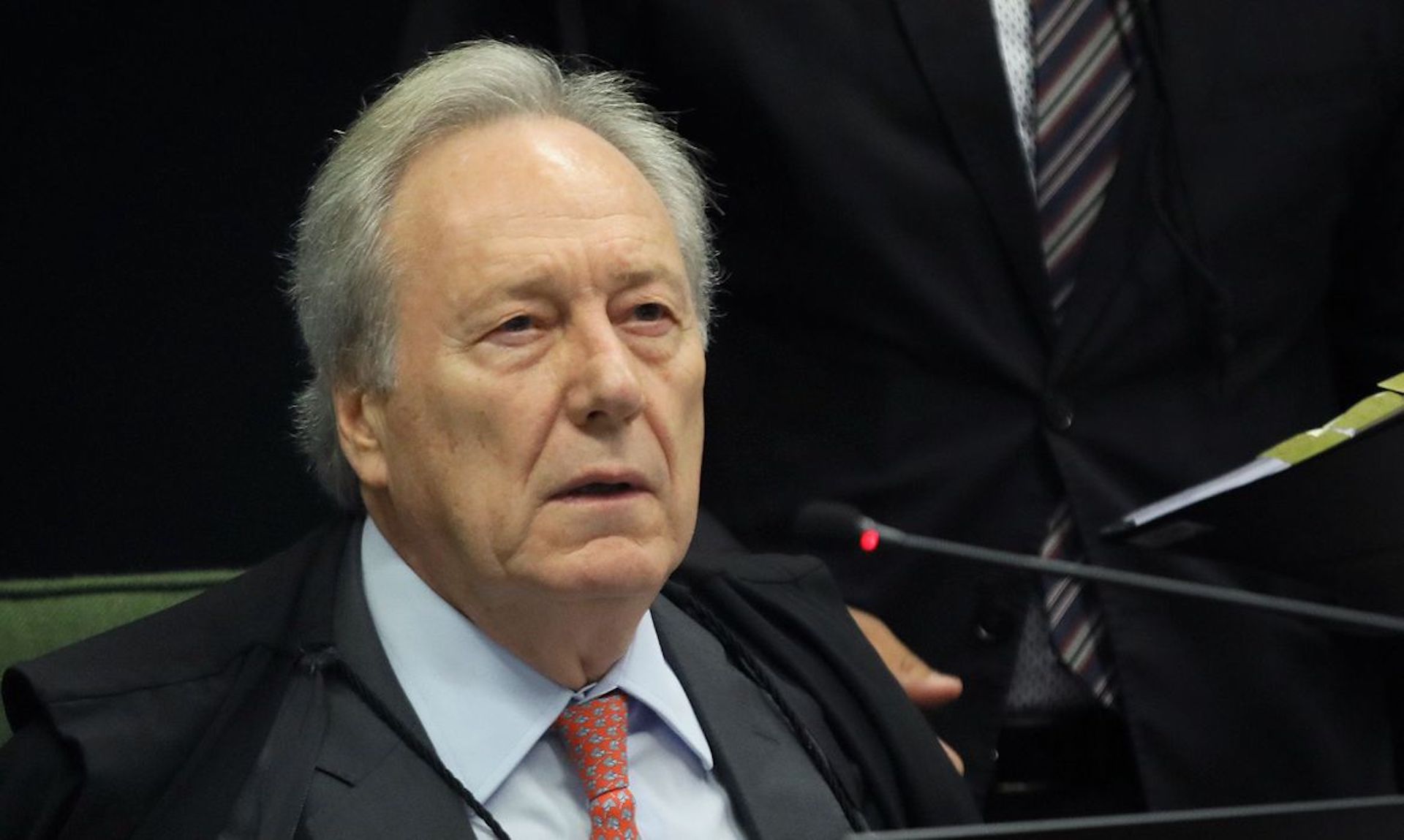
“What (Supreme Court Justice Ricardo) Lewandowski wants to do was to seek equity and not equality,” says the IBD President.
“There is a difference between equality and equity. Equality does not put us on the same level as whites. If you want equality you need equity,” he argues.
Although political parties have raised questions as to how to divide the resources so that they can fulfill the requirement, elected lawmakers praised the new rules in the political campaigns.
“I support the decision of the STF that determines the division of the party fund between whites and blacks in this election. This balances opportunities and corrects historical distortions. It is just that electoral disputes occur with equal opportunities for different races and genders,” said Senator Renan Calheiros in his social media accounts.
According to Justice Lewandowski the division of the resources should be calculated from the percentage of each gender. “First, the candidates must be distributed in two groups – men and women. Next, the percentage of applications from black women in relation to the total number of female applications must be established, as well as the percentage of applications from black men in relation to the total number of male applications,” states the Justice’s decision.
Although racial justice activists say that a significant change is not likely to be seen in the November elections, within the next ten years there should be more black representation in all spheres of government.
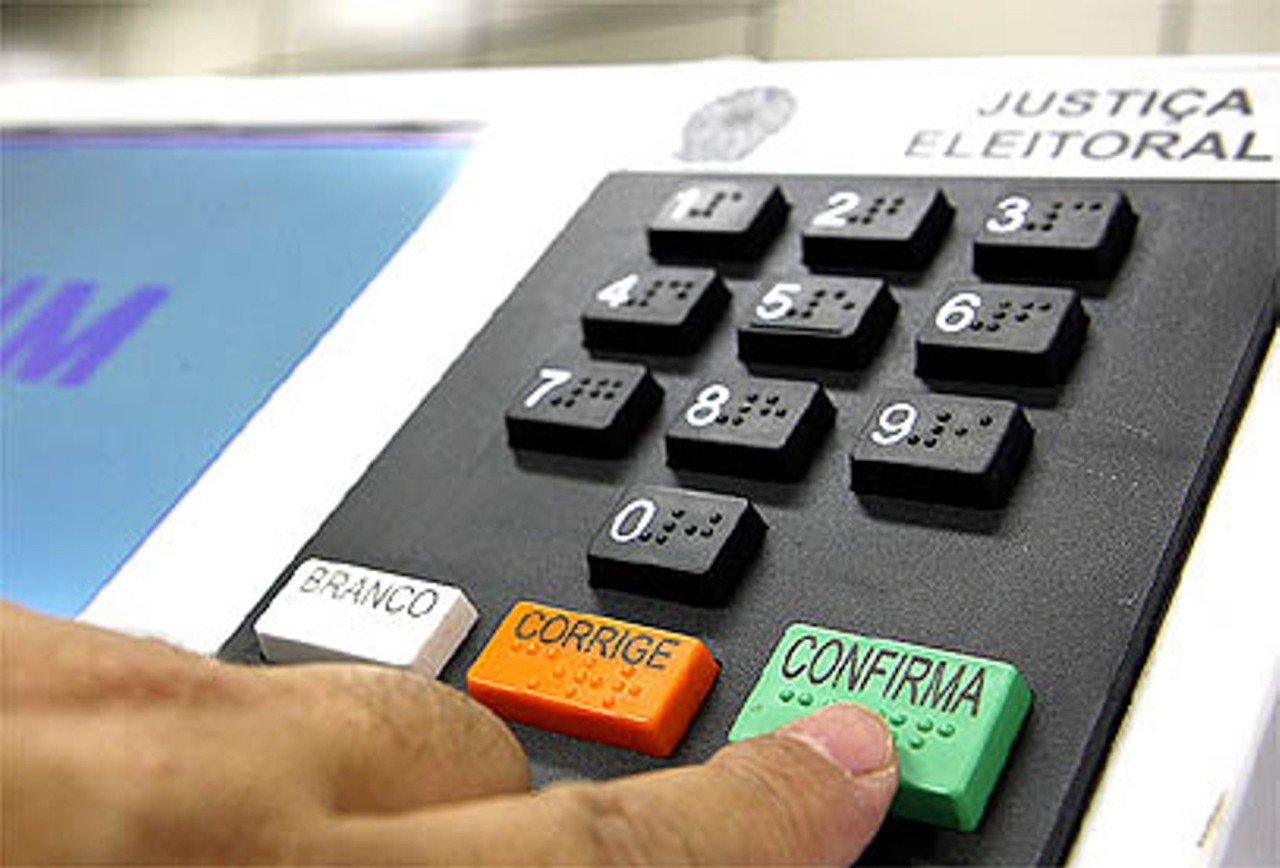
“I think that by 2024’s municipal elections, and again in 2026, during general elections, we will see significant changes in the ‘color of Congress’. Blacks in Brazil today are a reference in football and music, and with opportunities like these we can also be a reference in the field of science, medicine, and politics,” says Santos.
Since candidates usually self-declare their race when running for office, one problem that may arise is who will be considered black, say analysts.
“There are already a lot of people saying that they have black cousins, that their grandfather was black, and so on,” Valneide Nascimento, national secretary of the Negritude group within the Brazilian Socialist Party (PSB), was quoted as saying in a national newspaper.
In the 2016 municipal elections, when there was no division of funds stipulated according to race, 51 percent of candidates declared themselves to be white, while 59 percent of those elected stated they were white.
Today, most political parties admit that Afro-Brazilians make up a small percentage of candidates and an even lower percentage receive significant funds for their campaigns. This year the FEFC fund is estimated to have over R$2 billion to distribute to political parties.
“In the PT (Workers Party), only 32 percent of candidates are black. In 2016 how much (money) was directed towards black candidates? Zero,” said Martvs Chagas, the PT’s anti-racism secretary during an interview last month.
Nonetheless, Helio Santos believes that the money will reach black candidates. “I think that many people will monitor if funds are going to the right candidates. Brazilian society today is very observant. We will oversee this new rule,” says Santos.
Due to the Covid-19 pandemic, this year’s municipal elections usually held in October, were transferred to November. The first round of elections will be held on November 15th and the second round, where necessary, will be held on November 29th.
More: Brazil news in English, every day from The Rio Times.
In depth
Editorial responsibility: Matthias Camenzind, Editor-in-Chief · Editorial standards · Report an error
Brazil runoff, Sunday, October 25: Brazil runoff date. Latest: Brazil runoff polls, Flávio 51%, Lula 49%.