Five Latin American Countries With new Travel Restrictions
RIO DE JANEIRO, BRAZIL – New travel restrictions, including tougher entry requirements, have come into effect all across Latin America this week, that will greatly impact travelers in the area.
As Europe saw tough lockdowns and closures throughout the end of 2020, many travelers looked towards Central and South America for their next destinations, as most countries were in the process of removing restrictions, making entry a breeze.
Now as we begin 2021, a concerning new trend is sweeping Latin America bringing new quarantine and testing requirement, curfews and other travel restrictions that tourists need to know about.
Chile
After being closed for over 8 months, Chile finally reopened for tourism on November 23rd, 2020, allowing tourists from all countries to visit as long as they brought a 72-hour negative PCR test with them. However, due to fears over the new virus strains, Chile dramatically changed entry requirements for all arrivals.
Now, as of January 1st, 2021, all passengers arriving into Chile must quarantine for 10 days, on top of the 72-hour PCR testing requirement.

A strict 10-day quarantine is a major deterrent for any tourists entering the country and couldn’t come at a worse time for locals employed in the tourism industry. Just as tourism operators were reopening their doors and spending money to retrofit their establishments to meet health and safety standards, the 10-day quarantine came into effect.
In order to keep Chile on the radar for some travelers, the government is allowing passengers to ‘test out’ of quarantine on the 7th day with a PCR test. But since the PCR test can only be performed on Day 7, and waiting for negative results is required, in reality it will only allow travelers to leave quarantine 1-2 days early, not to mention with extra costs incurred.
Peru
Chile wasn’t the only country this week to implement harsh quarantine rules.
Starting on January 4th, 2021, the government of Peru will be reinstating the blanket 14-day quarantine for all passengers entering the country.
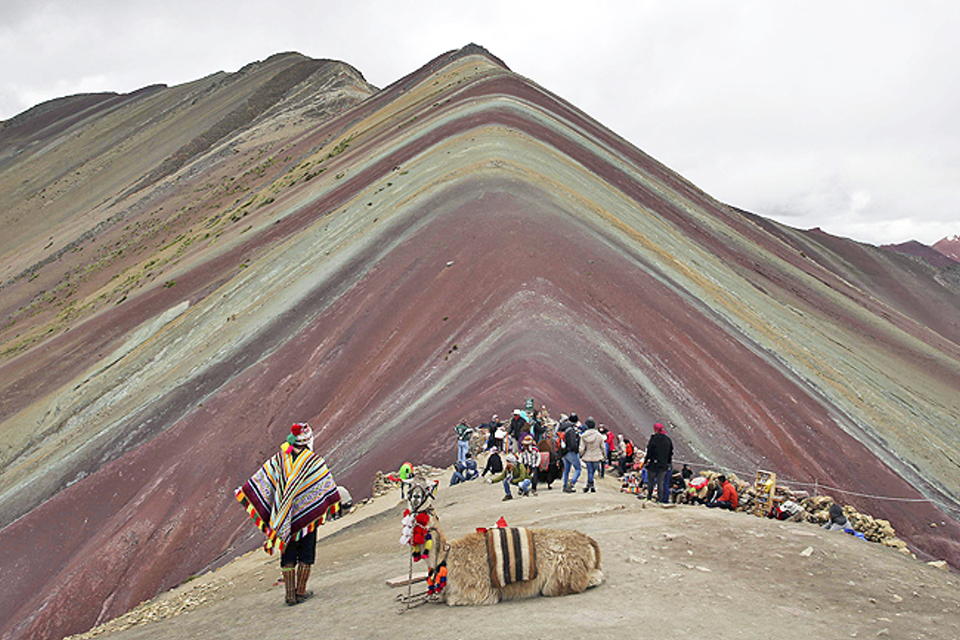
Peru just reopened for tourism on October 5th, 2020, which gave the nation only three months of tourism recovery until these new restrictions come into play.
Travelers still need to fulfill the testing requirement which demands a PCR test be taken, with negative results available, within 72 hours of departure from the first embarkation point into the country. Without proof of these negative results, the passenger will not be able to board their flight into Peru.
The new quarantine and testing restrictions will essentially shut down Peru’s already crippled tourism industry once again.
Brazil
Brazil, a country that had been open with virtually no restrictions since July 29th, 2020, is now demanding a negative PCR test from all arrivals.
The new testing rule started on Wednesday, December 30th, and requires all passengers, whether citizens or foreign tourists, to show proof of a negative PCR test, taken no longer than 72 hours before departure of the inbound flight.
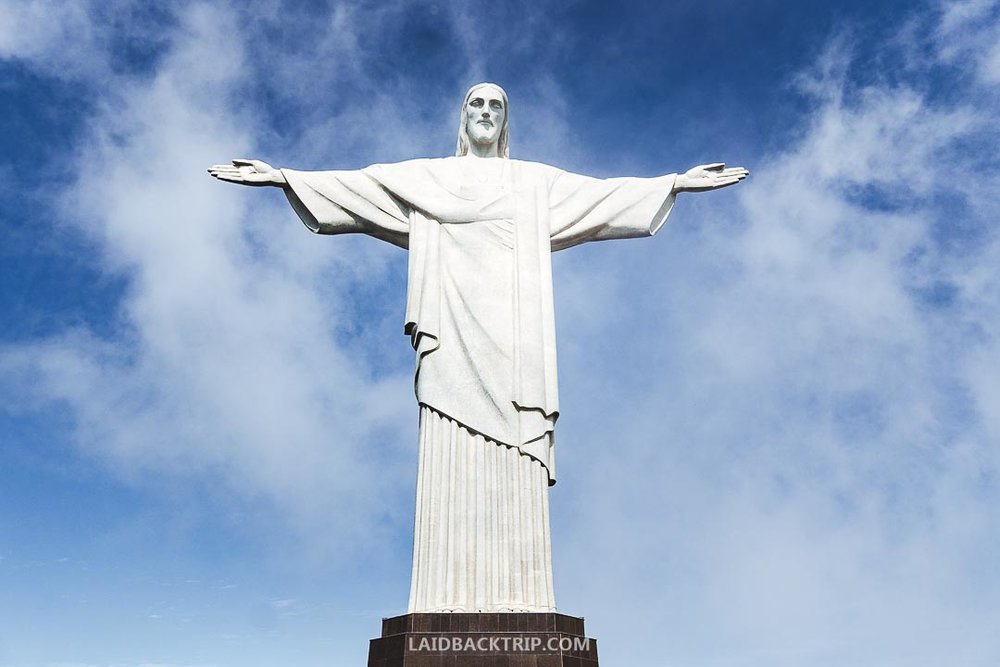
While the addition of the PCR test came as a surprise, no changes have yet been made within Brazil that might affect travelers.
Currently, Brazil has no mandated curfews, inter-regional travel is still permitted, retailers and restaurants are open, and hotels are accepting guests. Some cities and regions have varying rules and regulations, but in large the country has relaxed many of their mandated restrictions. However, with tightening rules at the border, regional measures might be next.
Cuba
On January 1st, Cuba’s new testing rules came into effect.
All travelers must now present proof of a negative COVID-19 test taken no older than 72 hours before traveling to Cuba
Travelers will also be tested again upon arrival in Cuba. Tourists not staying in resorts will be asked to self-isolate in their accommodation until a negative test result is received.
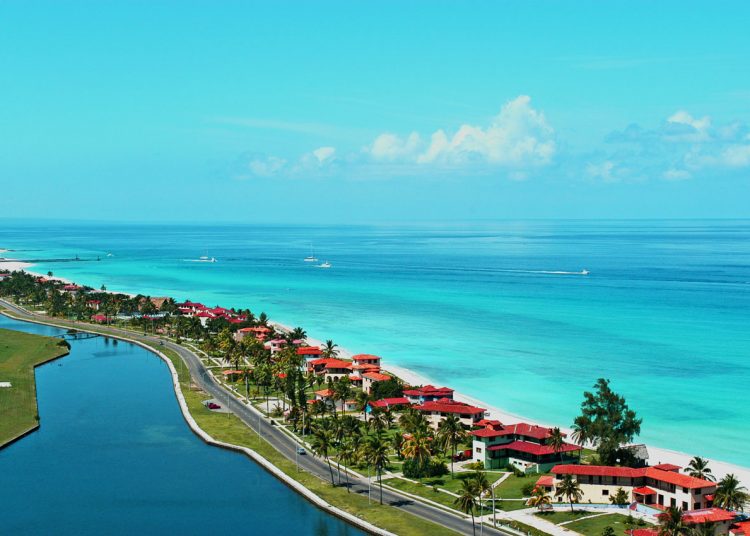
Previous to the change Cuba was only testing passengers upon arrival, but since fully reopening in October, Cuba saw a doubling in the daily cases throughout December, prompting the government to make changes to the entry requirements.
Dominican Republic
While the Dominican Republic is still open to all tourists with no testing or quarantines, new regulations and rules are happening inside the country that might affect visitors.
From January 1st until January 10th, the DR will see additional hours on the nationwide curfew, as well as increased restrictions and closures.
Consumption in bars, restaurants, and other drinking establishments is prohibited.
Open air public spaces, including sports locations, are closed.
All public religious activities are suspended.
Curfew will change from 9pm – 5am Monday to Friday to: 5pm to 5am
Curfew will change from 7pm – 5am Saturday to Sunday to: 12pm noon to 5am.
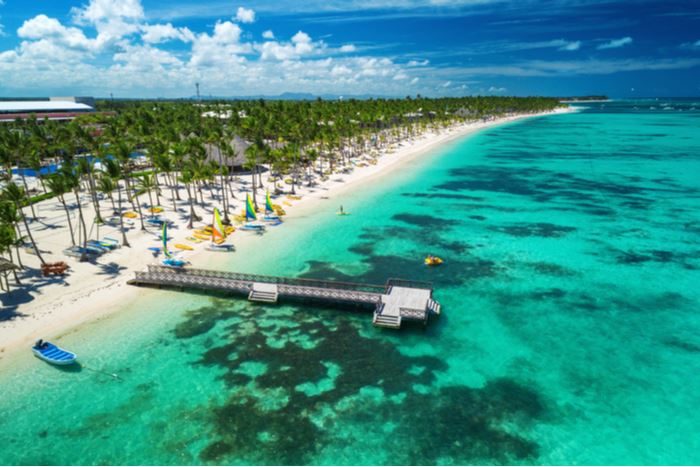
While the restrictions are only set to last until January 10, further rules could be implemented or extended if the epidemiological situation doesn’t improve.
News of restrictions sweeping across Latin America has travelers worried about which countries might be next.
Countries like Colombia and Costa Rica are all still wide open, but whispers of looming lockdowns have tourists concerned about future travel plans.
A few weeks ago, rumors that Colombia was going to reinstate the PCR testing requirement were published but soon dismissed by the government.
This article was produced by The Rio Times’ automated newsroom system. How we use AI · Report an error
Read More from The Rio Times