Forty-Five Million Adult Brazilians do not Use Bank Accounts
RIO DE JANEIRO, BRAZIL – A survey carried out by the “Instituto Locomotiva” shows that there are 45 million people in Brazil who have not used a bank account for over six months or who have chosen not to have a bank account. In other words, one out of every three adult Brazilians does not have a bank account. According to the survey, this group annually transfers more than R$800 billion (US$200 billion) in Brazil.
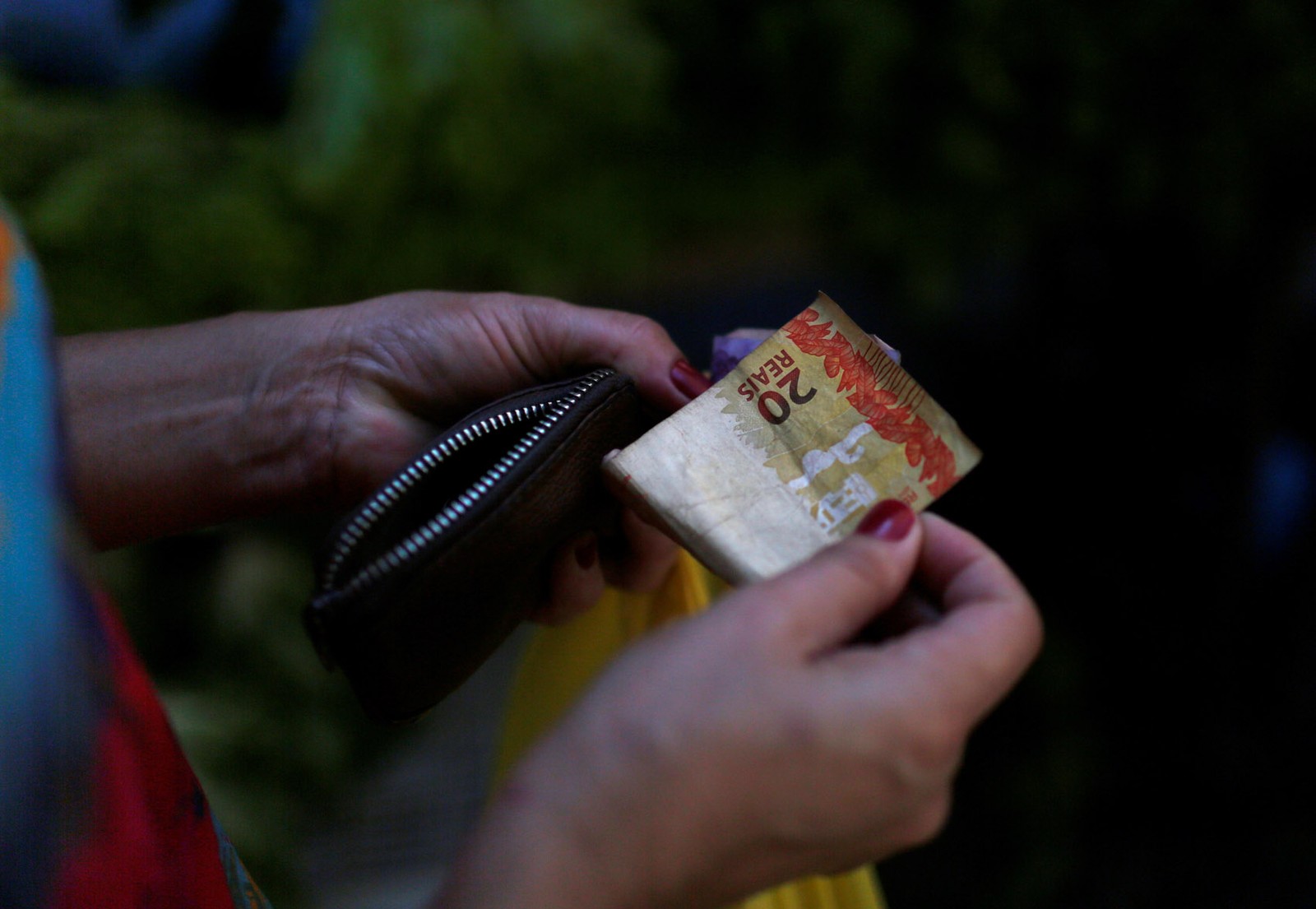
According to the president of the Instituto Locomotiva, Renato Meirelles, the obvious conclusion of the survey is that Brazil would be quicker to emerge from the economic downturn if the banking sector were to grow.
Meirelles explained that since these people do not have access to credit, they need to wait for up to three years to raise enough money to buy a refrigerator, a cell phone or a new TV. If they had access to credit, they could pay for these purchases in such a way as to obtain these goods right away. According to him, this causes the economy to circulate. Given this enormous share of people without banks, Meirelles estimated that the Brazilian economy will take a while to revive.
Women
Held in May of this year with 2,150 Brazilians aged 16 and over, in 71 cities across the country, the survey shows that the those without banks represent 29 percent of Brazil’s adult population. Six out of ten are women, that is, the female share represents 59 percent of the total, compared to 41 percent for men.
Seven out of ten, or 69 percent of the total surveyed, are black or mixed-race, compared to 29 percent of whites and two percent of Asians and indigenous people.
Economic classes
Eighty-six percent of those without bank accounts are concentrated in the C, D, and E economic classes, which are the least connected and most informally employed segments of the population. Of these, 49 percent are in the middle class (C). Of the 45 million total, 58 percent only have elementary schooling or no education; 31 percent said they had received a loan and 45 percent said they had resorted to family members and 25 percent to friends. Only 24 percent turned to banks or financial institutions to obtain financing or loans.
Sixty-nine percent of those without banks buy on credit, that is, they run a tab to pay for their purchases at the end of the month; 51 percent admit they have already used someone else’s credit card. As Renato Meirelles explained, the preference to buy from small retailers is due to the greater discount that these people get. Many are former bank customers who have not had a good experience and do not think their money is properly stored in banks. Regarding the financial transactions of this portion of Brazilians, which reaches R$817 billion, Meirelles jokingly said that “it’s a lot of money to keep under the mattress.”
Cash
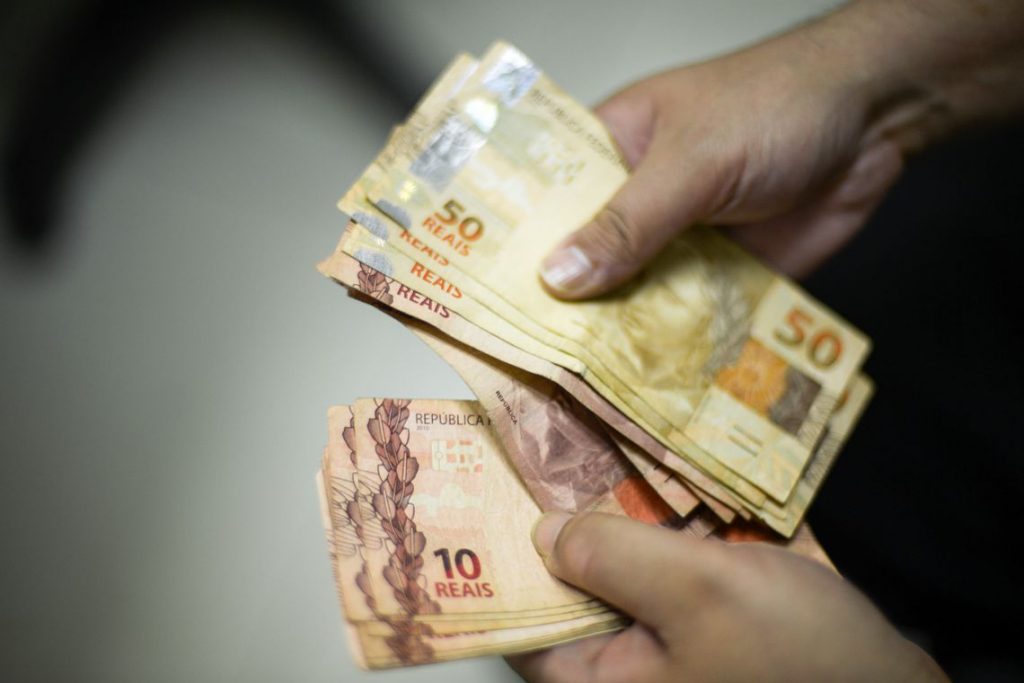
In general, these are low-income people, who do occasional jobs for which they prefer to be paid in cash. Of the total number of unbanked people, 62 percent live in the interior, and nearly four out of ten live in the Northeast (39 percent). Meirelles explained that although the Southeast is the country’s largest region in terms of population, it does not represent the largest portion of the unbanked population. “The farther inland and into the Northeast, the greater the number of accounts booklets, or credit booklets, that had their origin in retail.”
Half of those without bank accounts are aged between 16 and 34, with a mean age of 27. Twelve percent, despite not having a bank account, have one or more credit cards, while 75 percent of them avoid resorting to banks as much as possible. The shortage of money is the reason pointed out by 31 percent of the Brazilian population for not having a bank account: 29 percent prefer to use cash, while 49 percent do not trust the banks.
More: Brazil news in English, every day from The Rio Times.
This article was produced by The Rio Times’ automated newsroom system. How we use AI · Report an error · Editorial responsibility: Matthias Camenzind, Editor-in-Chief
Brazil runoff, Sunday, October 25: Brazil runoff: date, poll closing times and when results start. Latest: Brazil runoff polls, Flávio 51%, Lula 49%.