IBOV 171,031.73 ▲ 1.85% IPSA 11,338.38 ▲ 0.89% IPC MEX 65,729.18 ▲ 2.14% MERVAL 2,913,184 ▲ 1.30% COLCAP 2,459.23 ▲ 0.61% BVL PERÚ 58,698.13 ▲ 2.60% USD/BRL5.14▲ 0.02% USD/MXN16.92▲ 0.08% USD/CLP914.28— 0.00% USD/COP3,043— 0.00% USD/PEN3.36▲ 0.04% USD/ARS1,499▼ 0.03% USD/UYU40.20▲ 1.52% USD/PYG5,996▲ 1.39% USD/BOB11.43▲ 0.51% USD/DOP58.61▼ 0.07% USD/CRC450.05▲ 1.95% USD/GTQ7.62▲ 2.13% USD/HNL26.81▲ 1.55% USD/NIO36.62— 0.00% USD/VES782.70▼ 0.13% USD/PAB1.00— 0.00% USD/BZD2.00— 0.00% USD/JMD 157.28 — 0.00% USD/TTD6.71▲ 0.82% EUR/BRL6.00▼ 0.03% BRENT 88.88 ▼ 0.03% WTI 83.11 ▼ 0.11% IRON ORE 161.91 — — COPPER 6.61 ▲ 0.03% GOLD 4,461 ▲ 1.78% SILVER 65.59 ▲ 1.26% SOY 1,184 ▲ 3.20% CORN 480.50 ▲ 10.02% WHEAT 655.00 ▲ 3.93% COFFEE 317.25 ▼ 5.51% SUGAR 16.43 ▼ 1.79% ORANGE JUICE 138.55 ▼ 0.47% COTTON 85.03 ▲ 2.33% COCOA 5,719 ▲ 3.18% BEEF 223.60 ▼ 3.93% CATTLE 339.10 ▼ 3.16% LITHIUM 75.20 ▲ 1.47% PETR4 41.64 ▼ 0.05% VALE3 72.97 ▲ 0.83% ITUB4 38.60 ▼ 1.03% BBDC4 16.85 ▲ 0.36% ABEV3 14.89 ▼ 0.80% BBAS3 19.37 ▲ 0.47% B3SA3 14.26 ▼ 0.21% WEGE3 47.59 ▲ 0.49% PRIO3 59.14 ▼ 0.19% SUZB3 41.33 ▲ 2.35% RENT3 34.68 ▼ 0.09% AZZA3 15.89 ▼ 2.63% CSAN3 3.22 ▼ 1.83% RAIZ4 0.25 — 0.00% PCAR3 2.75 ▼ 0.36% GMAT3 3.65 ▼ 1.08% PSSA3 48.13 ▼ 0.54% CVCB3 1.33 ▼ 2.92% POSI3 3.36 ▲ 2.44% SLCE3 13.34 ▲ 0.30% NATU3 8.14 ▼ 0.73% IBOV 171,031.73 ▲ 1.85% IPSA 11,338.38 ▲ 0.89% IPC MEX 65,729.18 ▲ 2.14% MERVAL 2,913,184 ▲ 1.30% COLCAP 2,459.23 ▲ 0.61% BVL PERÚ 58,698.13 ▲ 2.60% USD/BRL 5.16 ▲ 0.01% USD/MXN 17.06 ▼ 0.24% USD/CLP 913.98 ▲ 0.04% USD/COP 3,140 ▲ 0.03% USD/PEN 3.36 ▼ 0.66% USD/ARS 1,493 ▲ 0.10% USD/UYU 40.27 ▲ 1.24% USD/PYG 5,939 ▲ 1.68% USD/BOB 11.64 ▼ 0.76% USD/DOP 58.34 ▲ 1.25% USD/CRC 445.92 ▲ 0.89% USD/GTQ 7.62 ▲ 2.21% USD/HNL 26.79 ▲ 1.57% USD/NIO 36.62 ▲ 0.69% USD/VES 762.44 ▼ 0.13% USD/PAB 1.00 — 0.00% USD/BZD 2.00 — 0.00% USD/JMD 157.28 — 0.00% USD/TTD 6.70 ▲ 0.61% EUR/BRL 5.95 ▲ 1.01% BRENT 88.88 ▼ 0.03% WTI 83.11 ▼ 0.11% IRON ORE 161.91 — — COPPER 6.61 ▲ 0.03% GOLD 4,461 ▲ 1.78% SILVER 65.59 ▲ 1.26% SOY 1,184 ▲ 3.20% CORN 480.50 ▲ 10.02% WHEAT 655.00 ▲ 3.93% COFFEE 317.25 ▼ 5.51% SUGAR 16.43 ▼ 1.79% ORANGE JUICE 138.55 ▼ 0.47% COTTON 85.03 ▲ 2.33% COCOA 5,719 ▲ 3.18% BEEF 223.60 ▼ 3.93% CATTLE 339.10 ▼ 3.16% LITHIUM 75.20 ▲ 1.47% PETR4 41.64 ▼ 0.05% VALE3 72.97 ▲ 0.83% ITUB4 38.60 ▼ 1.03% BBDC4 16.85 ▲ 0.36% ABEV3 14.89 ▼ 0.80% BBAS3 19.37 ▲ 0.47% B3SA3 14.26 ▼ 0.21% WEGE3 47.59 ▲ 0.49% PRIO3 59.14 ▼ 0.19% SUZB3 41.33 ▲ 2.35% RENT3 34.68 ▼ 0.09% AZZA3 15.89 ▼ 2.63% CSAN3 3.22 ▼ 1.83% RAIZ4 0.25 — 0.00% PCAR3 2.75 ▼ 0.36% GMAT3 3.65 ▼ 1.08% PSSA3 48.13 ▼ 0.54% CVCB3 1.33 ▼ 2.92% POSI3 3.36 ▲ 2.44% SLCE3 13.34 ▲ 0.30% NATU3 8.14 ▼ 0.73%
since 2009
Monday, August 24, 2026

Brazil Life & Society

Government Launches Pilot Project to Tackle Violent Crimes in Brazil

By · August 29, 2019 · 3 min read

Daily Brief

The morning intel from across Latin America. Free.

By subscribing you agree to our privacy policy. We never share your email.

RIO DE JANEIRO, BRAZIL – The federal government launched, on Thursday, August 29th, a pilot project of joint actions with states and municipalities to confront violent crimes. The activities, such as reinforcement of policing, will be developed in five cities, one in each region of the country:

Ananindeua (Pará, North)
Paulista (Pernambuco, Northeast)
Goiânia (Goiás, Midwest)
Cariacica (Espírito Santo, Southeast)
São José dos Pinhais (Paraná, South)

The president declared that public security is one of the points that most "afflicts" Brazilians and that it is necessary to seek a "solution" to the problems in the area.
The president declared that public security is one of the things that most “afflicts” Brazilians and that it is necessary to seek a “solution” to the problems in the area. (Photo internet reproduction)
One-stop reference
Company Intelligence
Every listed company in Latin America — financials, ownership and structure for 1,450+ companies across 26 exchanges, in one place.
Browse the directory →
RT
Ask Rio Times
This story and the bigger picture.
Open the full Ask Rio Times →

Named “Forward, Brazil” (Em Frente, Brasil),  the project was presented at a ceremony at the Planalto Palace with President Jair Bolsonaro and the Minister of Justice and Public Security, Sérgio Moro.

In an ordinance published last week in the “Official Gazette of the Union”, Minister Sérgio Moro had already authorized sending the National Security Force to the five cities named in the government’s pilot project.

Security Must Improve

The president declared that public security is one of the problems that most “afflicts” Brazilians and that it is necessary to seek a “solution” to the problems in the area.

According to the president, the recovery of the economy helps in the fight against violence. Bolsonaro also said that the conservative agenda is “essential” and the “anchor” for society.

According to the Ministry of Justice, the five municipalities of the pilot project were chosen based on the average number of homicides that occurred there between 2015 and 2017, which are the most violent in Brazil. The state’s fiscal situation also weighed in on choices.

The pilot project will focus on the repression of murders, but the government expects to reduce rates of other crimes considered violent: femicides, rapes, extortion through kidnapping, latrocínio (armed robbery that resulted in murder), armed robbery, robbery without a gun, kidnapping, and bodily injury.

Moro noted that in the past, the federal government acted “reactively” in the fight against crime and said that the concept of the project now is to act preventively.

First phase

The pilot project foresees the joint work of federal, state, and municipal security forces in the selected cities.
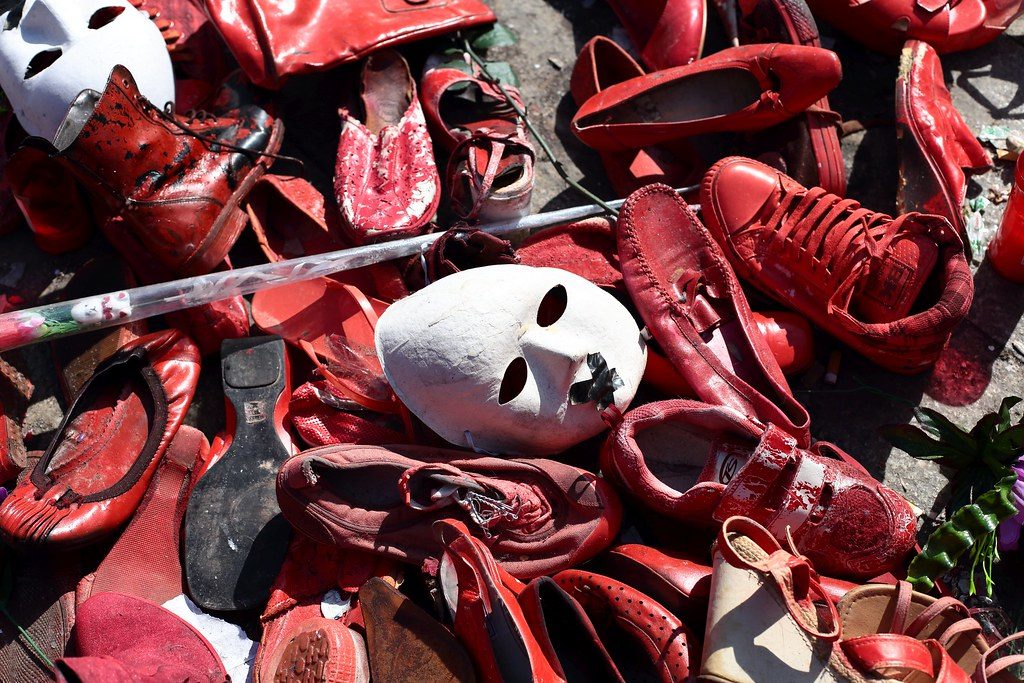
The second phase of the pilot project foresees the creation of public policies adapted to the reality of each municipality to complement the intended reduction of violence.
The second phase of the pilot project foresees the creation of public policies adapted to the reality of each municipality to complement the intended reduction of violence. (Photo internet reproduction)

The first phase includes the strengthening of policing. The government has identified that it is necessary to improve the reaction of the security forces in order to reduce the rates of violent crimes.

Second phase

The second phase of the pilot project foresees the creation of public policies adapted to the reality of each municipality to complement the intended reduction of violence.

Based on the studies that will be carried out in the five municipalities, the government intends to identify risk and vulnerability factors that result in the high rates of violence in the regions, to prepare actions in the social area for the respective communities.

“We need to remove violent criminals from circulation, but we also have to deal with the causes of crime, eventually related to urban degradation and abandonment. We need to combine solid security policies with policies of a different nature,” Minister Sérgio Moro said at the ceremony.

This article was produced by The Rio Times’ automated newsroom system. How we use AI · Report an error

Read More from The Rio Times

The Rio Times · Power Map
See who really holds power in Latin America
Click to open the Power Map

Rotate for Best Experience

This report is optimized for landscape viewing. Rotate your phone for the full experience.