High Chinese Demand Raises Food Prices Worldwide, Not Only in Brazil
RIO DE JANEIRO, BRAZIL – The world has become accustomed to paying little to feed itself. After years of cheap food, the food price index of the FAO (the UN Agency for Food and Agriculture) reached its peak of the past two years in November, driven by meat (affected by swine fever in China) and cooking oil.

But this is not the end of the phenomenon. A report by the Nomura bank alerts that the era of low-priced food could come to an end because of rising demand and supply constraints that will boost costs in the coming years. “It seems that prices have reached a point where they are no longer sustainable for producers,” says FAO’s Denis Drechsler.
Food has been sold at historic lows for years. Looking at the trend from 1902 until now, prices in real terms – that is, discounting the effect of inflation – would be 45 percent below the average of the past 120 years. But something is changing in world markets. A mix of background trends and circumstantial causes is driving the market until it reached its highest level in two years last November.
Meat is particularly expensive, with a declining supply due to the African swine fever that plagues the Chinese herd. In Brazil, the phenomenon has turned food into a luxury product. According to inflation as measured by the Broad National Consumer Price Index (IPCA), the price of meat rose 8.09 percent in November, the highest individual impact on overall inflation (0.51 percent).
According to the FAO index, going back to 2014 is needed to find meat costing so much around the world. Oil prices are also rising, particularly palm oil. Analysts caution that this threatens to trigger a price spiral.
Denis Drechsler, head of the FAO’s Trade and Markets Division, points to uncertainties in markets as one of the factors behind the rise. On the one hand, it influences the increased demand for proteins in developing countries. Demand is growing not only in China but also in Africa and Latin America.
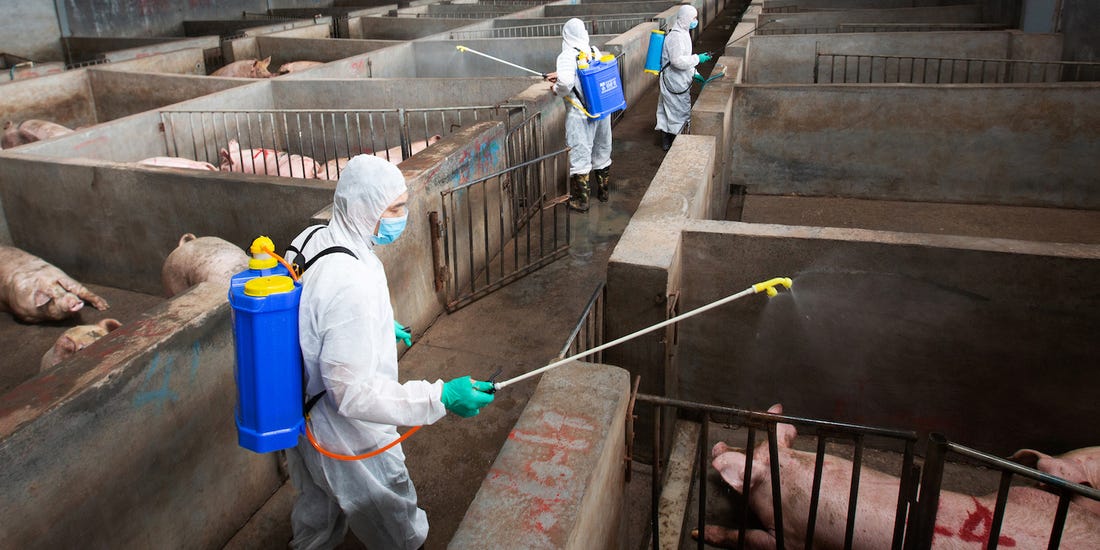
As orders rise, supply shrinks. Last year’s outbreak of African swine fever in China hit the market hard: it forced millions of animals to be slaughtered and pushed up the demand for pork all over the world.
The impact goes further because it has also boosted demand for other animal products. “Chinese consumers want meat. And if there is no pork, they will look for alternatives like chicken, [other] poultry and beef,” Drechsler said.
In addition to this conjunctural factor, analysts detect longer-lasting trends. “Prepare for the next rise in food prices,” says the title of a report published a month ago by the analysis department of the Nomura (Japanese investment bank). “Since 2010, prices have been on a downward trend. But there are risks, which have not yet been given due attention, of a bullish trend that could extend over several years,” says Rob Subbaraman, author of the report, speaking by phone from Singapore.
In addition to increased demand, analysts at the Japanese investment bank point to climate change as one of the major disruptions in the international food market. “Global warming is generating increasingly extreme climate events. So far we have been lucky that natural disasters have not had a major impact on agriculture, but there is a growing risk that these disasters will affect producing countries,” continues Subbaraman, head of global research at Nomura.
Other factors behind the supply-side tensions are the lack of investment in the agricultural sector in recent years – due precisely to the low prices of the past years – and the growing demand for meat, a sector that requires large expanses of land and quantities of water – which is therefore relieved from the cultivation of other products. The trade war initiated by Donald Trump’s government further fans the flames of uncertainty.
“We see signs that global food prices could start to rise soon: from African swine fever in China to catastrophic fires in Australia, to the increase in the price of onions in India,” summarizes the Japanese bank’s report. The FAO prefers not to forecast but admits the risks of the current situation. In the face of alarm, expert Denis Drechsler insists on placing the current rise in prices in context: “Reaching the maximum level of the past two years may be daunting, but we must remember that we are in minimum prices from the historical point of view. We don’t see an imminent crisis”.
Source: El País
More: Brazil news in English, every day from The Rio Times.
Editorial responsibility: Matthias Camenzind, Editor-in-Chief · Editorial standards · Report an error