Instant Payments Could Boost Bank Revenues by US$500 Billion Worldwide
RIO DE JANEIRO, BRAZIL – In this scenario, banks investing in technological innovation can increase payment revenues by US$500 billion by 2025. This is the finding of a report by Accenture, based on a survey of 240 payment executives from banks in 22 countries, including Brazil.
On the other hand, banks that fail to implement innovative business models, according to the document, are likely to lose revenue. The estimated loss is up to 15 percent of the banks’ global payments revenue, the equivalent of US$280 billion, due to the growth of digital payments and competition from non-banking institutions, the so-called fintechs – technology companies in the financial sector.

The survey shows that 46 countries currently have an instant payment solution and 12 more plan to implement one soon. In Brazil, according to Central Bank President Roberto Campos Neto late last month, the instant payment project will be completed in 2020, even before the U.S. Federal Reserve, which is not expected to launch the model until 2024.
The concept of instant payment is that individuals and companies may transfer money in real-time, with no time restrictions. Cash or bank transfer transactions – Available Wire Transfer (TED) and Credit Order Document (DOC) and debits – will be replaced by instant payments.
Global Revenue
The Accenture study found that global payment revenues are likely to grow at an annual rate of 5.5 percent, from US$1.5 trillion in 2019 to over US$2 trillion by 2025. But this growth will be restricted to banks that turn their business models around to adopt cutting-edge technologies and focus on delivering more value-added services to their customers.
The report is based on a revenue risk analysis model to measure trends in consumer payment methods and anticipates changes in the behavior, technology, and regulation of market players.
According to the report, over the next six years, banks will face additional pressure on transaction revenues and card fees, with tax-free methods endangering eight percent of payment revenues. In addition, competition by non-banks for invisible payments – through which payments are completed in a virtual wallet on an app or mobile device – will endanger 3.9 percent of banking revenues.
The replacement of the card with instant payments, where funds are settled and transferred in real-time and banks offer little or no interest, is designed to put an additional 2.7 percent risk on payment revenues.
The scenario is based on the current declines in transaction revenues and card fees, in which regulation has been triggering fee and technology compression, replacing the role of banks in new payment models. Between 2015 and 2018, revenues from corporate customer credit card transactions fell by 33 percent; revenues from personal debit card transactions by almost 15 percent; and revenues from credit cards by about 12 percent.
The survey further shows that the industry is aware of the challenges posed by new payment technologies.
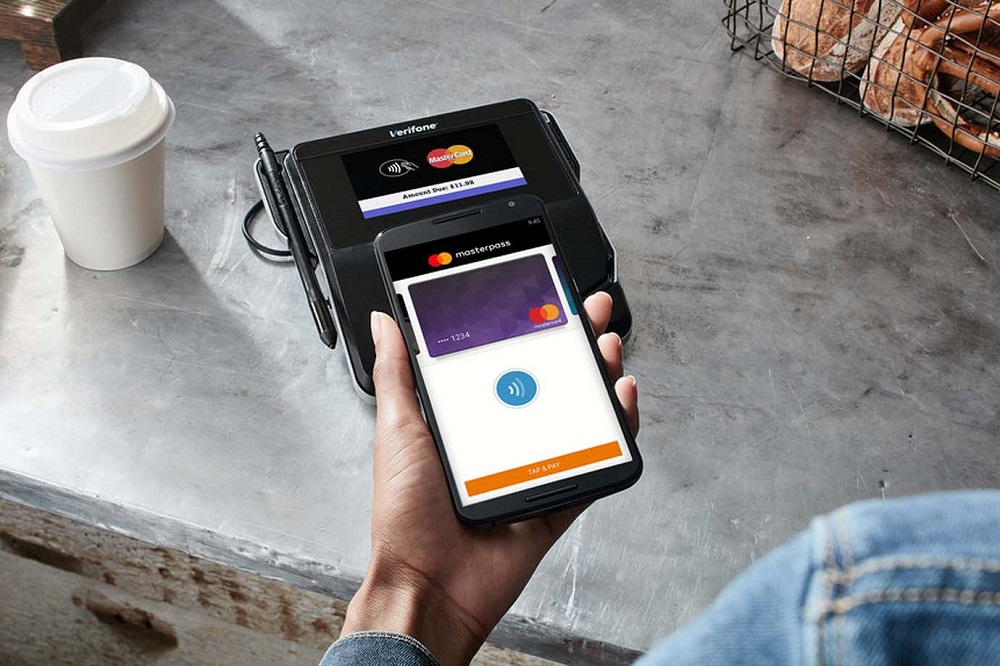
More than two-thirds (71 percent) of executives surveyed agree that payments are becoming free; almost three-quarters (73 percent) believe that the majority of payments are already invisible or will be so over the next 12 months; and even more executives (78 percent) say that payments are or will become instant over the next 12 months.
The survey was conducted this year with executives from the following countries: Australia, Brazil, Canada, China (mainland and Hong Kong), Denmark, Finland, France, Germany, India, Indonesia, Italy, Japan, Malaysia, Mexico, Norway, Singapore, Spain, Sweden, Thailand, United Arab Emirates, United Kingdom and the United States.
Source: Agência Brasil
More: Brazil news in English, every day from The Rio Times.
This article was produced by The Rio Times’ automated newsroom system. How we use AI · Report an error · Editorial responsibility: Matthias Camenzind, Editor-in-Chief