Lack of U.S. trust in Brazil holds up Amazon deal
RIO DE JANEIRO, BRAZIL – A lack of trust is creating a stalemate in negotiations between the United States and Brazil over preserving the Amazon. Representatives of President Joe Biden’s administration want the government of President Jair Bolsonaro to present concrete results towards the goal of zero illegal deforestation by 2030, before distributing financial resources. The Brazilian government wants the money on the table immediately.
Another ingredient of this kind of tug-of-war in the meetings between representatives of the two governments is the model of the agreement. A State Department official told Brazilian journalists that the U.S. wants a clear commitment, with tangible targets, on how Brazil will curb deforestation.

The intent of both sides is to close a political agreement at the Climate Leaders’ Summit the U.S. will host online on April 22-23.
In its plan, the US reiterates Brazilian sovereignty in decisions and over the territory, but gives the recipe for the deal: penalties being applied to those who illegally deforest; strengthening of Ibama; recognition of the role of the states; and inclusion of indigenous peoples, traditional communities and non-governmental organizations.
“It turns out that this is not the way the Bolsonaro government operates. This is not how this government acts. It does not include NGOs or indigenous people,” says one source. “Bolsonaro got elected by saying he would end the “fine-generating business.”
“There has been a drop in the number of fines and embargoes practiced in the last two years,” says Professor Raoni Rajão, from the Federal University of Minas Gerais.
The Minister of the Environment, Ricardo Salles, who this year took upon himself the conducting of international negotiations, is asking for US$1 billion from the international community to reduce forest devastation by up to 40% in 12 months, as he said in an interview to the newspaper “O Estado de S. Paulo”.
An interlocutor, who compares the lack of rigor of the calculations of the figure to “a note to the baker”, refers to the bilateral conversations that have been taking place between the U.S. and Brazil as “a dialogue of the deaf”.
In his electoral campaign, President Biden promised to mobilize $20 billion in public and private resources for the Amazon region. The resources would also come from other industrialized nations. However, even under Democratic administrations, according to a source consulted by the report, the U.S. is seeking greater participation of private resources than public ones in climate finance – and this also creates discomfort.
“The American argument of wanting to build trust before putting resources on the table is legitimate. Nobody wants to give resources to the Bolsonaro government that refer to deforestation reductions that occurred in previous administrations. They want to see the movement of the current Brazilian government,” says the source.
European ambassadors have repeated since 2020 that they want to see from the Bolsonaro government a concrete plan, with targets and deadlines, to eliminate illegal deforestation in the Amazon, a discourse now also repeated by the US. Norway and Germany, donors to the Amazon Fund, froze their contributions when minister Salles unilaterally changed the composition of the mechanism’s councils, removing the participation of civil society representatives. “Nobody is going to want to give Salles funds up front,” agrees another skeptic.
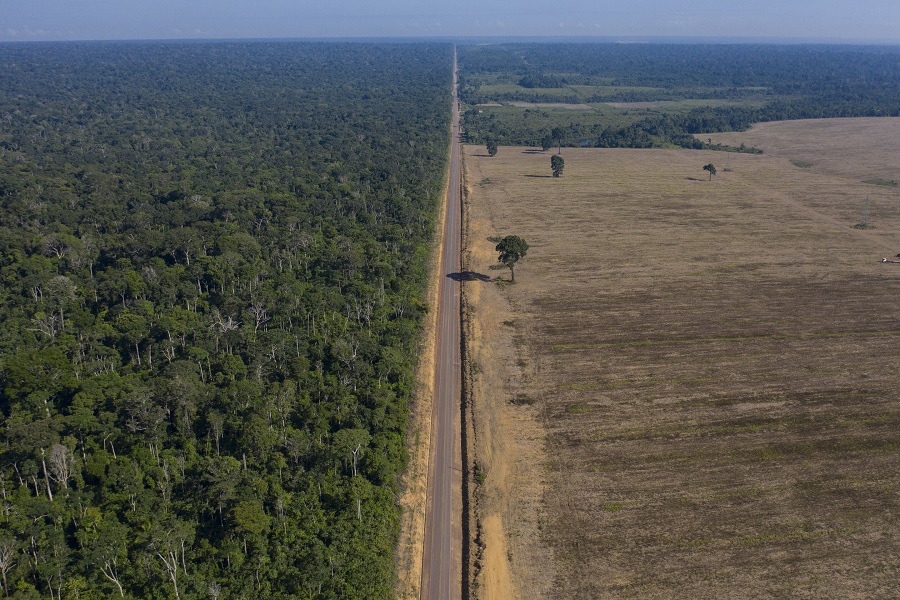
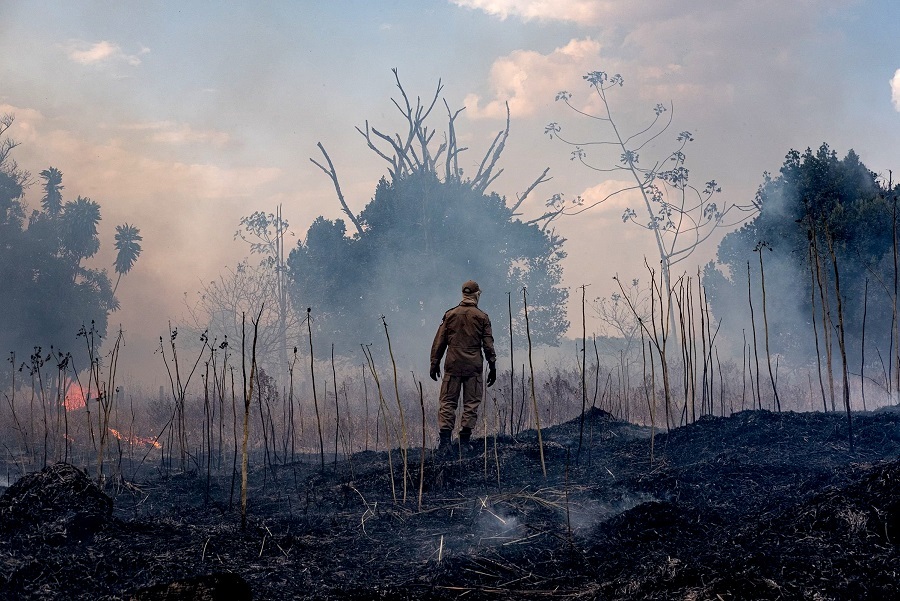
The picture of distrust of international donors in the Bolsonaro administration is also based on the terrible indices of recent years. Between August 2019 and July 2020, the forest lost 11,088 km2 of vegetation, according to data from the Brazilian National Institute for Space Research (Inpe). This was a 9.5 percent increase over the previous period and the largest since 2008.
Another element of estrangement in the Brazil-US dialogues is the distant but looming threat of sanctions against Brazil if deforestation is not contained. “The U.S. has to act in cooperation with Brazil. If they adopt a more aggressive stance, they throw this historic ally into China’s lap. This will create a geopolitical problem that they want to avoid.”
One more general sticking point with emerging countries is the American effort to promote a 2050 date for net zero global emissions. The target follows what scientists recommend, but is seen as unfairly dividing responsibility that disfavors developing countries. The US is the largest historical emitter of greenhouse gases.
“The goal of decarbonizing the economy in 30 years is a European agenda incorporated by the Biden administration. China has committed to net zero emissions by 2060, as has Brazil. India has not yet positioned itself. The Europeans have a more consistent environmental agenda than the Americans,” evaluates a source. This perception reinforces the distrust with the sharing of benefits with the owners of natural resources.
Source: Valor
More: Brazil news in English, every day from The Rio Times.
This article was produced by The Rio Times’ automated newsroom system. How we use AI · Report an error · Editorial responsibility: Matthias Camenzind, Editor-in-Chief