Land Grabbing and Amazon Privatizations Could Cost Brazil US$32B
By Lise Alves, Senior Contributing Reporter
SÃO PAULO, BRAZIL – A bill passed by the Pará State Legislative Assembly is being criticized by environmental NGOs, which call on Pará’s governor, Helder Barbalho, to veto the measure which would allegedly benefit illegal land grabbing in the state. Changes in land ownership rules in the Amazon region could cost Brazil up to US$32 (US$8) billion in revenue losses, a recent study has shown.

“The lawmakers who supported this bill reversed the function for which they were elected. They should take care of the public patrimony and watch over their state,” says Marcio Astrini, coordinator of public policy at Greenpeace, one of the groups asking Barbalho to veto the bill.
“Instead, they passed legislation that benefits those who illegally take public lands, who deforest and generate violence. It’s absurd!” added the executive from the environmental watchdog.
Astrini, along with the representatives of more than 60 NGOs which look after environmental issues in Brazil, filed a petition last week to veto the bill.
In a statement released on June 18th, the organizations warned of the risks of the new legislation. According to them, the bill does not resolve agrarian conflicts in the state and may further aggravate them. “Several studies have already pointed out that invading public land is one of the main mechanisms conducted by large landowners in the state of Pará,” said the note.
They argue that the bill would allow for the privatization of public forests, and would veto the possibility of regularizing areas occupied by social movements.
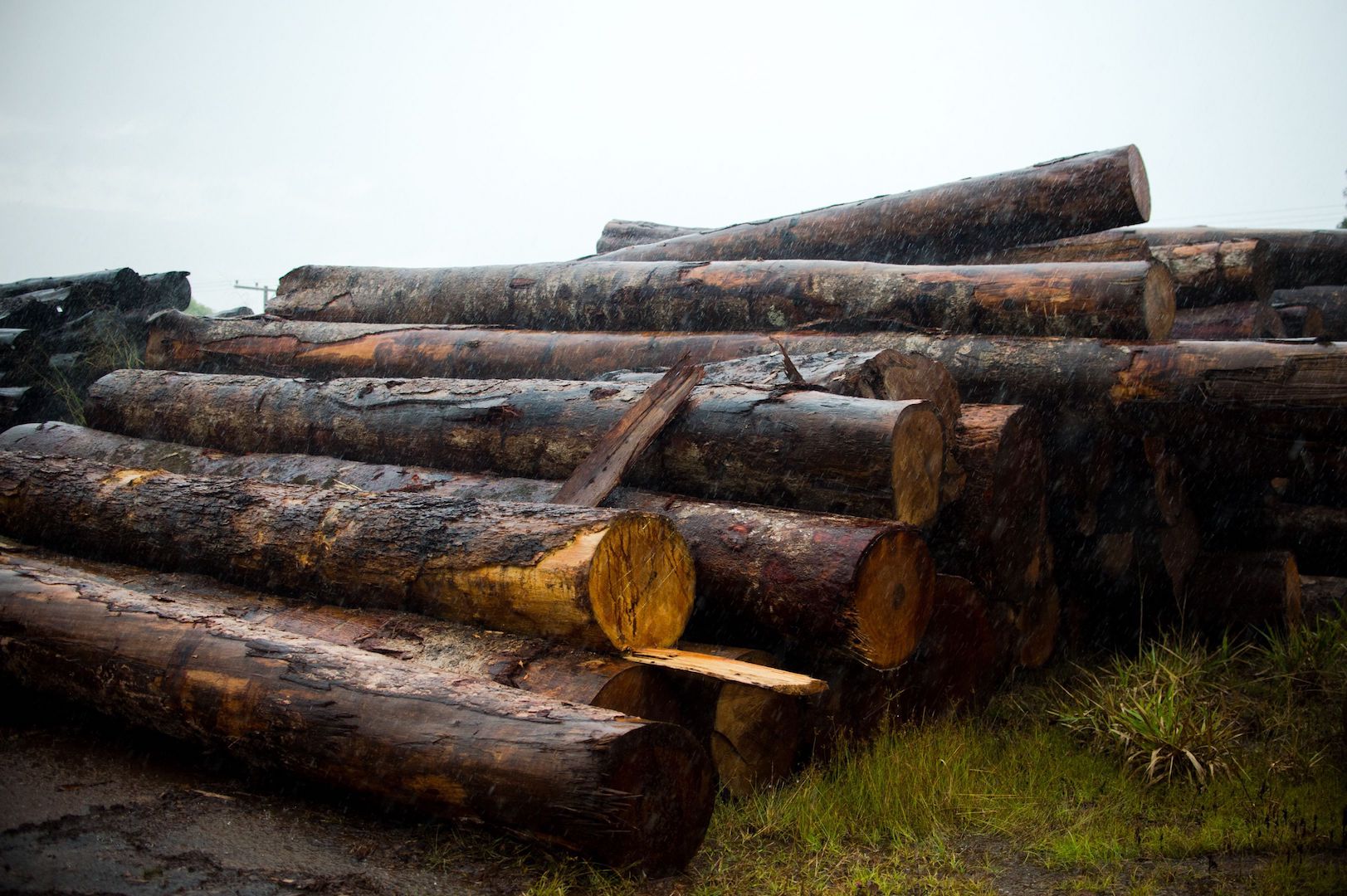
“If approved, the measure leaves a clear message: in Pará, anyone who practices land grabbing is protected by the authorities, rewarding those who commit crimes and bet on impunity. Deforestation and violence will gain tremendous momentum,” warned Greenpeace on its website.
These NGOs also fear that some of the state’s best regions might be sold for below market prices, causing the state and the country to lose billions. That fear was confirmed by a paper published by the Institute of Man and the Environment of the Amazon (Imazon) in the scientific journal Environmental Research Letters.
The paper, published on Friday, June 21st, entitled “Stimulus for land grabbing and deforestation in the Brazilian Amazon”, shows that expansion of the agricultural frontier could increase deforestation by up to 1.6 million hectares.
Researchers analyzed a total of 27.8 million hectares in the Amazon, including 8.6 million hectares that are already in the process of receiving legal title from the federal government, and an area of 19.2 million hectares that the federal government has indicated for future regularization. They found that this stimulus could produce environmental devastation as well as billions in monetary losses.
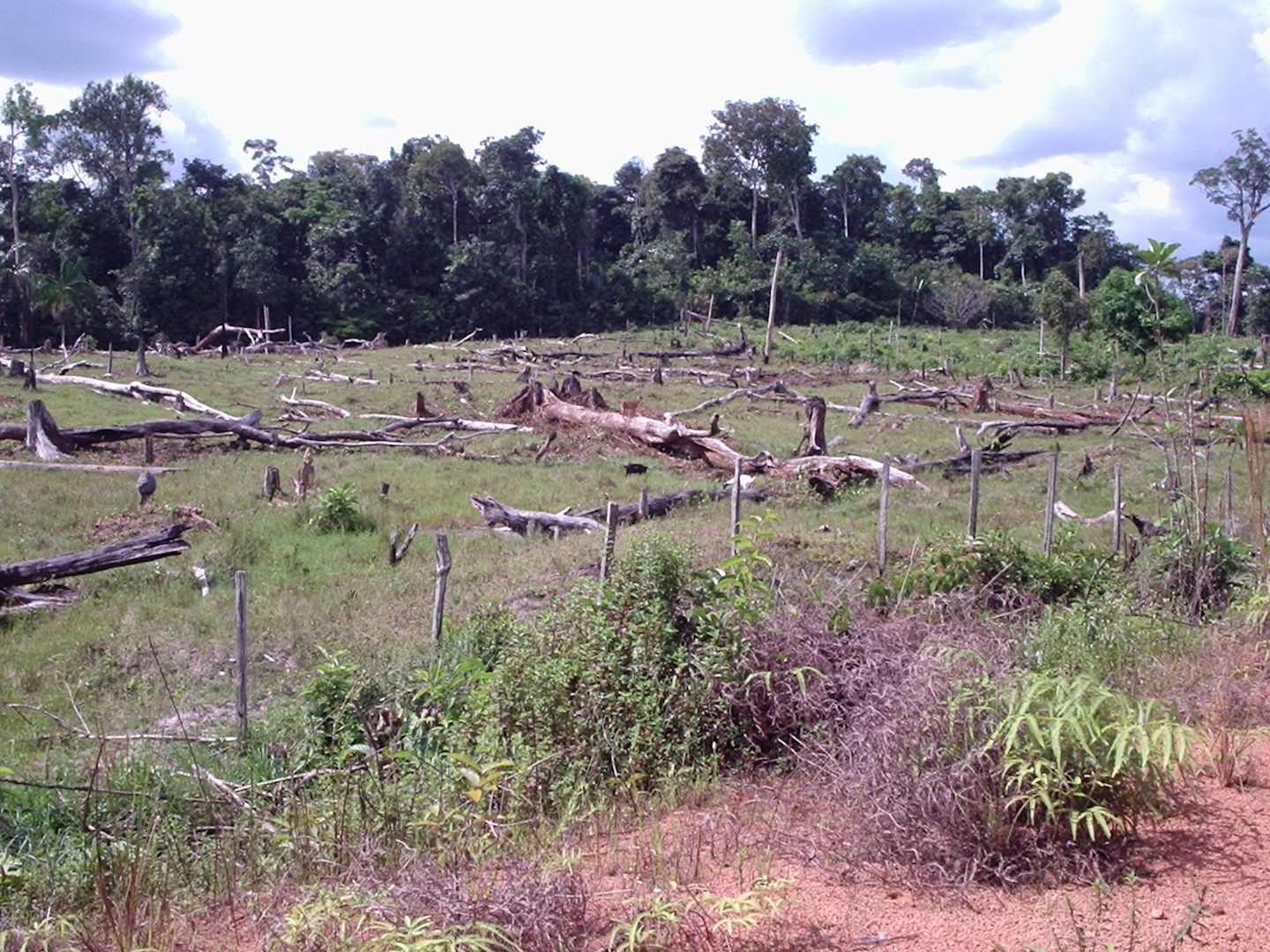
Burning to clear this area would result in emissions of up to 6.5 megatons of CO2, the equivalent to fifteen years of emissions from Brazil’s energy sector. This level of emissions, say experts, would contribute significantly to global warming.
The estimated short-term governmental revenue loss for the sale of the 8.6 million hectares of public lands is expected to be between US$5 to 8 billion. The revenue loss for the sale of the additional 19.6 million hectares that may be privatized would be between US$16.7 to 23.8 billion.
Therefore, in total, researchers say that the new land policy could lead to revenue losses of U$32 billion, seven percent of Brazil’s GDP in 2018 and more than a hundred times the annual budget of the Ministry of Environment.
“The expectation of profit from the subsequent sale of these titled areas at below-market prices is a stimulus to new invasions of public land and illegal settlement in the Amazon, which amounts to stealing the assets of all Brazilians,” says Brenda Brito, associate researcher at Imazon, and one of the authors of the article.
“Brazilian society should not be obliged to subsidize illegal squatters on public lands and still lose with the destruction of forests, but our analysis indicates that this will be the result of this law if the decision to allocate all this area for privatization is not changed,” notes Brito.
Researchers also point out that many of these areas are under norms that impede privatization, such as the recognition of indigenous territorial borders, traditional communities, conservation, and even sustainable forest management.
The authors of the study recommend that the government halt the sale of public lands in the Amazon and have scientists and environmental entities review the land to be allocated for privatization.
“The federal government can still prevent such perverse effects by freezing new privatizations, increasing public land prices and prioritizing the creation of protected areas and land allocation to social and sustainable use,” concludes the study.
For the full picture, see our Brazil Tax Reform: Complete Guide.
More: Brazil news in English, every day from The Rio Times.
Editorial responsibility: Matthias Camenzind, Editor-in-Chief · Editorial standards · Report an error
Brazil runoff, Sunday, October 25: Brazil runoff start time and results schedule. Latest: Brazil runoff polls, Flávio 51%, Lula 49%.