Over 100 animals rescued from markets in Rio de Janeiro draw attention to illegal trade
RIO DE JANEIRO, BRAZIL – In a joint operation by state environmental protection services Inea and DPMA, eight people were arrested and 109 animals rescued from illegal markets. The animals were rescued from markets in the Rio de Janeiro Baixada – Belford Roxo and Duque de Caxias – on Sunday, the traditional market day.
The vast majority of these animals were birds, but 3 marmosets and 1 turtle were also apprehended. The perpetrators face from 6 months to 1 year in prison if found guilty.
Wild birds are commonly kept as pets in parts of Rio de Janeiro, although this practice is prohibited by law. Though less common, the sale of monkeys, snakes, and other reptiles also occurs in popular markets.

This action comes less than two weeks after a Russian biologist was stopped by federal police near Seropédica on the outskirts of Rio de Janeiro with 200 live animals in his possession. The man had 50 spiders, 80 beetles, 25 frogs, and 20 lizards.
Much different from the pets being sold in the markets of the Baixada, the individual involved is a well-known international biopirate who illegally transports animals internationally. He confessed that the animals were to be taken to Russia, allegedly for research purposes.
The trafficking of animals is a multi-million dollar industry that goes from illegal ivory and rhinoceros horn trade to unusual insects for enthusiasts all over the world. Beyond the damage to wild populations, the animals are usually transported in awful conditions and many who are sold or rescued do not survive for long.
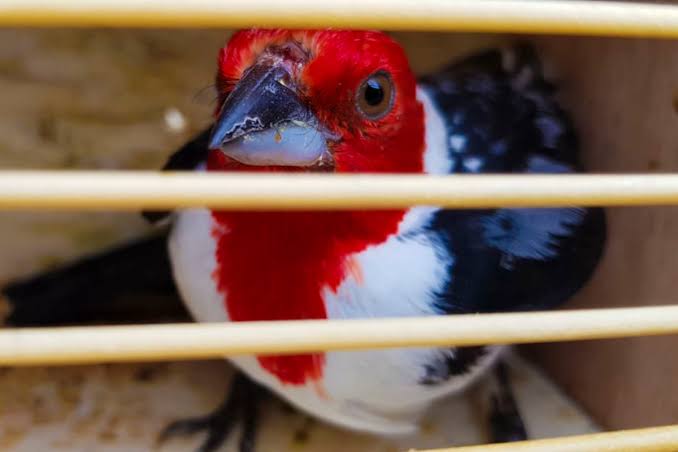
Obviously, the problem of wildlife trafficking is not confined to Rio de Janeiro, though the southeast of the country is the principal market for animals taken from nature. These mostly come from the Northeast and Amazon regions. WWF estimates that up to 38 million animals are taken from Brazilian environments each year, but that only about 4 million of these are actually sold: the rest die or are rereleased (often in the wrong places) or are simply kept for life as pets.
In addition to impacts on wild animals, humans can be hurt by this practice, with locals having been hurt in mountains close to Rio after stumbling on traps set for animals.
Unfortunately, international and national wildlife animal trade seems difficult to eliminate, not just because it is so widespread, but because even in those areas that it is being combated it tends to return.
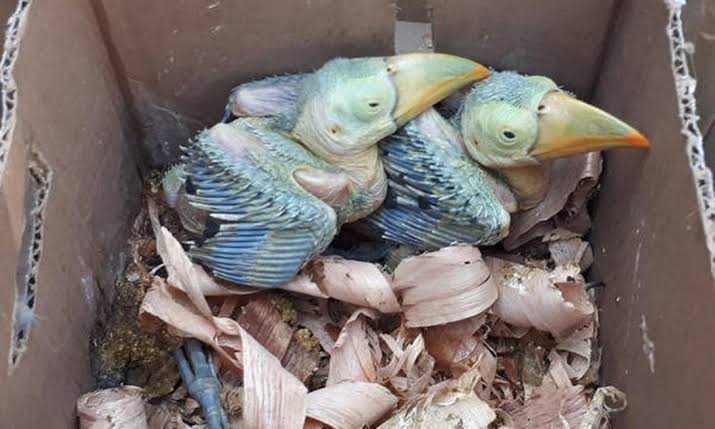
In October 2019, over 200 animals were rescued from markets in Duque de Caxias after footage showed them being sold right beside a police car. Almost exactly a year later in October 2020, 9 people were arrested in possession of snakes, turtles, and various birds. In early May of this year animals including marmosets, turtles and owls were again rescued from a market in Duque de Caxias.
Unfortunately, these crimes have continued and will most likely continue into the future. The only way to eliminate them is to make sure that enforcement operations are frequent and thorough enough to ensure that it is not profitable to be carried out. While all such actions are helpful, it remains to be seen whether they are enough.
More: Brazil news in English, every day from The Rio Times.
Editorial responsibility: Matthias Camenzind, Editor-in-Chief · Editorial standards · Report an error
Living in or visiting Rio de Janeiro? See this month's events and our Rio de Janeiro city guide with rents, safety and upcoming concerts.