IBOV 187,206.89 ▼ 0.56% IPSA 11,220.10 ▼ 0.16% IPC MEX 63,924.77 ▼ 0.28% MERVAL 3,098,898 ▼ 1.87% COLCAP 2,589.69 ▼ 1.41% BVL PERÚ 59,373.28 ▼ 0.32% USD/BRL5.13▲ 0.40% USD/MXN16.96▼ 0.14% USD/CLP941.13— 0.00% USD/COP3,077▼ 1.03% USD/PEN3.35▲ 0.03% USD/ARS1,509▼ 0.28% USD/UYU40.26▲ 3.12% USD/PYG5,903▲ 3.23% USD/BOB11.98▼ 2.70% USD/DOP58.96▲ 0.79% USD/CRC447.55▲ 1.57% USD/GTQ7.63▲ 2.98% USD/HNL26.85▲ 0.57% USD/NIO36.62▲ 2.58% USD/VES830.41▼ 0.13% USD/PAB1.00— 0.00% USD/BZD2.00— 0.00% USD/JMD 157.28 — 0.00% USD/TTD6.74▲ 2.35% EUR/BRL5.95▲ 0.25% BRENT 88.88 ▼ 0.03% WTI 83.11 ▼ 0.11% IRON ORE 161.91 — — COPPER 6.61 ▲ 0.03% GOLD 4,461 ▲ 1.78% SILVER 65.59 ▲ 1.26% SOY 1,184 ▲ 3.20% CORN 480.50 ▲ 10.02% WHEAT 655.00 ▲ 3.93% COFFEE 317.25 ▼ 5.51% SUGAR 16.43 ▼ 1.79% ORANGE JUICE 138.55 ▼ 0.47% COTTON 85.03 ▲ 2.33% COCOA 5,719 ▲ 3.18% BEEF 223.60 ▼ 3.93% CATTLE 339.10 ▼ 3.16% LITHIUM 75.20 ▲ 1.47% PETR4 41.64 ▼ 0.05% VALE3 72.97 ▲ 0.83% ITUB4 38.60 ▼ 1.03% BBDC4 16.85 ▲ 0.36% ABEV3 14.89 ▼ 0.80% BBAS3 19.37 ▲ 0.47% B3SA3 14.26 ▼ 0.21% WEGE3 47.59 ▲ 0.49% PRIO3 59.14 ▼ 0.19% SUZB3 41.33 ▲ 2.35% RENT3 34.68 ▼ 0.09% AZZA3 15.89 ▼ 2.63% CSAN3 3.22 ▼ 1.83% RAIZ4 0.25 — 0.00% PCAR3 2.75 ▼ 0.36% GMAT3 3.65 ▼ 1.08% PSSA3 48.13 ▼ 0.54% CVCB3 1.33 ▼ 2.92% POSI3 3.36 ▲ 2.44% SLCE3 13.34 ▲ 0.30% NATU3 8.14 ▼ 0.73% IBOV 187,206.89 ▼ 0.56% IPSA 11,220.10 ▼ 0.16% IPC MEX 63,924.77 ▼ 0.28% MERVAL 3,098,898 ▼ 1.87% COLCAP 2,589.69 ▼ 1.41% BVL PERÚ 59,373.28 ▼ 0.32% USD/BRL 5.16 ▲ 0.01% USD/MXN 17.06 ▼ 0.24% USD/CLP 913.98 ▲ 0.04% USD/COP 3,140 ▲ 0.03% USD/PEN 3.36 ▼ 0.66% USD/ARS 1,493 ▲ 0.10% USD/UYU 40.27 ▲ 1.24% USD/PYG 5,939 ▲ 1.68% USD/BOB 11.64 ▼ 0.76% USD/DOP 58.34 ▲ 1.25% USD/CRC 445.92 ▲ 0.89% USD/GTQ 7.62 ▲ 2.21% USD/HNL 26.79 ▲ 1.57% USD/NIO 36.62 ▲ 0.69% USD/VES 762.44 ▼ 0.13% USD/PAB 1.00 — 0.00% USD/BZD 2.00 — 0.00% USD/JMD 157.28 — 0.00% USD/TTD 6.70 ▲ 0.61% EUR/BRL 5.95 ▲ 1.01% BRENT 88.88 ▼ 0.03% WTI 83.11 ▼ 0.11% IRON ORE 161.91 — — COPPER 6.61 ▲ 0.03% GOLD 4,461 ▲ 1.78% SILVER 65.59 ▲ 1.26% SOY 1,184 ▲ 3.20% CORN 480.50 ▲ 10.02% WHEAT 655.00 ▲ 3.93% COFFEE 317.25 ▼ 5.51% SUGAR 16.43 ▼ 1.79% ORANGE JUICE 138.55 ▼ 0.47% COTTON 85.03 ▲ 2.33% COCOA 5,719 ▲ 3.18% BEEF 223.60 ▼ 3.93% CATTLE 339.10 ▼ 3.16% LITHIUM 75.20 ▲ 1.47% PETR4 41.64 ▼ 0.05% VALE3 72.97 ▲ 0.83% ITUB4 38.60 ▼ 1.03% BBDC4 16.85 ▲ 0.36% ABEV3 14.89 ▼ 0.80% BBAS3 19.37 ▲ 0.47% B3SA3 14.26 ▼ 0.21% WEGE3 47.59 ▲ 0.49% PRIO3 59.14 ▼ 0.19% SUZB3 41.33 ▲ 2.35% RENT3 34.68 ▼ 0.09% AZZA3 15.89 ▼ 2.63% CSAN3 3.22 ▼ 1.83% RAIZ4 0.25 — 0.00% PCAR3 2.75 ▼ 0.36% GMAT3 3.65 ▼ 1.08% PSSA3 48.13 ▼ 0.54% CVCB3 1.33 ▼ 2.92% POSI3 3.36 ▲ 2.44% SLCE3 13.34 ▲ 0.30% NATU3 8.14 ▼ 0.73%
since 2009
Saturday, September 12, 2026

UNICEF: Over 95 Percent of Brazilian Children Attend School

By · November 13, 2019 · 2 min read

The LatAm Brief

One email, every weekday morning. What moved in Latin American markets, politics and expat life.

Yesterday’s subject line: “'The false peace is over' - Colombia”

Free. We send a confirmation link first — nothing arrives until you click it. Unsubscribe with one click in any edition. If you stop opening us for 30 days we stop sending by ourselves, as we assume the interest is no longer there. See our privacy policy. We never share your email.

RIO DE JANEIRO, BRAZIL – The United Nations Children’s Fund (UNICEF) launched yesterday, November 12th, a study showing the impacts of the Convention on the Rights of the Child on the Brazilian population. The survey shows that 95.3 percent of children and adolescents between the ages of 4 and 17 regularly attend school.

The survey refers to children and adolescents between the ages of 4 and 17.
One-stop reference
Company Intelligence
Every listed company in Latin America — financials, ownership and structure for 1,450+ companies across 26 exchanges, in one place.
Browse the directory →
RT
Ask Rio Times
This story and the bigger picture.
Open the full Ask Rio Times →

There has been a 71 percent decline in child mortality in Brazilian children since the 1990s, well above the 33 percent target set by UNICEF. However, the study shows that violence has become a widespread problem for juveniles, particularly those belonging to ethnic minorities or vulnerable groups.

Low levels of vitamins in ultra-processed foods – those that have a high concentration of preservatives, sugars and fat and are ready for immediate consumption – pose a risk to all income groups in all regions of Brazil, according to the survey.

The lack of a physical exercise routine for children and youths is also an important factor in the overweight issue of the Brazilian youth population. Among adolescents, 17.1 percent are overweight, and 8.4 percent are considered obese.

The survey data also show that access to drinking water is not yet universal.

The national average water service index is 83.3 percent, but access in the states of Acre, Pará, Rondônia, and Amapá is only available to 50 percent of the population.
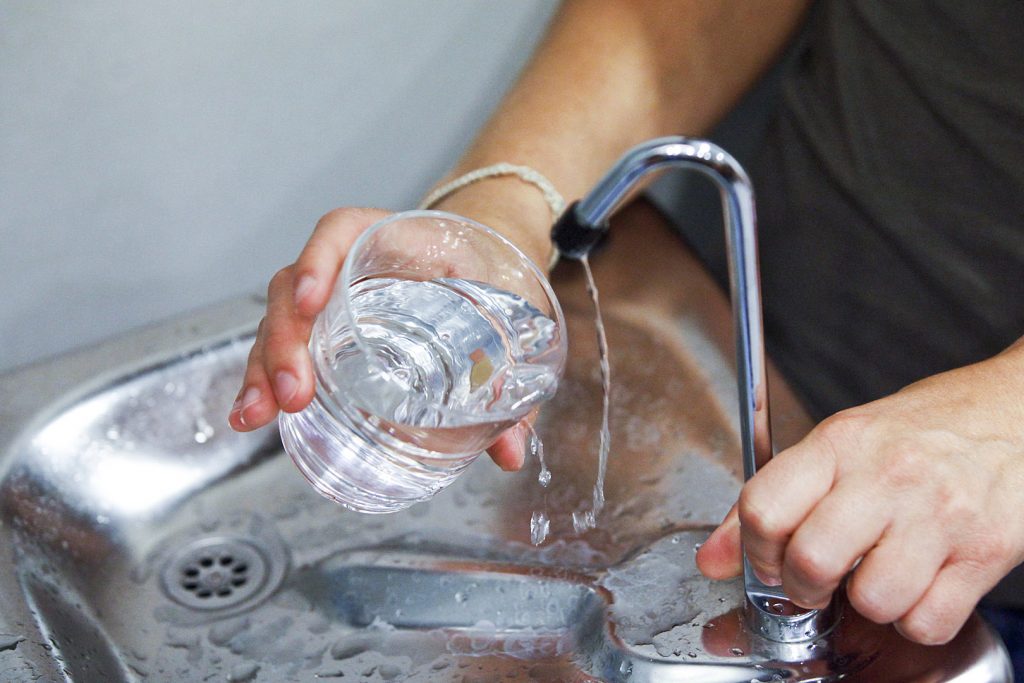
The survey data also show that access to drinking water is not yet universal.

The rate of sewage availability is even more alarming: only 51.9 percent of Brazilians have treated sewage and access to drainage, which directly affects the young population’s health.

The National Program for Fighting Sexual Violence against Children and Adolescents (PNEVSCA), which includes initiatives such as Dial 100, and the Integrated and Referential Action Plan for Fighting Sexual Violence against Children and Adolescents in Brazilian Territory (PAIR) were regarded as positive actions in the fight against violence to children and youths, according to the study.

But the scenario is still seen as critical. According to data from Dial 100, negligence (72.7 percent), psychological (48.8 percent), physical (40.6 percent) and sexual violence (22.4 percent) were the most frequent types of abuse against children and adolescents.

According to UNICEF, the so-called “climate crisis” and the increase in the incidence of mental illness among young people are important targets for the coming years.

The report also points out that there is a growing decline in childhood vaccination, which can lead to outbreaks of diseases currently under control or previously thought eradicated, as in the case of measles.

The publication of the study marks the 30th anniversary of the ratification of the Unicef treaty, which was also signed by 195 other countries and is regarded as the most comprehensive international treaty in the world.

Source: Agência Brasil

Read More from The Rio Times

The Rio Times · Power Map
See who really holds power in Latin America
Click to open the Power Map

Rotate for Best Experience

This report is optimized for landscape viewing. Rotate your phone for the full experience.