Nearly Half of Brazil’s Population Has No Sewage Collection, Says Institute
RIO DE JANEIRO, BRAZIL – The Senate committee hosted Jack Slim, founder of the World Toilet Organization, who works with the development of sanitary technology in several countries.
On November 17th, 18th and 19th, the organization will hold an event in São Paulo with lectures and presentations on basic sanitation. According to Slim, for every dollar spent on sanitation, there is a return of US$5.

Édison Carlos, executive president of the Trata Brasil Institute, said that all sustainable development goals are linked to sanitation. The institute is a registered non-governmental organization that has been operating in Brazil since 2007, made up of companies with an interest in the advancement of basic sanitation and the protection of the country’s water resources.
According to Édison, 35 million Brazilians still do not have treated water, which is the equivalent to the entire population of Canada.
“Brazil exports agricultural technology and is still unable to deliver treated sewage,” he said.
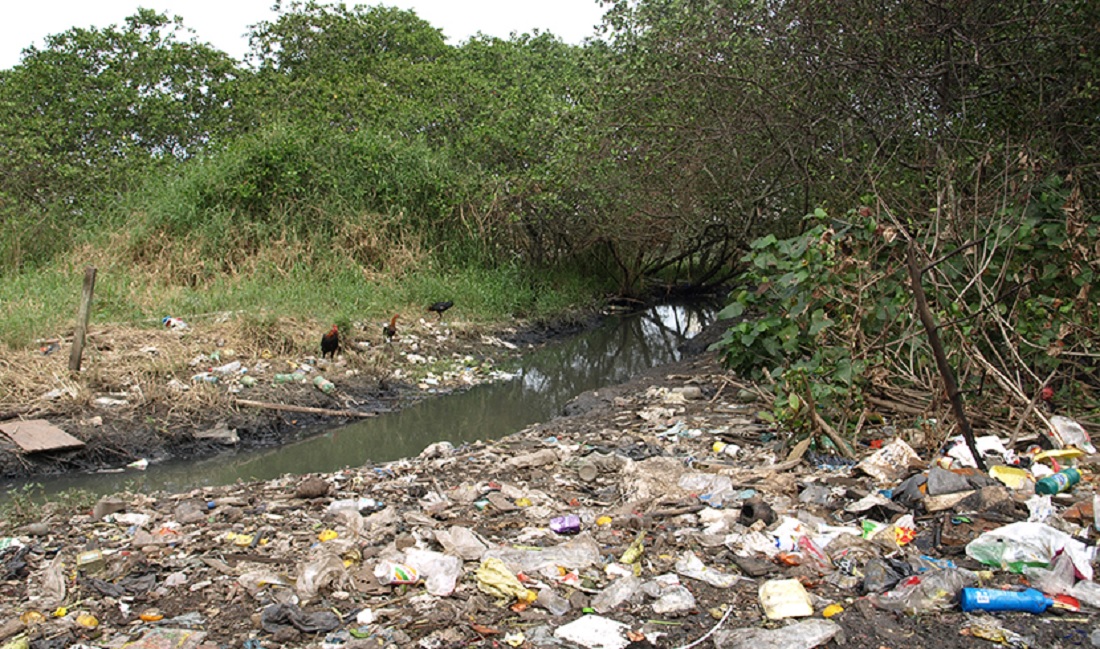
According to the sewage meter which is available on the Trata Brasil website, the equivalent of over 1.5 million Olympic pools of sewage has been discharged into the environment in Brazil since January 1st, 2019.
“Today we are talking about forest fires, pesticides, and various environmental impacts. There is no greater environmental impact today than sewage discharge. And it’s a subject that we still can’t provide the necessary speed to solve,” he said.
Édison Carlos further said that the lack of basic sanitation has a greater impact on women, who are generally the ones who miss most of their leisure, class, and workdays because they are forced to travel to retrieve drinking water and care for the sick in the family.
The lack of sewage collection also affects 59 percent of elementary schools in Brazil, he said.
“How are we going to build a truly developed country in this situation?” he asked.
The lack of basic sanitation leads to an increase in diseases in the population. According to Édison, there are more than 300,000 hospitalizations a year in Brazil caused by severe diarrhea. In addition to diseases, there is inefficiency in water delivery.
The president of Trata Brasil reported that in 2017, Brazil suffered a loss of R$11 billion (US$2.75 billion), which would have been enough to supply 30 percent of the population.
“This Brazilian inefficiency in water distribution is so severe that we can not progress in sanitation services. There are leaks, thefts, water meter frauds, water meters that measure nothing,” Édison said.
Finally, he presented a study by the Getúlio Vargas Foundation, delivered to former president Michel Temer and President Jair Bolsonaro, showing that Brazil would earn R$1.1 trillion over the next 20 years if basic sanitation were to become universal, at a cost of R$470 billion.
He added that a bill on the issue should be presented to Congress and urged the senators’ commitment to supporting the proposal.
“Perhaps there is no greater and better investment that this country could make than the universalization of basic sanitation. It is the infrastructure that most benefits a human being. It’s the most important infrastructure a country can have,” he said.
Senator Styvenson Valentim (Podemos-RN) asked why sanitation works are not prioritized. Édison Carlos replied that in the 1970s, there was an intense effort for basic sanitation works, but that priority was given to the delivery of drinking water. The collection and treatment of sewage were left for a later stage.
When asked about the sector’s privatization, the president of the Trata Brasil Institute said he favors partnerships between public and private companies, since public companies also provide good services.
According to Édison, of the 20 cities with the best basic sanitation, 14 are operated by public companies and six by private companies. In his opinion, the sector’s inspection and regulation need to work.
“This shows that the fact that a company is public does not signify that it is bad. We wish for greater joint involvement,” he said.
Source: Agência Senado
More: Brazil news in English, every day from The Rio Times.
This article was produced by The Rio Times’ automated newsroom system. How we use AI · Report an error · Editorial responsibility: Matthias Camenzind, Editor-in-Chief