IBOV 171,031.73 ▲ 1.85% IPSA 11,338.38 ▲ 0.89% IPC MEX 65,729.18 ▲ 2.14% MERVAL 2,913,184 ▲ 1.30% COLCAP 2,459.23 ▲ 0.61% BVL PERÚ 58,698.13 ▲ 2.60% USD/BRL5.14▲ 0.02% USD/MXN16.92▲ 0.08% USD/CLP914.28— 0.00% USD/COP3,043— 0.00% USD/PEN3.36▲ 0.04% USD/ARS1,499▼ 0.03% USD/UYU40.20▲ 1.52% USD/PYG5,996▲ 1.39% USD/BOB11.43▲ 0.51% USD/DOP58.61▼ 0.07% USD/CRC450.05▲ 1.95% USD/GTQ7.62▲ 2.13% USD/HNL26.81▲ 1.55% USD/NIO36.62— 0.00% USD/VES782.70▼ 0.13% USD/PAB1.00— 0.00% USD/BZD2.00— 0.00% USD/JMD 157.28 — 0.00% USD/TTD6.71▲ 0.82% EUR/BRL6.00▼ 0.03% BRENT 88.88 ▼ 0.03% WTI 83.11 ▼ 0.11% IRON ORE 161.91 — — COPPER 6.61 ▲ 0.03% GOLD 4,461 ▲ 1.78% SILVER 65.59 ▲ 1.26% SOY 1,184 ▲ 3.20% CORN 480.50 ▲ 10.02% WHEAT 655.00 ▲ 3.93% COFFEE 317.25 ▼ 5.51% SUGAR 16.43 ▼ 1.79% ORANGE JUICE 138.55 ▼ 0.47% COTTON 85.03 ▲ 2.33% COCOA 5,719 ▲ 3.18% BEEF 223.60 ▼ 3.93% CATTLE 339.10 ▼ 3.16% LITHIUM 75.20 ▲ 1.47% PETR4 41.64 ▼ 0.05% VALE3 72.97 ▲ 0.83% ITUB4 38.60 ▼ 1.03% BBDC4 16.85 ▲ 0.36% ABEV3 14.89 ▼ 0.80% BBAS3 19.37 ▲ 0.47% B3SA3 14.26 ▼ 0.21% WEGE3 47.59 ▲ 0.49% PRIO3 59.14 ▼ 0.19% SUZB3 41.33 ▲ 2.35% RENT3 34.68 ▼ 0.09% AZZA3 15.89 ▼ 2.63% CSAN3 3.22 ▼ 1.83% RAIZ4 0.25 — 0.00% PCAR3 2.75 ▼ 0.36% GMAT3 3.65 ▼ 1.08% PSSA3 48.13 ▼ 0.54% CVCB3 1.33 ▼ 2.92% POSI3 3.36 ▲ 2.44% SLCE3 13.34 ▲ 0.30% NATU3 8.14 ▼ 0.73% IBOV 171,031.73 ▲ 1.85% IPSA 11,338.38 ▲ 0.89% IPC MEX 65,729.18 ▲ 2.14% MERVAL 2,913,184 ▲ 1.30% COLCAP 2,459.23 ▲ 0.61% BVL PERÚ 58,698.13 ▲ 2.60% USD/BRL 5.16 ▲ 0.01% USD/MXN 17.06 ▼ 0.24% USD/CLP 913.98 ▲ 0.04% USD/COP 3,140 ▲ 0.03% USD/PEN 3.36 ▼ 0.66% USD/ARS 1,493 ▲ 0.10% USD/UYU 40.27 ▲ 1.24% USD/PYG 5,939 ▲ 1.68% USD/BOB 11.64 ▼ 0.76% USD/DOP 58.34 ▲ 1.25% USD/CRC 445.92 ▲ 0.89% USD/GTQ 7.62 ▲ 2.21% USD/HNL 26.79 ▲ 1.57% USD/NIO 36.62 ▲ 0.69% USD/VES 762.44 ▼ 0.13% USD/PAB 1.00 — 0.00% USD/BZD 2.00 — 0.00% USD/JMD 157.28 — 0.00% USD/TTD 6.70 ▲ 0.61% EUR/BRL 5.95 ▲ 1.01% BRENT 88.88 ▼ 0.03% WTI 83.11 ▼ 0.11% IRON ORE 161.91 — — COPPER 6.61 ▲ 0.03% GOLD 4,461 ▲ 1.78% SILVER 65.59 ▲ 1.26% SOY 1,184 ▲ 3.20% CORN 480.50 ▲ 10.02% WHEAT 655.00 ▲ 3.93% COFFEE 317.25 ▼ 5.51% SUGAR 16.43 ▼ 1.79% ORANGE JUICE 138.55 ▼ 0.47% COTTON 85.03 ▲ 2.33% COCOA 5,719 ▲ 3.18% BEEF 223.60 ▼ 3.93% CATTLE 339.10 ▼ 3.16% LITHIUM 75.20 ▲ 1.47% PETR4 41.64 ▼ 0.05% VALE3 72.97 ▲ 0.83% ITUB4 38.60 ▼ 1.03% BBDC4 16.85 ▲ 0.36% ABEV3 14.89 ▼ 0.80% BBAS3 19.37 ▲ 0.47% B3SA3 14.26 ▼ 0.21% WEGE3 47.59 ▲ 0.49% PRIO3 59.14 ▼ 0.19% SUZB3 41.33 ▲ 2.35% RENT3 34.68 ▼ 0.09% AZZA3 15.89 ▼ 2.63% CSAN3 3.22 ▼ 1.83% RAIZ4 0.25 — 0.00% PCAR3 2.75 ▼ 0.36% GMAT3 3.65 ▼ 1.08% PSSA3 48.13 ▼ 0.54% CVCB3 1.33 ▼ 2.92% POSI3 3.36 ▲ 2.44% SLCE3 13.34 ▲ 0.30% NATU3 8.14 ▼ 0.73%
since 2009
Monday, August 24, 2026

Brazil Latest News

New Drug Shows Efficacy Against Ependymoma, a Severe Type of Cancer in Infants

By · August 29, 2019 · 2 min read

Daily Brief

The morning intel from across Latin America. Free.

By subscribing you agree to our privacy policy. We never share your email.

RIO DE JANEIRO, BRAZIL – Scientists in São Paulo have proven the efficacy of a new substance to treat ependymoma, one of the most severe types of cancer in children.
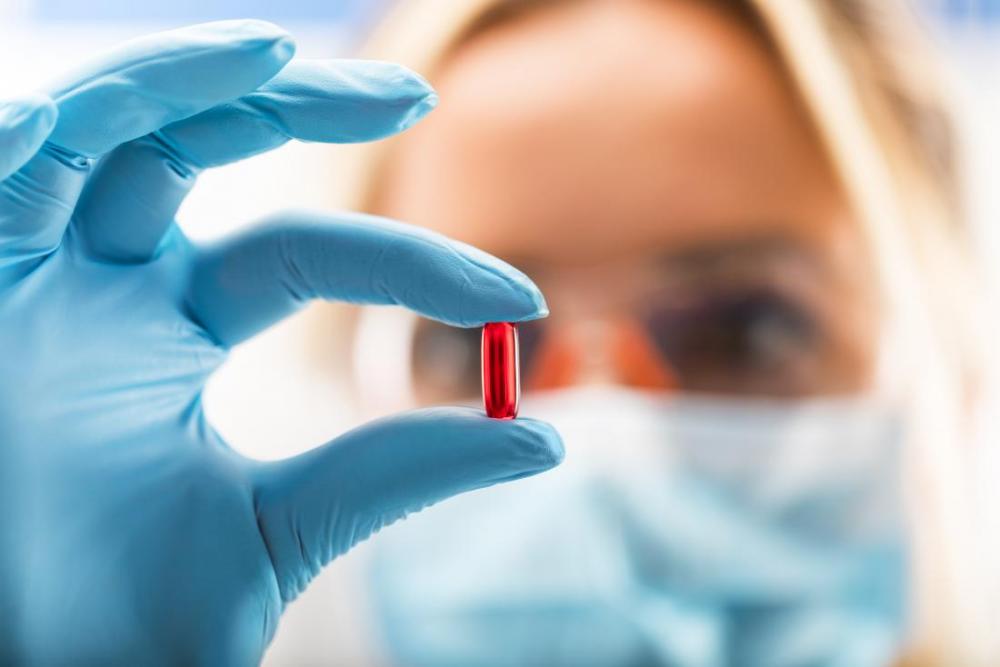
Experiments with mice showed that the treatment was much more effective than any other drug currently used against ependymoma.
Experiments with mice showed that the treatment was much more effective than any other drug currently used against ependymoma. (Photo internet reproduction)
One-stop reference
Company Intelligence
Every listed company in Latin America — financials, ownership and structure for 1,450+ companies across 26 exchanges, in one place.
Browse the directory →
RT
Ask Rio Times
This story and the bigger picture.
Open the full Ask Rio Times →

In-vitro and lab mice experiments have shown that an anticancer protein produced from the salivary glands of the star tick is effective in the treatment of ependymoma, a type of infant brain cancer that arises from the ependyma and afflicts central nervous system tissue.

Researchers at the Federal University of São Paulo (UNIFESP) and the Butantan Institute are seeking investments to provide the necessary infrastructure for the production of the drug that can be used in clinical trials with humans.

The anticancer properties of the gene-coded protein of the Amblyomma sculptum tick, the scientific name of the star-tick, were discovered in the 2000s and had been evidenced in aggressive tumors, such as pancreatic cancer and melanoma. “When we discovered this drug’s potential, we decided to investigate its actions against ependymoma,” said neurosurgeon Sérgio Cavalheiro, of Unifesp’s Paulista School of Medicine.

According to the doctor, ependymoma represents about ten percent of infant tumors of the central nervous system — and up to thirty percent of brain tumors in children up to the age of three. When this cancer affects the brain or cerebellum and the brainstem, “the situation is catastrophic,” said Cavalheiro.
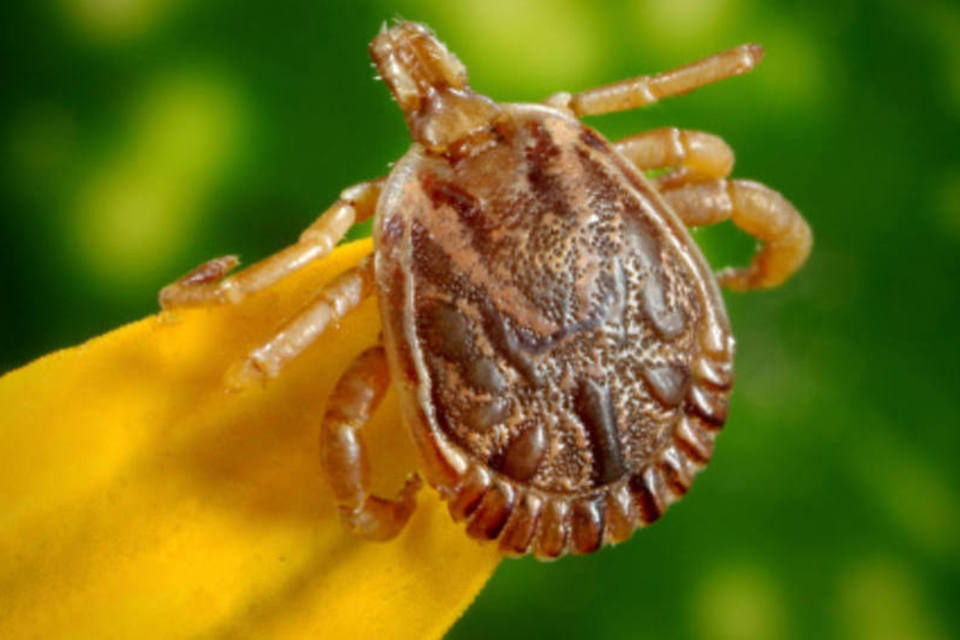
The anticancer properties of the gene-coded protein of the Amblyomma sculptum tick, the scientific name of the star tick, were discovered in the 2000s and had been evidenced in aggressive tumors, such as pancreatic cancer and melanoma.
The anticancer properties of the gene-coded protein of the Amblyomma sculptum tick, the scientific name of the star tick, were discovered in the 2000s and had been evidenced in aggressive tumors, such as pancreatic cancer and melanoma. (Photo internet reproduction)

The neurosurgeon emphasizes that the alternative is surgical, combined with radiotherapy and chemotherapy. Even so, the operation may leave neurological sequelae and will not save the patient. “We are always on the lookout for a drug to prevent recurrences,” he explains.

Experiments with mice showed that the treatment was much more effective than any other drug currently used against ependymoma. With the existing drugs, it is possible to inhibit the viability of tumor cells by approximately thirty percent. The new substance, named Amblyomin-X, in turn, achieved seventy percent.

Researchers have developed a protocol that guarantees production in scale sufficient to make the substance available for clinical trials. Submitting a report to the National Health Surveillance Agency (ANVISA) requesting analysis of the results obtained so far, requires proof of production of the Amblyomin-X molecule under good manufacturing practice conditions, ensuring industrial scale, maintenance conditions, and formula stability.

“It hasn’t been done until today because we still have no infrastructure to produce the recombinant protein (…). This infrastructure is not even available at the company we are partnering with”, explained Ana Marisa Chudzinski-Tavassi, coordinator of the Center of Excellence for the Discovery of Molecular Targets, at the Butantan Institute.

This article was produced by The Rio Times’ automated newsroom system. How we use AI · Report an error

Read More from The Rio Times

The Rio Times · Power Map
See who really holds power in Latin America
Click to open the Power Map

Rotate for Best Experience

This report is optimized for landscape viewing. Rotate your phone for the full experience.