IBOV 171,031.73 ▲ 1.85% IPSA 11,338.38 ▲ 0.89% IPC MEX 65,729.18 ▲ 2.14% MERVAL 2,913,184 ▲ 1.30% COLCAP 2,459.23 ▲ 0.61% BVL PERÚ 58,698.13 ▲ 2.60% USD/BRL5.14▼ 0.14% USD/MXN16.95▲ 0.30% USD/CLP914.28— 0.00% USD/COP3,038▼ 1.18% USD/PEN3.35▼ 0.06% USD/ARS1,499▲ 0.12% USD/UYU40.20▲ 1.58% USD/PYG5,996▲ 1.55% USD/BOB11.43▲ 0.41% USD/DOP58.82▲ 0.20% USD/CRC450.05▲ 3.34% USD/GTQ7.62▲ 2.21% USD/HNL26.81▲ 0.31% USD/NIO36.62▲ 0.61% USD/VES778.00▼ 0.13% USD/PAB1.00— 0.00% USD/BZD2.00— 0.00% USD/JMD 157.28 — 0.00% USD/TTD6.71▲ 0.79% EUR/BRL6.00▼ 0.64% BRENT 88.88 ▼ 0.03% WTI 83.11 ▼ 0.11% IRON ORE 161.91 — — COPPER 6.61 ▲ 0.03% GOLD 4,461 ▲ 1.78% SILVER 65.59 ▲ 1.26% SOY 1,184 ▲ 3.20% CORN 480.50 ▲ 10.02% WHEAT 655.00 ▲ 3.93% COFFEE 317.25 ▼ 5.51% SUGAR 16.43 ▼ 1.79% ORANGE JUICE 138.55 ▼ 0.47% COTTON 85.03 ▲ 2.33% COCOA 5,719 ▲ 3.18% BEEF 223.60 ▼ 3.93% CATTLE 339.10 ▼ 3.16% LITHIUM 75.20 ▲ 1.47% PETR4 41.64 ▼ 0.05% VALE3 72.97 ▲ 0.83% ITUB4 38.60 ▼ 1.03% BBDC4 16.85 ▲ 0.36% ABEV3 14.89 ▼ 0.80% BBAS3 19.37 ▲ 0.47% B3SA3 14.26 ▼ 0.21% WEGE3 47.59 ▲ 0.49% PRIO3 59.14 ▼ 0.19% SUZB3 41.33 ▲ 2.35% RENT3 34.68 ▼ 0.09% AZZA3 15.89 ▼ 2.63% CSAN3 3.22 ▼ 1.83% RAIZ4 0.25 — 0.00% PCAR3 2.75 ▼ 0.36% GMAT3 3.65 ▼ 1.08% PSSA3 48.13 ▼ 0.54% CVCB3 1.33 ▼ 2.92% POSI3 3.36 ▲ 2.44% SLCE3 13.34 ▲ 0.30% NATU3 8.14 ▼ 0.73% IBOV 171,031.73 ▲ 1.85% IPSA 11,338.38 ▲ 0.89% IPC MEX 65,729.18 ▲ 2.14% MERVAL 2,913,184 ▲ 1.30% COLCAP 2,459.23 ▲ 0.61% BVL PERÚ 58,698.13 ▲ 2.60% USD/BRL 5.16 ▲ 0.01% USD/MXN 17.06 ▼ 0.24% USD/CLP 913.98 ▲ 0.04% USD/COP 3,140 ▲ 0.03% USD/PEN 3.36 ▼ 0.66% USD/ARS 1,493 ▲ 0.10% USD/UYU 40.27 ▲ 1.24% USD/PYG 5,939 ▲ 1.68% USD/BOB 11.64 ▼ 0.76% USD/DOP 58.34 ▲ 1.25% USD/CRC 445.92 ▲ 0.89% USD/GTQ 7.62 ▲ 2.21% USD/HNL 26.79 ▲ 1.57% USD/NIO 36.62 ▲ 0.69% USD/VES 762.44 ▼ 0.13% USD/PAB 1.00 — 0.00% USD/BZD 2.00 — 0.00% USD/JMD 157.28 — 0.00% USD/TTD 6.70 ▲ 0.61% EUR/BRL 5.95 ▲ 1.01% BRENT 88.88 ▼ 0.03% WTI 83.11 ▼ 0.11% IRON ORE 161.91 — — COPPER 6.61 ▲ 0.03% GOLD 4,461 ▲ 1.78% SILVER 65.59 ▲ 1.26% SOY 1,184 ▲ 3.20% CORN 480.50 ▲ 10.02% WHEAT 655.00 ▲ 3.93% COFFEE 317.25 ▼ 5.51% SUGAR 16.43 ▼ 1.79% ORANGE JUICE 138.55 ▼ 0.47% COTTON 85.03 ▲ 2.33% COCOA 5,719 ▲ 3.18% BEEF 223.60 ▼ 3.93% CATTLE 339.10 ▼ 3.16% LITHIUM 75.20 ▲ 1.47% PETR4 41.64 ▼ 0.05% VALE3 72.97 ▲ 0.83% ITUB4 38.60 ▼ 1.03% BBDC4 16.85 ▲ 0.36% ABEV3 14.89 ▼ 0.80% BBAS3 19.37 ▲ 0.47% B3SA3 14.26 ▼ 0.21% WEGE3 47.59 ▲ 0.49% PRIO3 59.14 ▼ 0.19% SUZB3 41.33 ▲ 2.35% RENT3 34.68 ▼ 0.09% AZZA3 15.89 ▼ 2.63% CSAN3 3.22 ▼ 1.83% RAIZ4 0.25 — 0.00% PCAR3 2.75 ▼ 0.36% GMAT3 3.65 ▼ 1.08% PSSA3 48.13 ▼ 0.54% CVCB3 1.33 ▼ 2.92% POSI3 3.36 ▲ 2.44% SLCE3 13.34 ▲ 0.30% NATU3 8.14 ▼ 0.73%
since 2009
Sunday, August 23, 2026

Brazil C.H. Gardiner

Politicians Aim to Weaken Brazil’s Proposed Anti-Crime Legislation

By · June 24, 2019 · 3 min read

Daily Brief

The morning intel from across Latin America. Free.

By subscribing you agree to our privacy policy. We never share your email.

Column By C.H. Gardiner

RIO DE JANEIRO, BRAZIL – A package of anti-crime laws proposed by the Jair Bolsonaro administration is facing significant changes by Brazil’s Chamber of Deputies.

Lawmakers have said that there “is no climate” for some of the more severe changes proposed by the administration. This follows revelations by The Intercept that the bill’s chief architect, Justice Minister Sérgio Moro, failed to be impartial in his treatment of former Brazilian President Luiz Inácio Lula da Silva.

Judge Sergio Moro during testimony on the Comission for Penal Code Reform (Photo: Wikipedia commons)
Judge Sérgio Moro during testimony on the Commission for Penal Code Reform (Photo: Wikipedia Commons)
One-stop reference
Company Intelligence
Every listed company in Latin America — financials, ownership and structure for 1,450+ companies across 26 exchanges, in one place.
Browse the directory →
RT
Ask Rio Times
This story and the bigger picture.
Open the full Ask Rio Times →

The bill aims to give authorities greater powers in investigations, including cases of corruption, and to streamline the process through which investigators can share evidence.

It would also simplify the process governing cases involving politicians who are protected by “foro privilegiado” – whereby sitting governmental figures can only be prosecuted and have their cases heard by the Federal Supreme Court.

Corruption is a significant issue in Brazil, and the Bolsonaro government was elected on the promise that it would work to clean up the government. One of the goals of the anti-crime package is to act as the mechanism through which corrupt politicians could be targeted.

Moro gained a significant reputation as an anti-crime crusader during his time as a judge before becoming Bolsonaro’s Minister of Justice. Moro was responsible for the prosecution of a variety of politicians, with the 12-year sentence imposed on former president Lula having the highest profile.

Since taking on the role of Minister of Justice, Moro’s image has been tarnished by the revelations made by The Intercept, based on text logs between Moro and Operation Car Wash lead prosecutor Deltan Dallagnol. The messages indicate that Moro allegedly interfered in the investigation by giving advice and direction to prosecutors, thereby stepping outside of his role as an impartial judge.

Critics of the Minister have also pointed out his failure to take a firm stance on the alleged involvement of president Bolsonaro’s son in an alleged graft scheme, as well as Moro’s change in position regarding illegal campaign contributions when political allies admitted committing the crime.
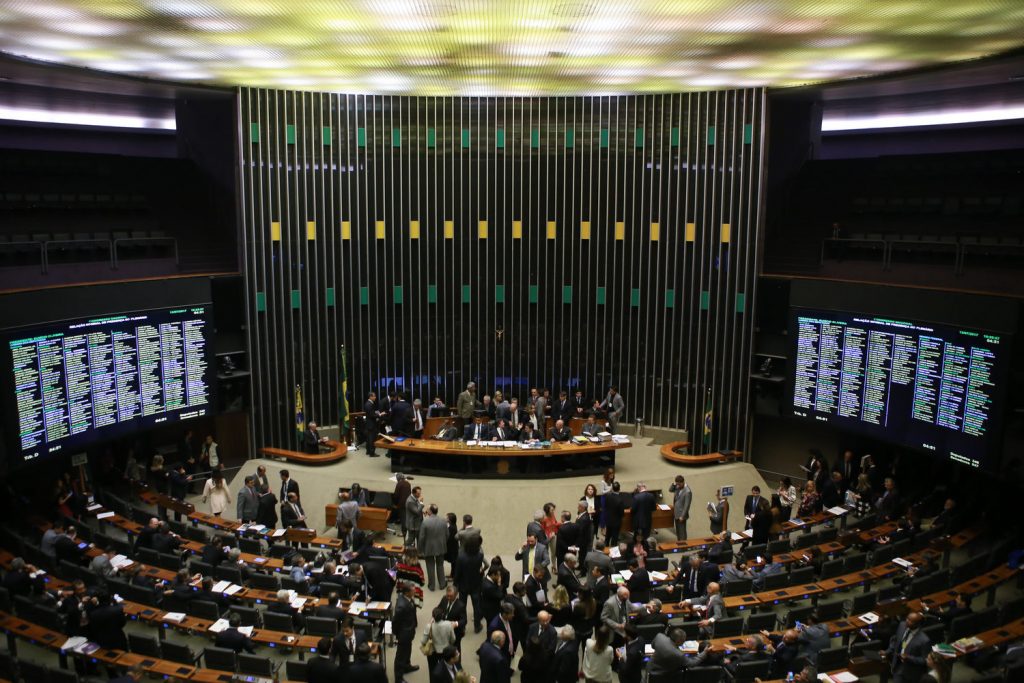
Brazil’s chamber of Deputies (Photo: PMDB National)
Brazil’s Chamber of Deputies (Photo: PMDB National)

Politicians who oppose the anti-crime package have capitalized on these alleged errors on the part of Moro to significantly weaken the bill, cutting provisions that would put place further powers in the hands of investigators. These politicians say that the measures must be curtailed to protect the due process of those accused.

The anti-crime bill would change 13 areas of Brazil’s penal code. It would, among other measures, provide police with protection from prosecution in the event they kill in the line of duty, expand the situations in which DNA can be collected and tested, increase the penalties for a variety of crimes related to drug trafficking and corruption, and make it easier for police to tap phones and use undercover individuals to commit crimes.

Proponents of the bill say that they expect that the Chamber of Deputies will attempt to block as much as 20 percent of the proposed changes.

Read More from The Rio Times

The Rio Times · Power Map
See who really holds power in Latin America
Click to open the Power Map

Rotate for Best Experience

This report is optimized for landscape viewing. Rotate your phone for the full experience.