Amidst Cuts, Budget for 2020 Allocates R$4.7 Billion in Military Benefits
RIO DE JANEIRO, BRAZIL – In contrast to the general squeeze on public services, funding, and investments, the 2020 federal budget bill allocates R$4.7 billion (US$1.2 billion) to the payment of benefits for those with a military career.
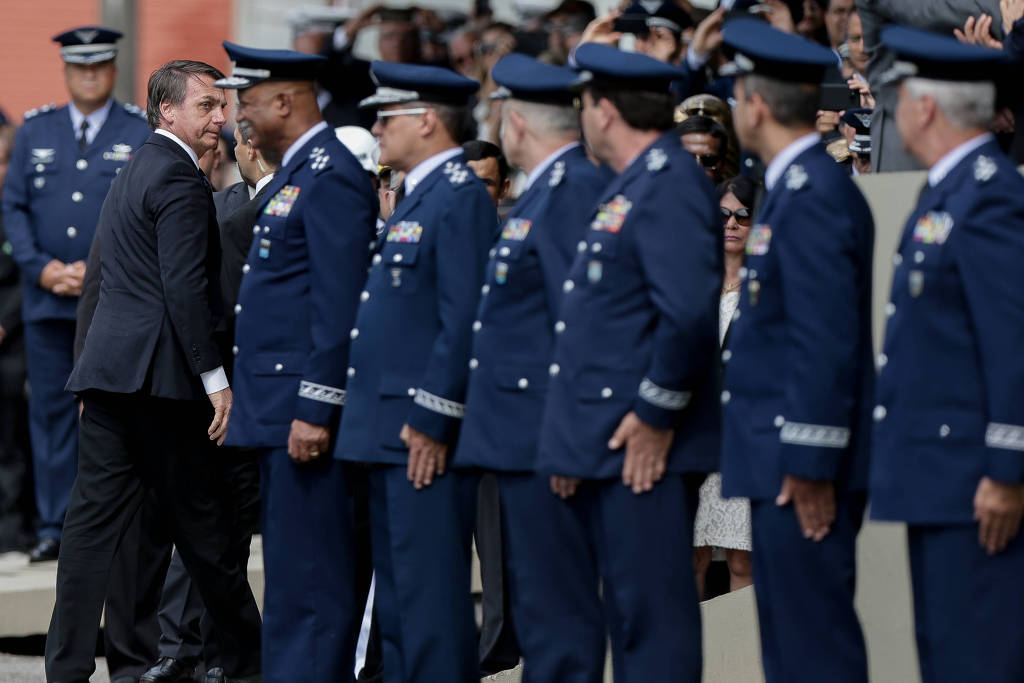
The amount – more than enough to replenish the funds for road works and CAPES‘ (Coordination for the Improvement of Higher Education Personnel) graduate school scholarships – compensates for the effects upon Arrmed Forces personnel introduced by the Social Welfare reform.
As a counterpart to the higher contribution and length of service requirements for pensions, Jair Bolsonaro’s government included in the text, which is being processed in the lower house, an immediate increase in armed forces salaries.
To this end, an increase in the additional qualification allowance – granted to military personnel undergoing qualification courses – and the introduction of an additional availability allowance are proposed.
The rationale, for the project’s advocates, is the professionals’ exclusive dedication and permanent readiness. In addition, the allowance for those going into the reserve is doubled, from four to eight times the salary.
According to official calculations, the new rules for inactivity will provide savings of R$97 billion over a decade. On the other hand, career progression will cost almost R$87 billion in the same period.
In 2020, however, there is no positive balance: there is an estimated deficit of R$43.5 billion in the military pension plan, only R$2.5 billion below this year’s projections.
The Ministry of Defense is the one spending the most on active and inactive personnel – in 2019, disbursements of R$81.1 billion have been authorized.
The figures for 2020 are not yet clear, as most rely on special authorization from Congress – as a result of the current failure to comply with the constitutional rule that prevents incurring debt to pay for the administration’s daily commitments.
However, the additional expenditure on the armed forces’ career members is included in an annex on hiring charges and salary adjustments.
This is a rare occurrence in Bolsonaro’s first budget project, involving an increase in expenditure at the federal government’s initiative.
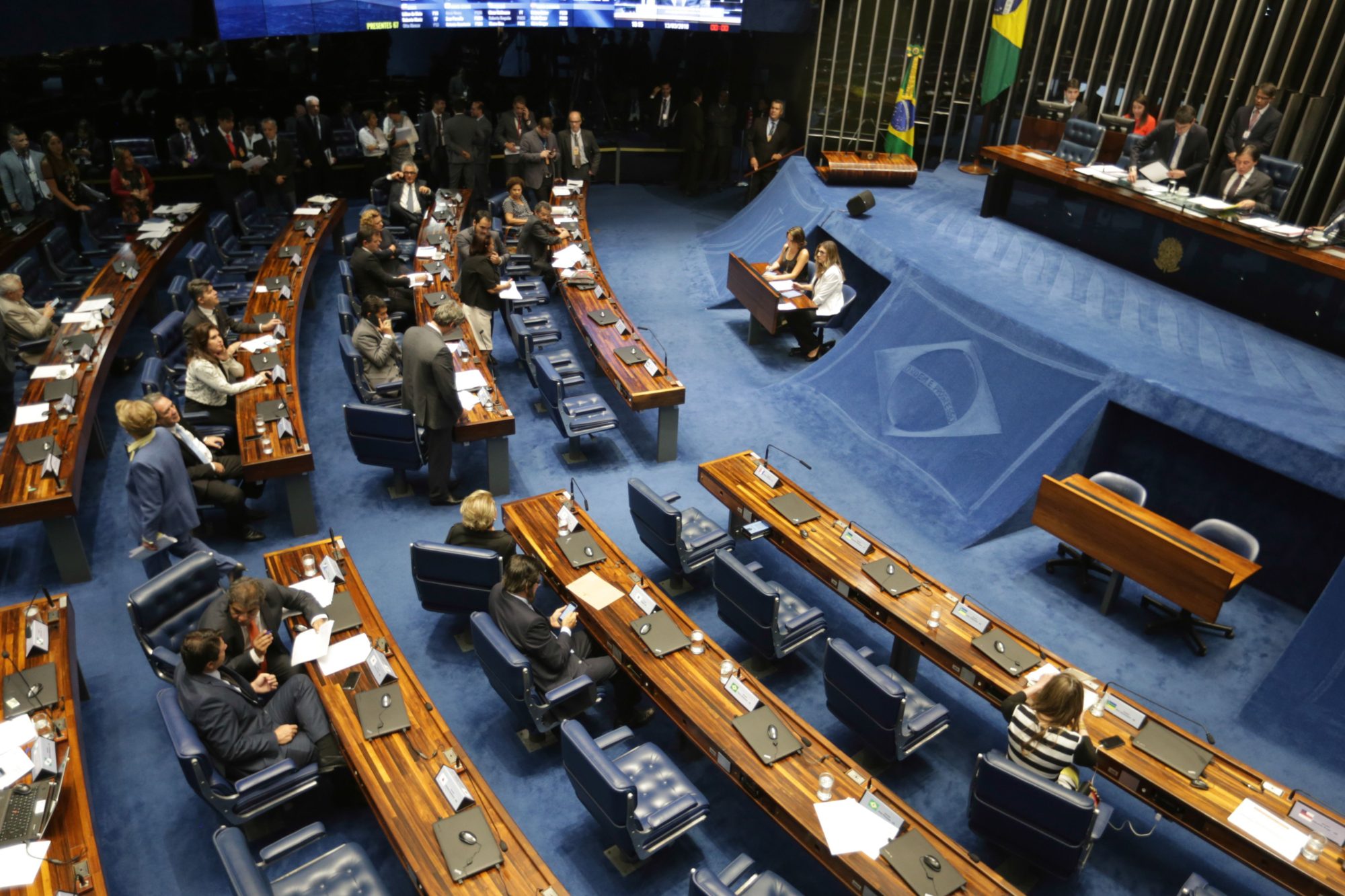
Large items, such as Social Welfare and assistance programs, are allocated more funds through legal requirements.
The INSS (National Institute of Social Welfare) benefits, in the most important illustration, rise from R$631 billion to R$683 billion, with no increase in the minimum wage above inflation.
As there is a ceiling for total spending enshrined in the Constitution by a 2016 Amendment, the government is forced to shrink non-compulsory activities and programs – an effect that tends to become more visible each year.
The most common victims are public works and other investments, which have been in decline since Dilma Rousseff’s second term began.
In 2020, these projects will receive R$19.5 billion, the equivalent of 0.26 percent of Gross Domestic Product. To sustain the level reached by 2014, close to one percent of GDP, R$75 billion would be required.
The decrease in investment affects, in particular, the DNIT agency, in charge of federal highways. The Army, Navy and Air Force also account for a significant reduction in resources.
The squeeze also affects costs, a category that encompasses activities as diverse as the maintenance of the administrative machine -lighting, cleaning, security – and scholarships.
CAPES is affected by one of the most significant cuts in the area, with non-compulsory execution funds dropping from R$4.1 billion to R$2.1 billion next year.
As in the case of contingencies on universities, the repercussion is amplified by the tensions between the scholarship program and the education and science sectors.
Source: Folha de S.Paulo
More: Brazil news in English, every day from The Rio Times.
This article was produced by The Rio Times’ automated newsroom system. How we use AI · Report an error · Editorial responsibility: Matthias Camenzind, Editor-in-Chief